Designing for Well-Being: Integrating WELL Principles into Multi-Family Communities

As expectations for residential living continue to evolve, multi-family housing is no longer just about providing shelter; it’s about creating environments that actively support residents’ health, comfort, and well-being. At Penney Design Group, we approach multi-family design through this broader lens, integrating strategies aligned with the International WELL Building Institute’s WELL Building Standard to enhance the everyday experience of the people who live, work, and gather in these spaces.

While not every project pursues formal WELL certification, many of its core principles are deeply embedded in our design process. From material selection to amenity programming, our goal is to create communities that feel as good as they look.

What is WELL Design?

The WELL Building Standard is a performance-based system focused on human health and wellness within the built environment. It emphasizes key categories such as air, water, nourishment, light, movement, thermal comfort, sound, materials, mind, and community.

In multi-family housing, these principles translate into thoughtful decisions that support both physical and mental well-being, from improved indoor air quality to spaces that foster connection and relaxation.

Designing for Healthier Living Environments

Air, Materials, and Indoor Quality

A foundational aspect of WELL design is ensuring that interior environments promote clean, healthy air. In our multi-family projects, this often includes:

  • Selecting low-VOC paints, adhesives, and finishes
  • Prioritizing durable, non-toxic materials
  • Designing layouts that support proper ventilation and airflow

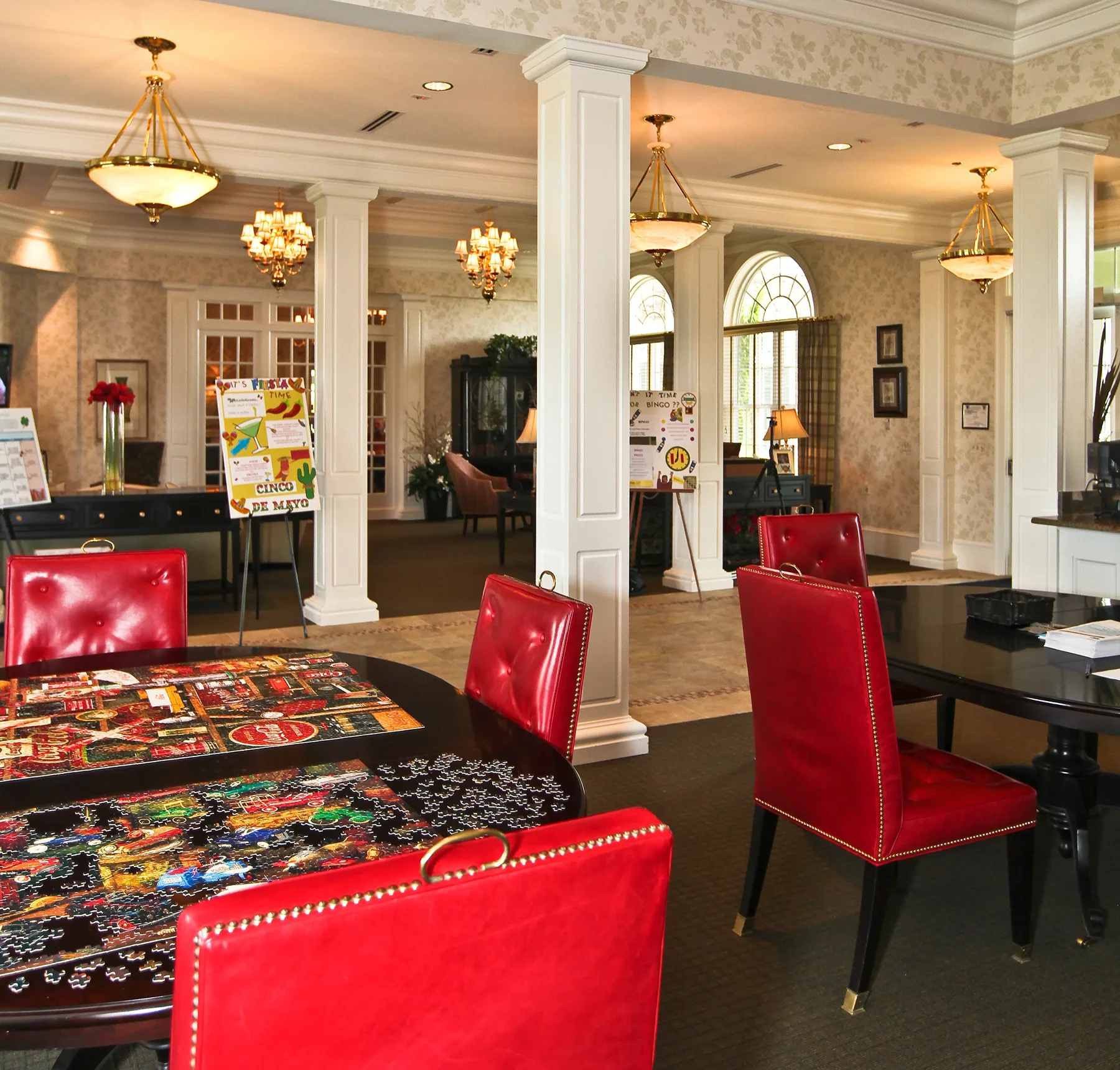
Projects like Tapestry Annapolis and The Sheffield at Englewood South reflect this approach through carefully curated finish palettes that balance aesthetics with environmental responsibility.

lennar annapolis 1

Light, Comfort, and Sensory Experience

Access to natural light and a comfortable indoor environment plays a significant role in resident well-being. We incorporate:

  • Maximized daylighting in common areas and units
  • Layered lighting strategies to support different uses and times of day
  • Thoughtful acoustic considerations to reduce noise and enhance privacy

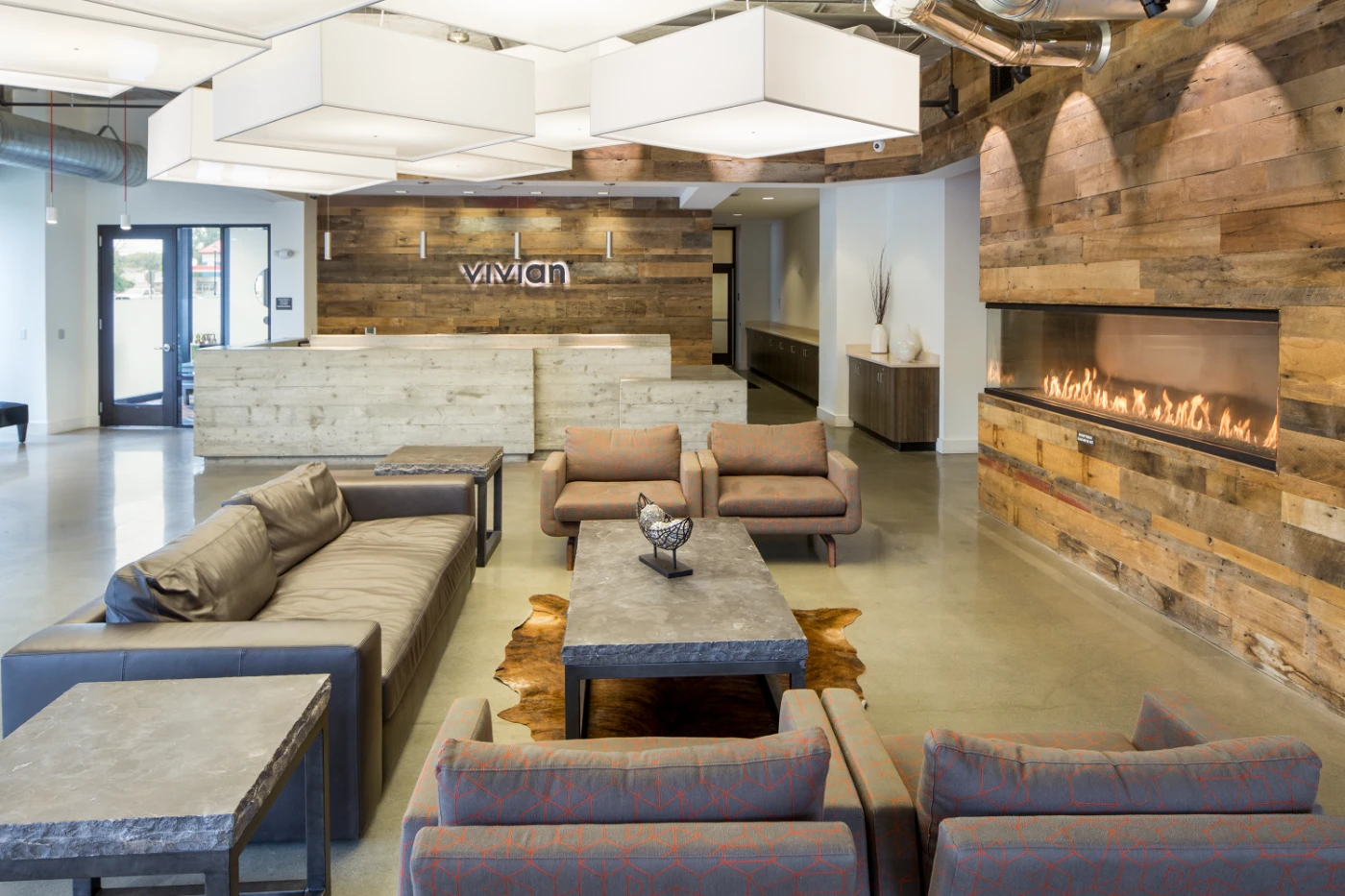
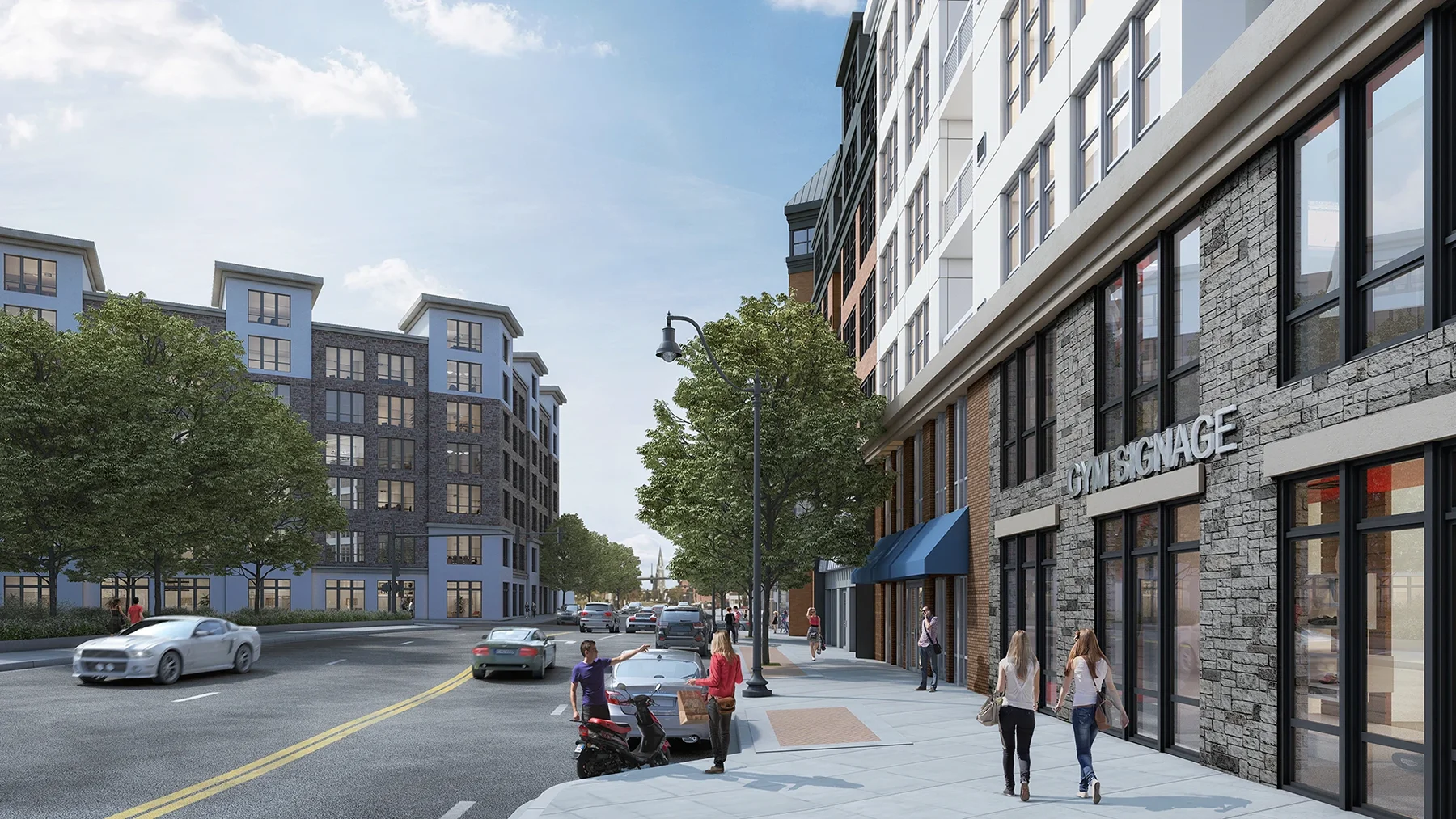
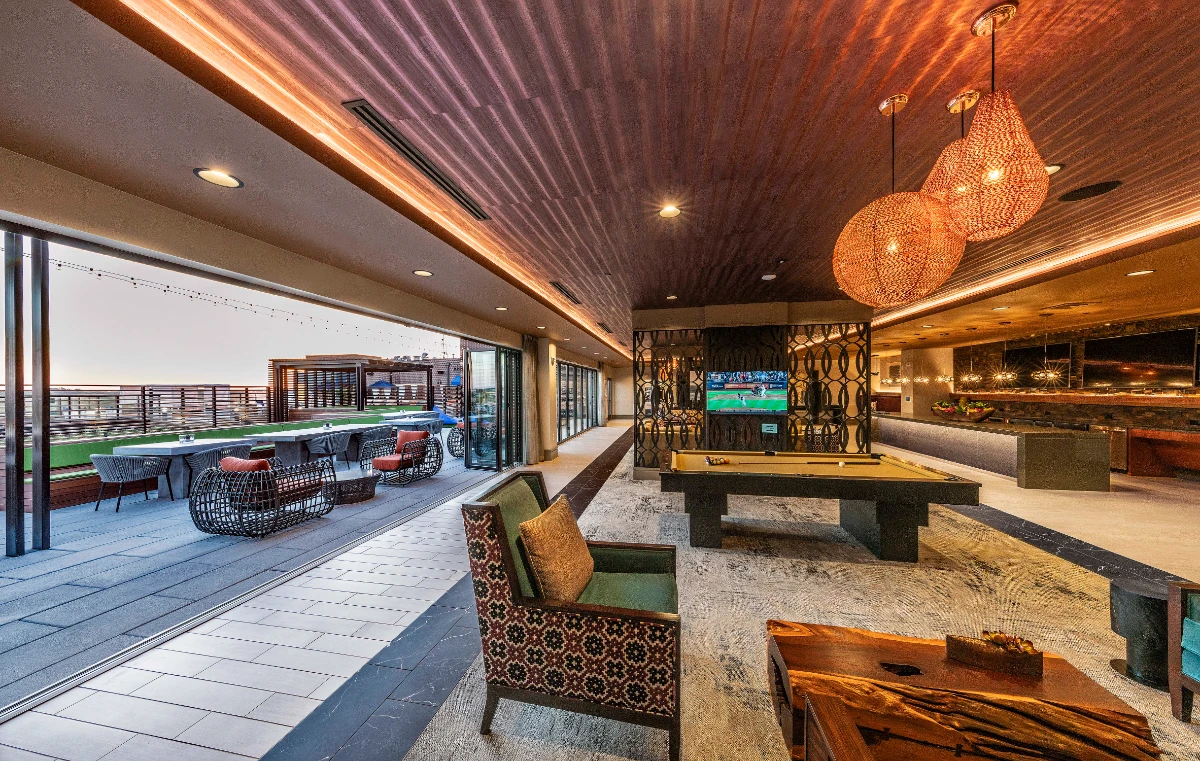
At The Mark and Vivian Apartment Building, amenity spaces are designed to feel bright, open, and calming, encouraging residents to spend time outside of their units in shared environments.


the vivian apartments, 75 sterling blvd., englewood, nj

The Vivian Apartments, 75 Sterling Blvd., Englewood, NJ

Movement and Active Living

Encouraging movement is another key pillar of WELL. In multi-family settings, this goes beyond fitness centers to include:

  • Inviting stair design and circulation paths
  • Walkable site planning and connections to outdoor spaces
  • Amenity programming that promotes active lifestyles

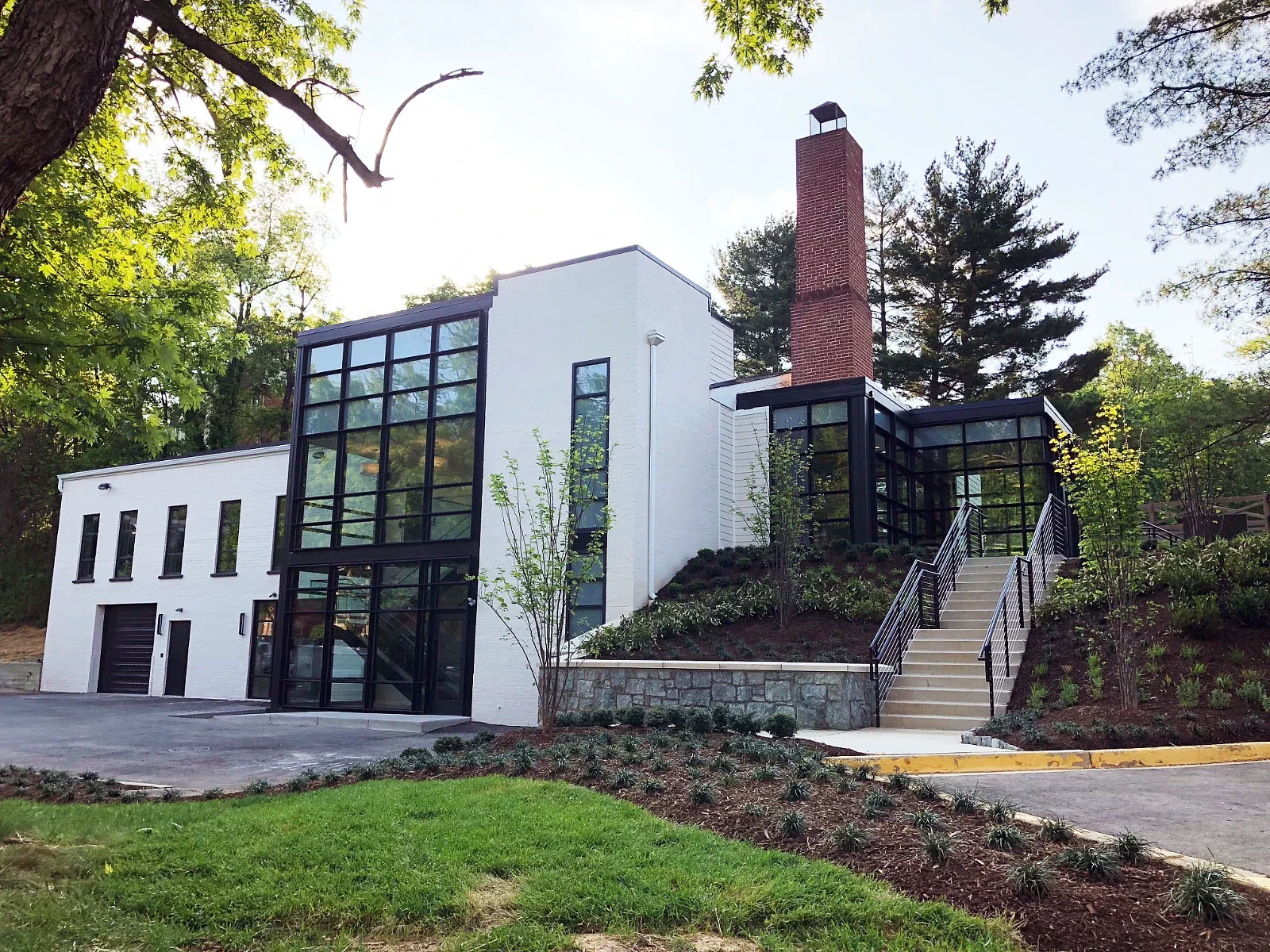
Community-focused projects such as Potomac Green Clubhouse and Spring Hill Community Center emphasize movement through flexible, activity-driven spaces that support both structured and informal use.

potomac green

Community and Social Connection

A strong sense of community is essential to overall well-being. Our designs prioritize:

  • Welcoming, multi-functional gathering spaces
  • Indoor-outdoor connections that bring residents together
  • Flexible layouts that accommodate events, co-working, and social interaction

At projects like Pinnacle at Waypointe and Norwalk Retail, mixed-use environments create opportunities for connection not just within residential buildings, but across the broader neighborhood.

pinnacle

Mental Wellness and Sense of Place

Beyond physical health, WELL design also addresses emotional and psychological well-being. This is reflected in:

  • Calming, cohesive material palettes
  • Biophilic elements and connections to nature
  • Spaces that feel intuitive, comfortable, and human-scaled

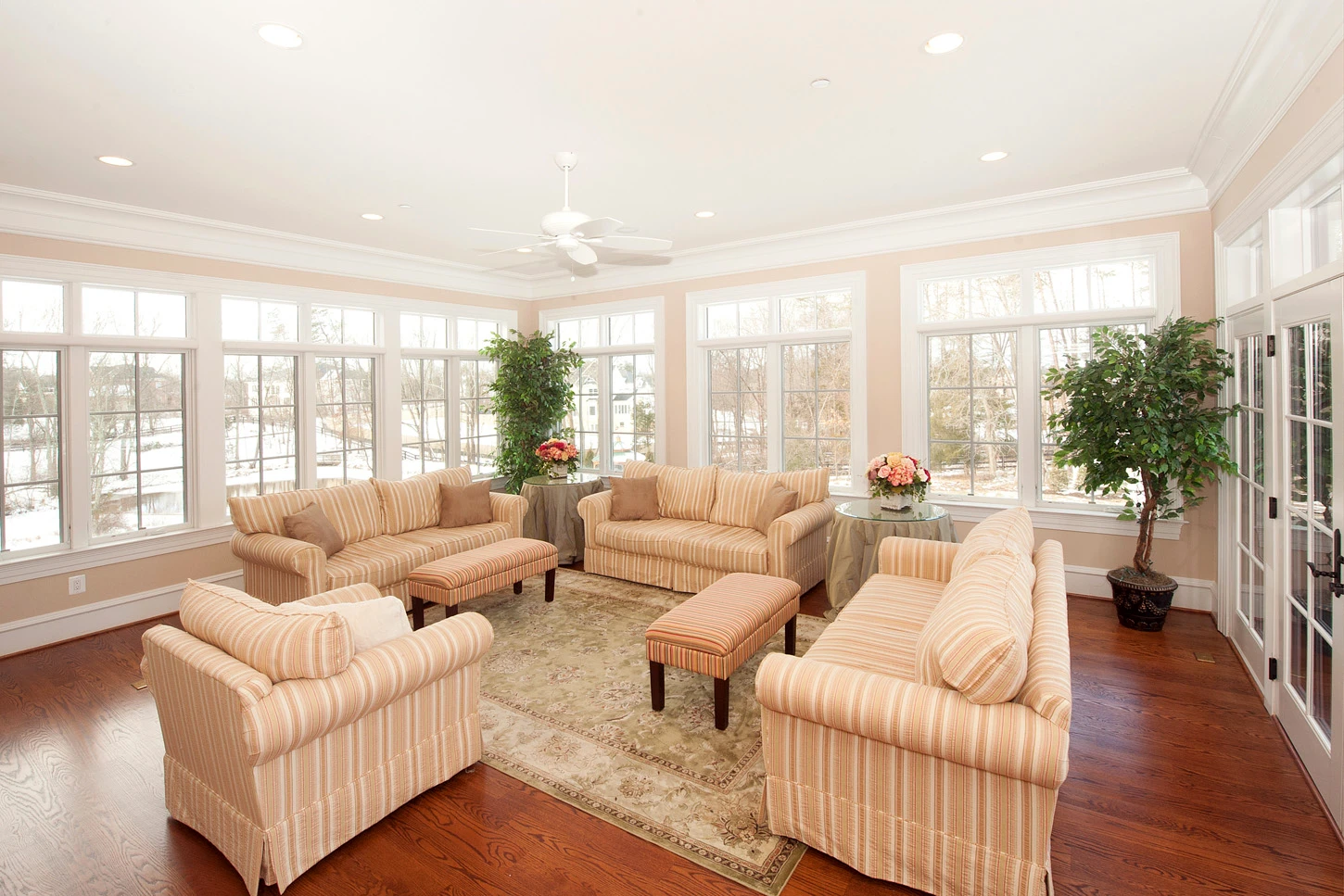
From leasing environments like Foxchase Leasing Center to residential communities such as Burke Shire Commons, Bent Tree, Shenandoah Crossing, and Windsor Park, our work focuses on creating spaces that feel grounded, welcoming, and restorative.

foxchase

A Holistic Approach to Multi-Family Design

At Penney Design Group, integrating WELL principles is not about checking boxes; it’s about designing with intention. Whether it’s a clubhouse, leasing center, mixed-use development, or full residential community, we aim to elevate the resident experience through thoughtful, human-centered design.

Projects like Parc Reston Community Center and Sagebrush Treatment Center further demonstrate how these strategies can be adapted across a range of program types, reinforcing our commitment to wellness-driven environments.

corporate photography, political photography, pr photography

Corporate Photography, Political Photography, PR Photography

Looking Ahead

As the industry continues to shift toward health-conscious design, WELL principles will play an increasingly important role in shaping multi-family housing. At PDG, we are excited to continue evolving our approach; creating spaces that not only meet the needs of today’s residents but also support their well-being for years to come.

lennar annapolis 2


From Sketch to Space: Why Design Starts by Hand

Before a project becomes a set of construction drawings, a rendering, or a polished presentation, it begins somewhere quieter: on trace paper.

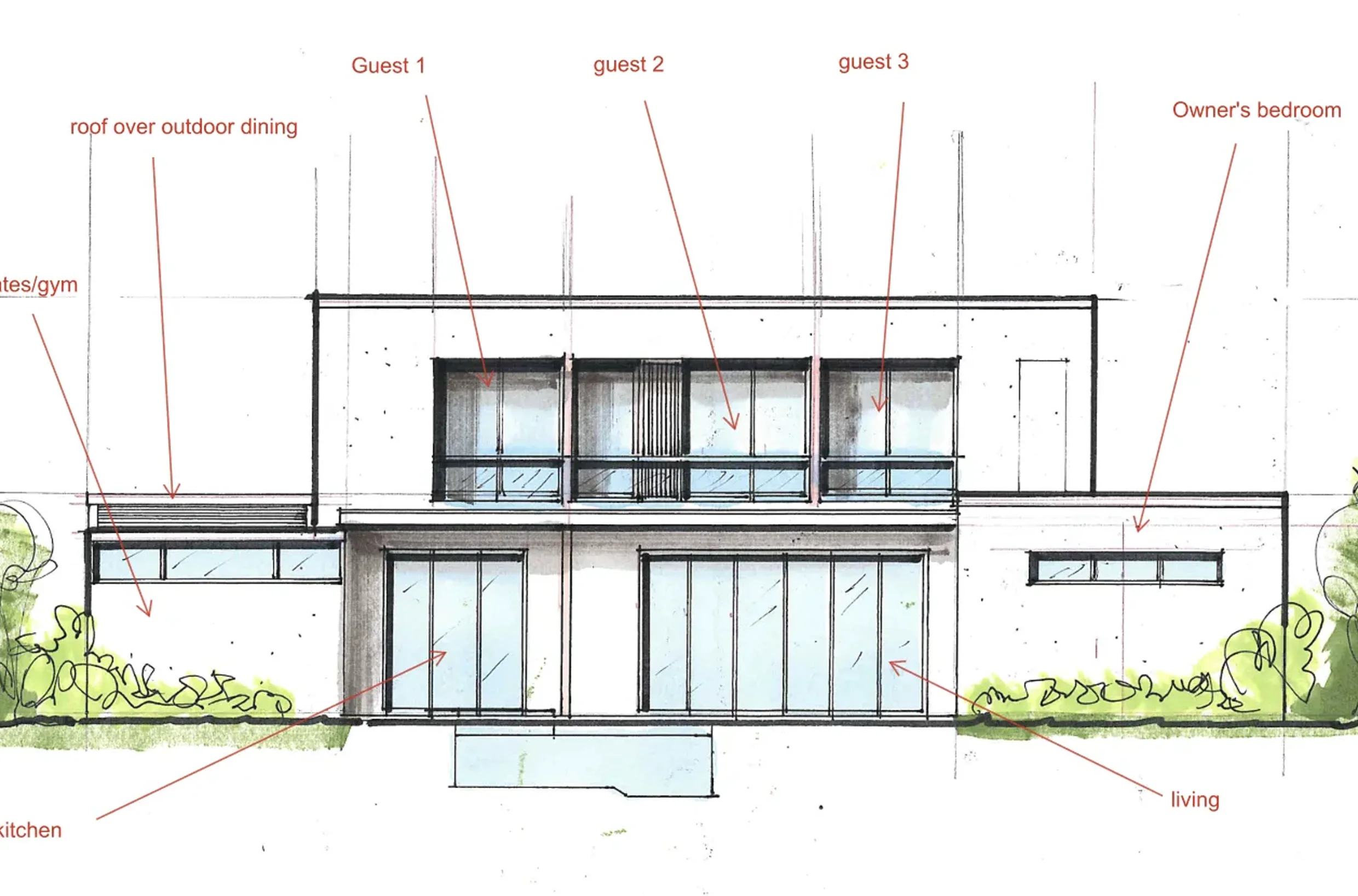
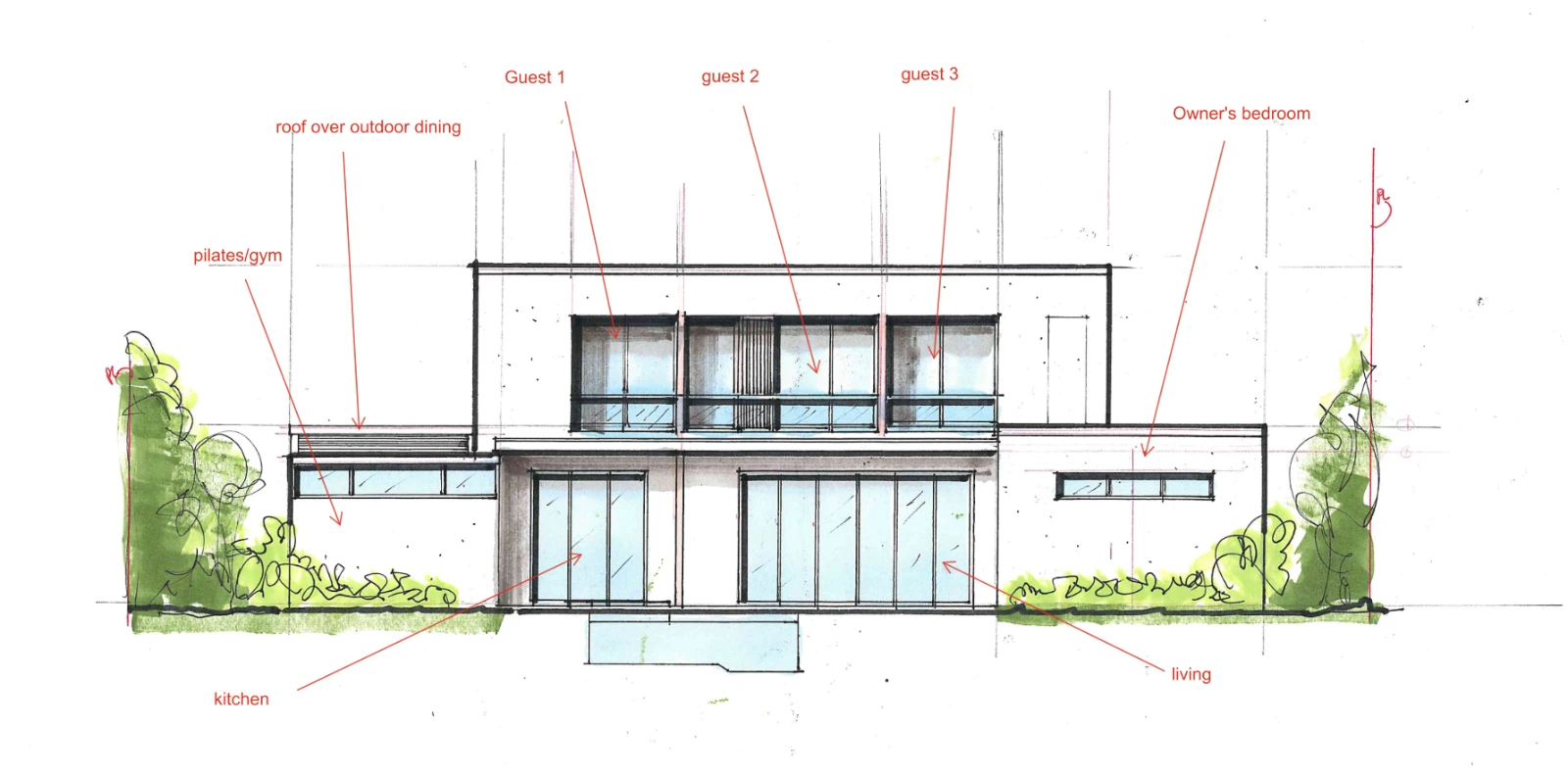
nas rear elevation 4.4.25

At Penney Design Group, sketching is not nostalgia or decoration; it is a critical design tool. Hand drawing allows architects to think freely, test ideas quickly, and explore relationships that are difficult to discover when starting directly in software. Good buildings and interiors do not begin as construction documents: they begin as conversations between hand, eye, and imagination.

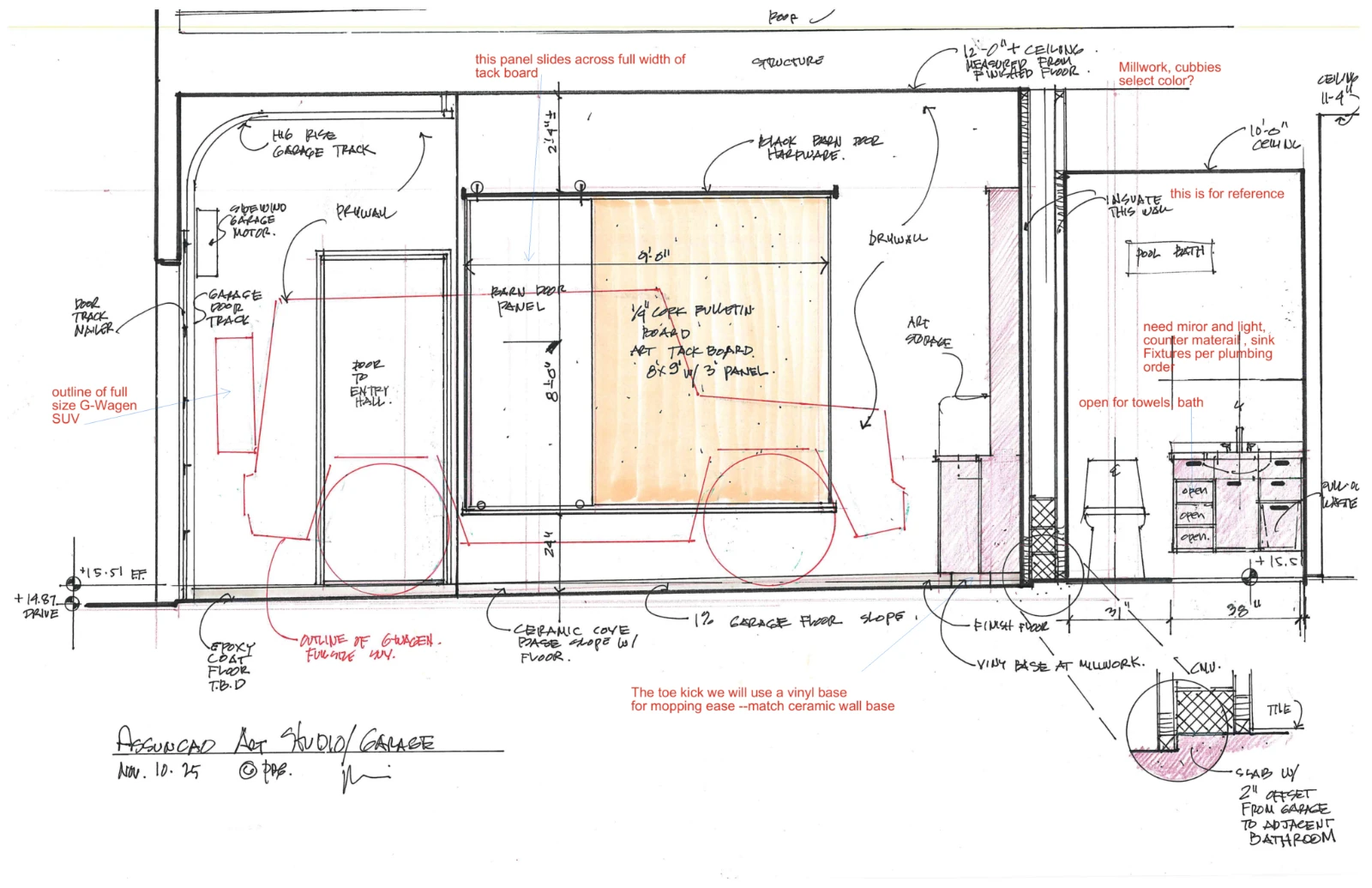
The early sketches for the NAR art studio illustrate this perfectly. The drawings are not about perfection; they are about discovery. In these studies, the design team works through circulation, storage, sightlines, and daily use long before anything is locked into CAD. Elements like sliding panels, millwork organization, and flexible work zones emerge through sketching as designers ask: How will this space actually function?

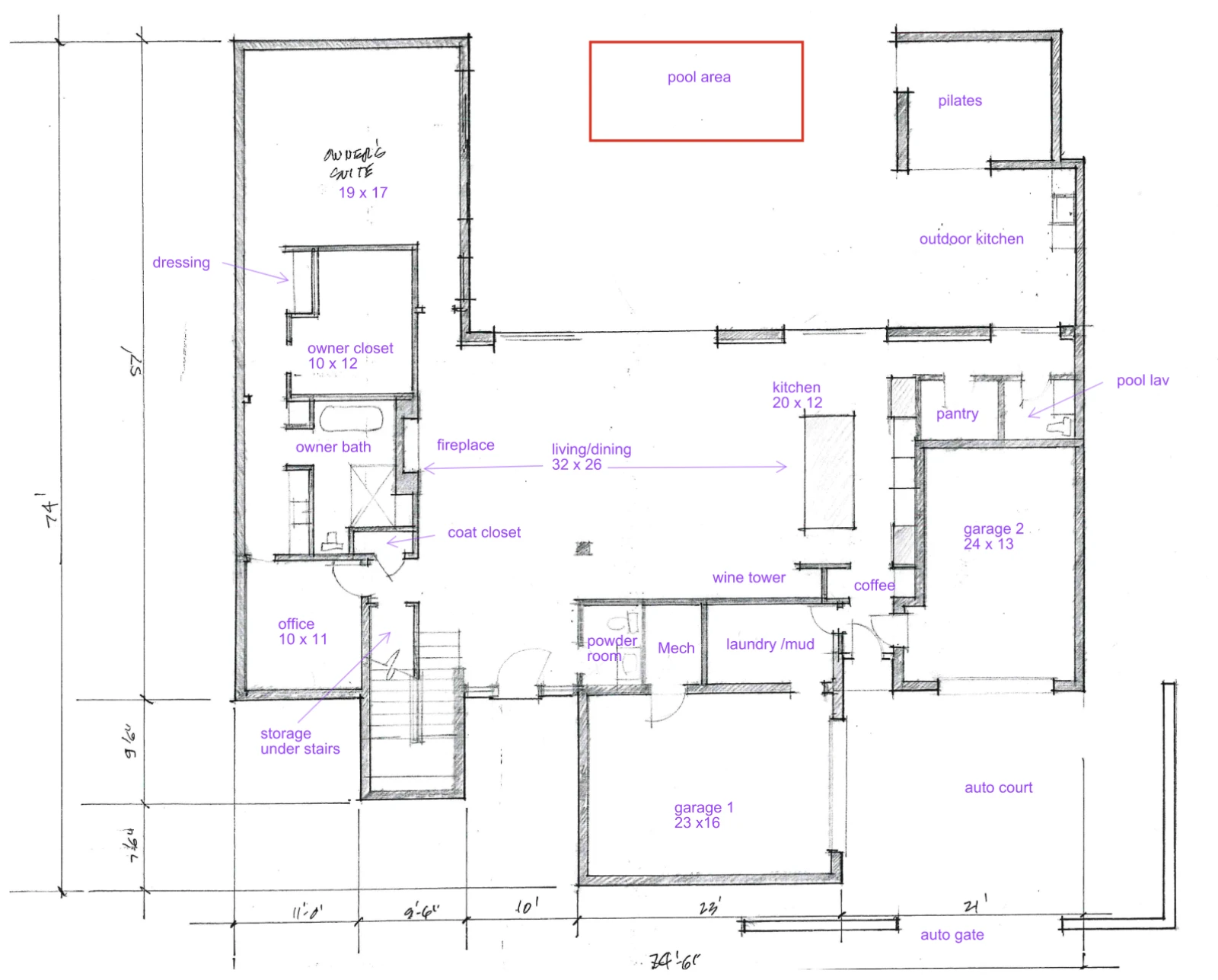
nas concept floor plans pomelo ave. 4.2.25 page 001

Sketching as Problem-Solving

Freehand drawings are less about drafting and more about thinking. They allow designers to test spatial relationships, adjacencies, proportions, and ergonomics in real time. When working by hand, architects can shift elements, exaggerate ideas, or layer multiple options on a single sheet without the friction of software constraints.

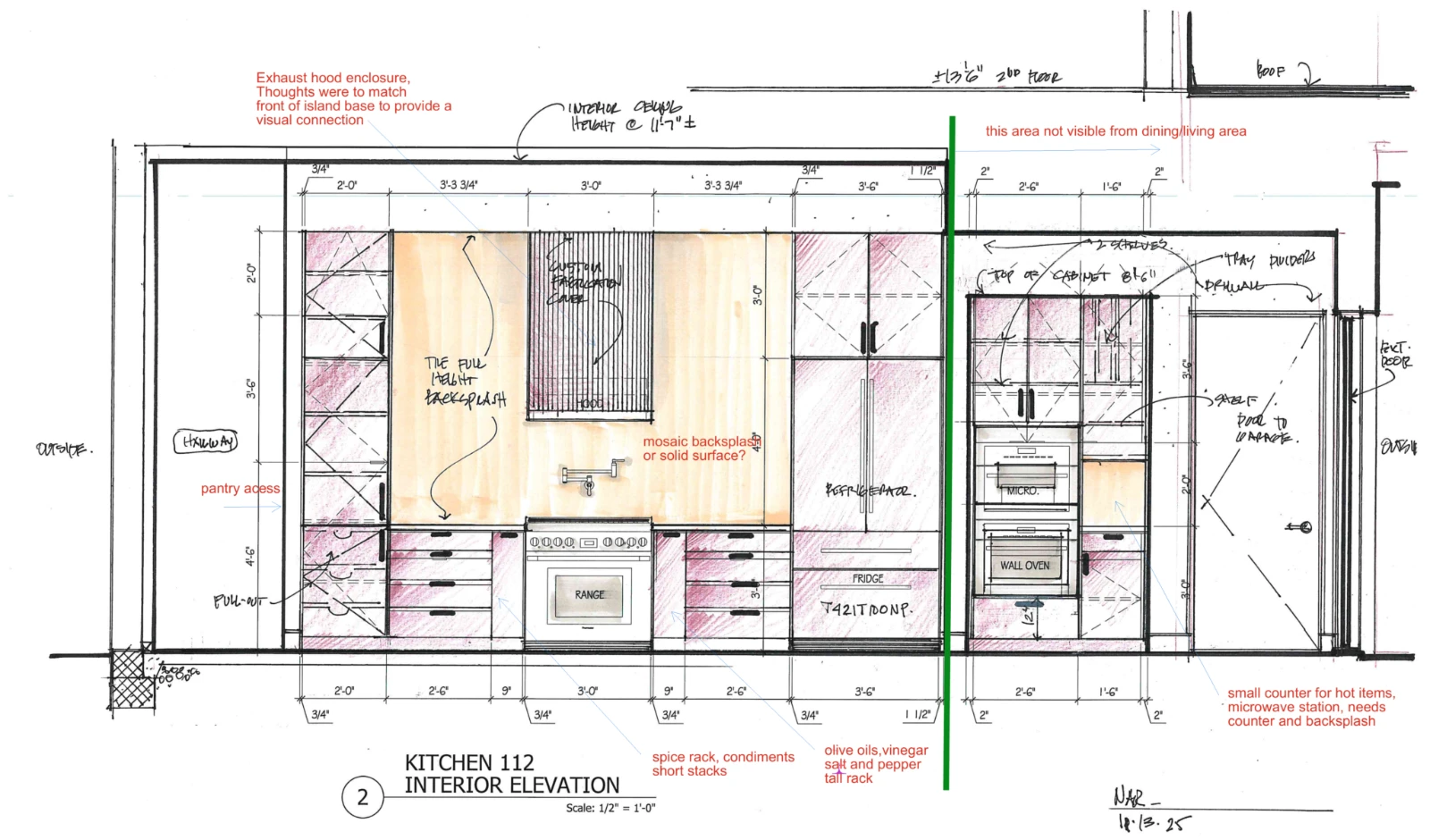
In the NAR kitchen studies, for example, early sketches explore how a back wall should operate visually and functionally. Decisions about pantry access, appliance placement, and material continuity are explored simultaneously. The exhaust hood enclosure is intentionally aligned with the island face to create visual cohesion; an idea that emerges clearly in sketch form before it becomes a precise digital detail.

NAR kitchen backwall

These drawings capture design intent: balance, hierarchy, and rhythm. They communicate the why behind the layout, not just the dimensions.

nar art studio 11.12.25 page1 2048x1325

Details Are Designed, Not Assembled

Hand drafting is equally important at the detail scale. Cabinetry reveals, toe kicks, backsplash transitions, and panel systems are not arbitrary; they are designed relationships between materials.

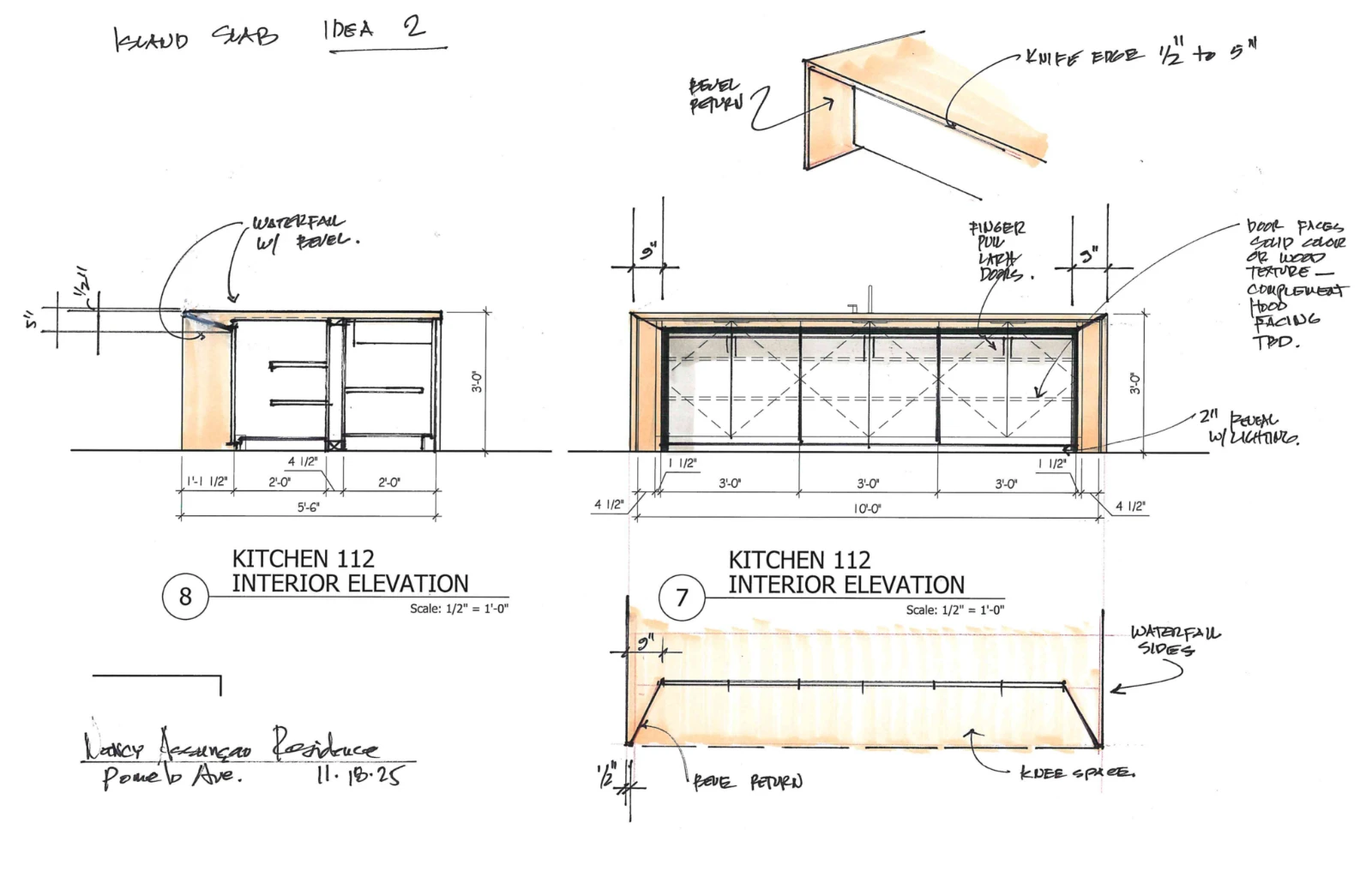
The island elevation studies show how even a single millwork element benefits from early exploration. Edge profiles, waterfall conditions, and alignment of drawers and panels are worked out through quick, iterative sketches. By resolving these ideas early, the design team understands how materials meet and terminate before translating the concept into formal construction details.

This process prevents the common mistake of assembling details reactively. Instead, every component is part of a deliberate visual language.

Early Sketching Reduces Downstream Revisions

Time invested in sketching saves time later. Working through layouts, storage logic, and user ergonomics by hand resolves many issues before they reach the construction document phase. When a design has been tested conceptually, the transition to AutoCAD and Revit becomes a process of documentation rather than discovery.

The result is clearer production drawings, fewer revisions during construction, and stronger coordination between disciplines. Sketching is not an extra step; it is a risk-reduction strategy.

nar kitchen backwall page1 2048x1203

A Tool for Collaboration

Hand sketches are also powerful communication tools. They are intuitive and accessible in a way that highly resolved digital drawings often are not. Clients, contractors, and consultants can read a sketch quickly and respond to the idea rather than getting distracted by finish-level precision.

Because sketches feel flexible, they invite conversation. They signal that the design is evolving and that feedback is welcome.

Not Everything Needs to Be Perfect

The value of a sketch lies in its openness. These drawings are working documents: places to test ideas, ask questions, and note assumptions. They allow architects to think without prematurely locking decisions into a rigid format.
Perfection comes later; exploration comes first.

nar kitchen island idea 11.20.25 page1 2048x1300

From Sketch to Construction

Hand sketches are not an alternative to construction drawings; they strengthen them.

In early design phases; freehand studies allow architects to test spatial flow, material relationships, and functional logic quickly. Once the design intent is clear, these ideas are translated into fully coordinated AutoCAD and Revit documents where dimensions are finalized, systems are aligned, and details are documented with the precision required for permitting and construction.

By investing in sketching upfront, the construction drawings that follow are more intentional, efficient, and coordinated; resulting in fewer revisions and a finished project that reflects the original design vision.


reROOT: PDG Team Explores Resilient Micro-Living in the MICROHOME 10 Competition

In October 2025, a team from Penney Design Group proudly entered the 10th Edition of the MICROHOME Architecture Competition, an international challenge celebrating small-scale architecture with a huge impact.

Hosted by Buildner in collaboration with Kingspan, this milestone edition invited architects and designers to rethink compact, sustainable housing. This year’s competition introduced an exciting opportunity: one winning design will be selected for construction by Hapi Homes, alongside a €15,000 prize awarded to its designer.

The challenge?
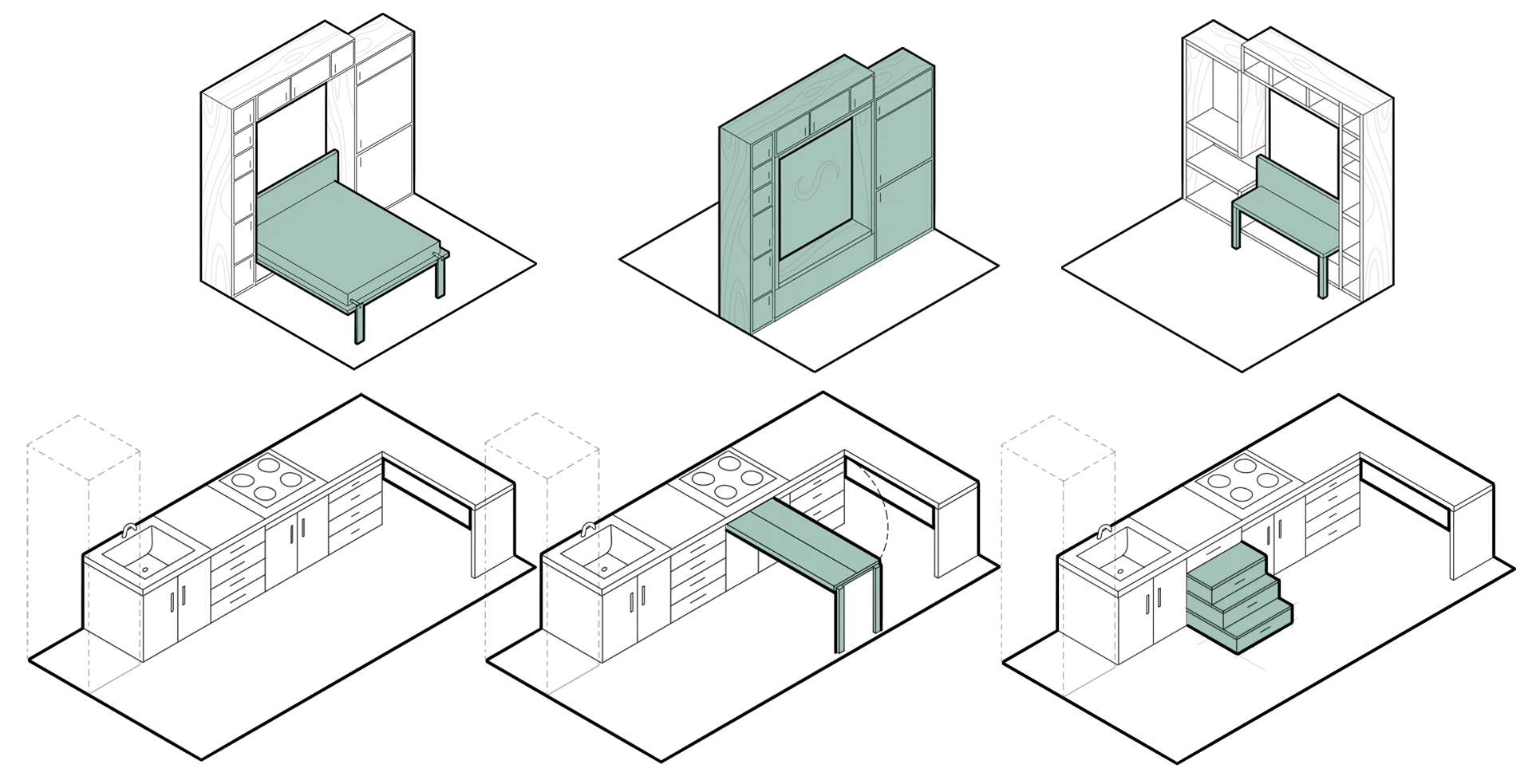
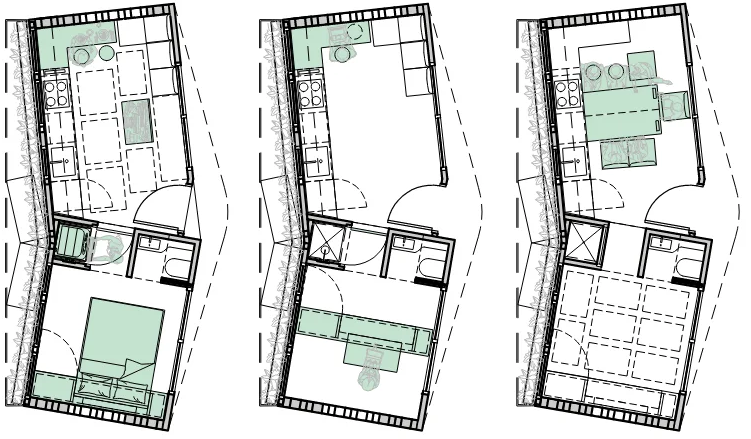
Design an off-grid modular dwelling under 269 sq.ft. for a young professional couple, redefining what compact, efficient, and sustainable living can look like.

Our team responded with a bold and meaningful proposal: reROOT.

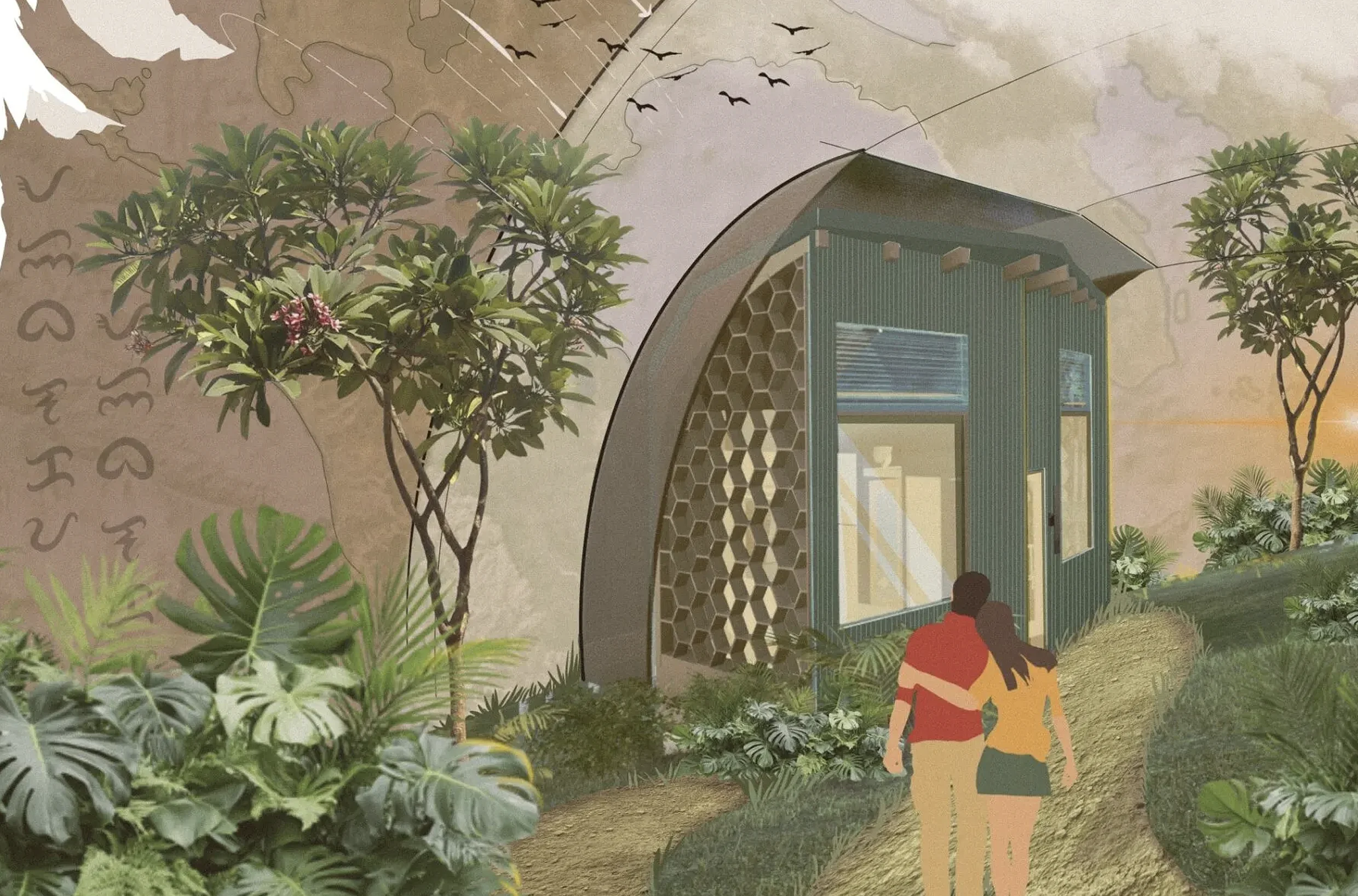
microhome cover render

reROOT: Rebuilding, Rerooting, Resilient Living

reROOT envisions a future where language, culture, and environment converge to shape disaster-resilient housing anchored to a tropical hillside.

As global temperatures rise and extreme weather events intensify, reROOT addresses a critical question:

How can we rebuild communities in ways that are stronger, more adaptive, and more joyful than before?

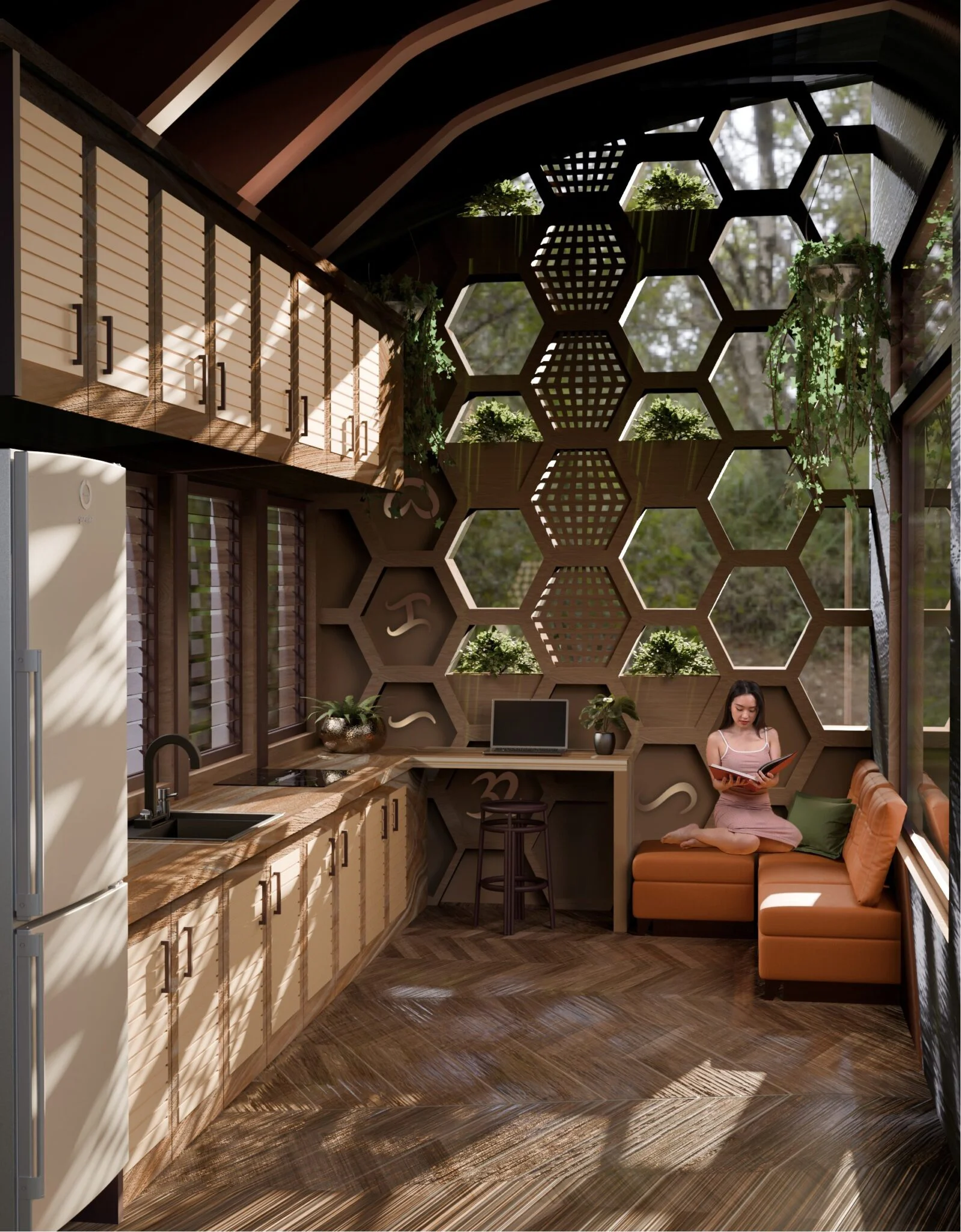
Rather than replicating structures lost to natural disasters, the proposal introduces a modular prototype designed to rebuild, reroot, and sustain. The architecture expresses protection, resilience, and endurance — marrying time-tested traditional wisdom with innovative contemporary strategies.

It is not just shelter.
It is the calm after the storm.

microhome kitchen render

Site Context: Tagaytay City, Cavite

The team selected Tagaytay City along the Tagaytay Ridge in the Philippines, a location defined by panoramic views of Taal Lake and Volcano.

Tagaytay embodies both beauty and vulnerability.

It’s hot, humid climate and elevated terrain make it one of Southern Luzon’s most desirable destinations. Yet it also faces significant risks from typhoons, seismic activity, and volcanic events. Rapid urban and tourism growth further underscores the need for adaptive, sustainable design.
For the PDG team, this setting became an opportunity:
to transform environmental risk into architectural innovation.

microhome diagram

Redefining Resilience

reROOT expands the meaning of resilience beyond resistance. It proposes architecture that adapts, evolves, and thrives within dynamic conditions.

Key Strategies

  • Passive Design
    Maximized natural ventilation, daylight access, and thermal comfort reduce energy demand in a hot, humid climate.
  • Water Systems
    Integrated rainwater harvesting and greywater reuse support off-grid functionality.
  • Local Materials
    Regionally sourced, low-carbon materials reduce environmental impact while honoring local craftsmanship.
  • Landscape Integration
    Native vegetation, green buffers, and contour-sensitive planning stabilize slopes and enhance biodiversity.
  • Structural Resilience
    Flexible systems designed to withstand seismic and wind loads, with elevated modular configurations adaptable to hazard conditions.
  • Community Spaces
    Multi-use areas that serve as both social hubs and safe zones during emergencies.
microhome floor plans with color 1

A Vision for Future Communities

The project envisions a community that mirrors Tagaytay’s essence — peaceful yet powerful, rooted in nature yet forward-looking.
Through careful site analysis and thoughtful architectural response, reROOT demonstrates that:

  • Safety and beauty can coexist.
  • Sustainability and comfort are not mutually exclusive.
  • Compact design can deliver expansive impact.

More than a competition entry, reROOT is a prototype for future communities facing increasingly frequent and intense climate events. It positions architecture as both protection and partnership with nature.

microhome pdf team

Celebrating Our Team

We are incredibly proud of our PDG team for their innovation, research, and dedication in developing this concept. Participating in MICROHOME 10 reflects our commitment to advancing sustainable, resilient design on a global stage.

Small footprint.
Big vision.
Lasting impact.

CLICK HERE to see the full presentation boards.

Select Auto Imports: How an Independent Used Car Dealer Competes with the Big Corporations

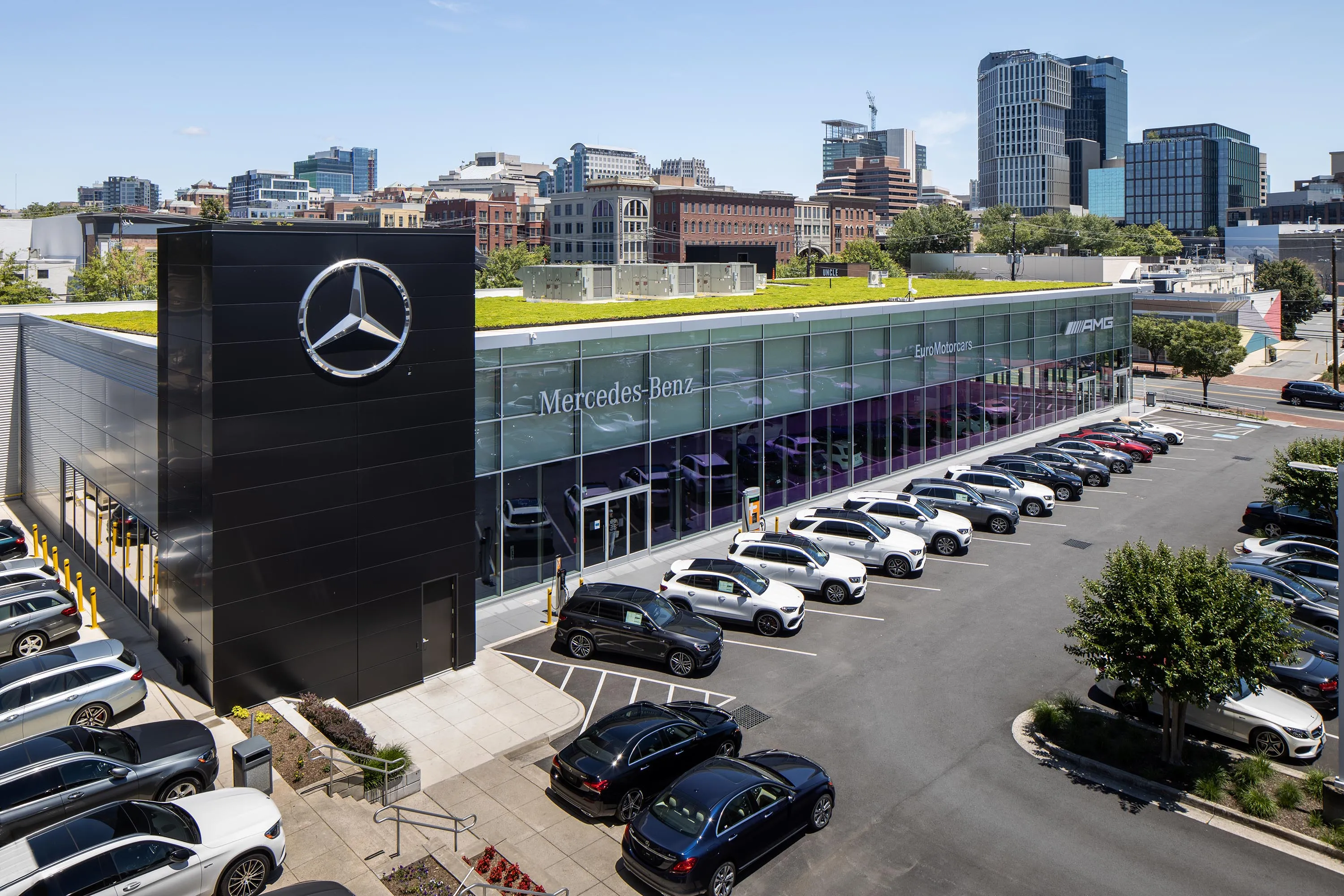
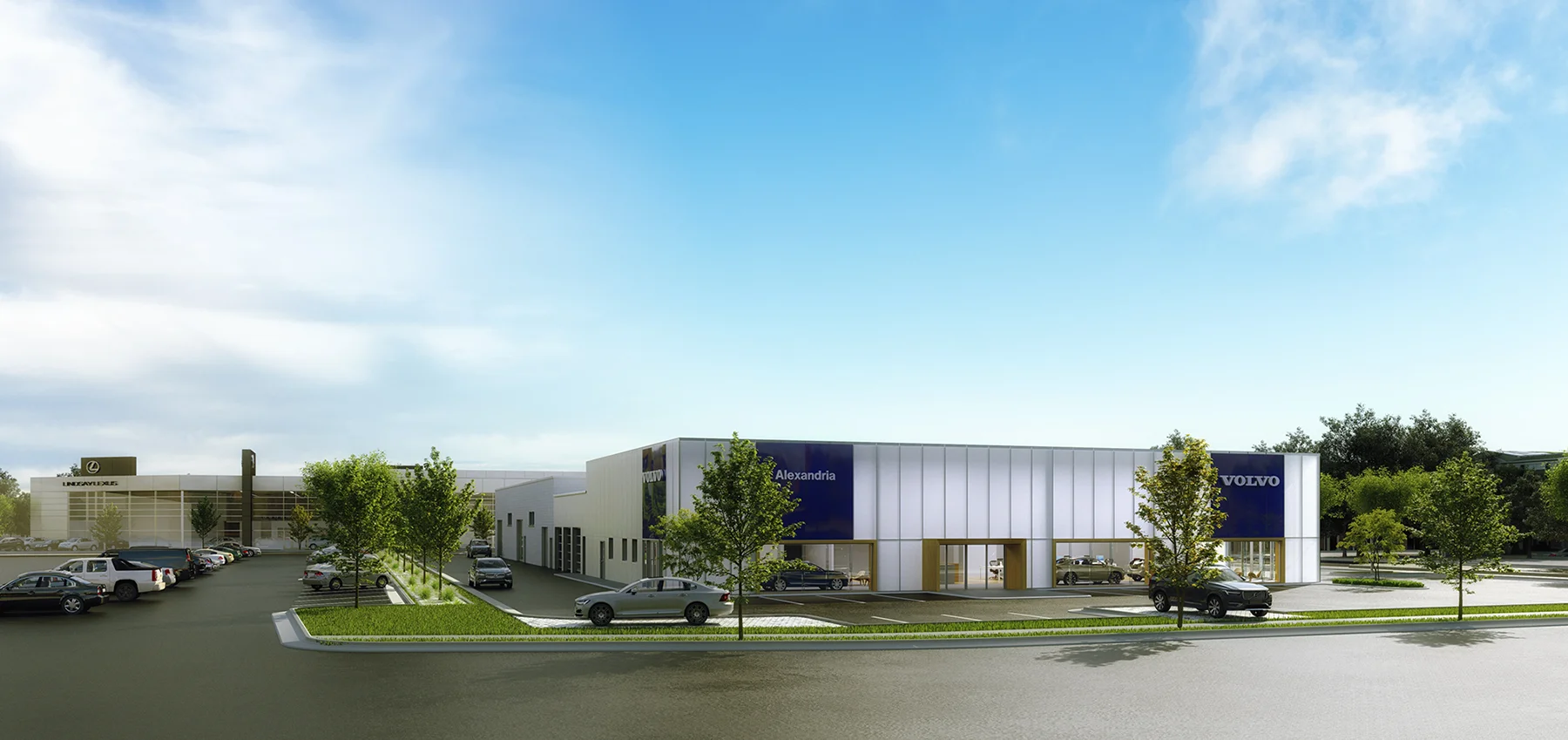
In a market dominated by large-scale auto dealership chains, standing out can be a major challenge for independent dealerships. At the same time, great architecture offers one of the most powerful ways to differentiate. That’s exactly what happened at Select Auto Imports in Alexandria, Virginia.

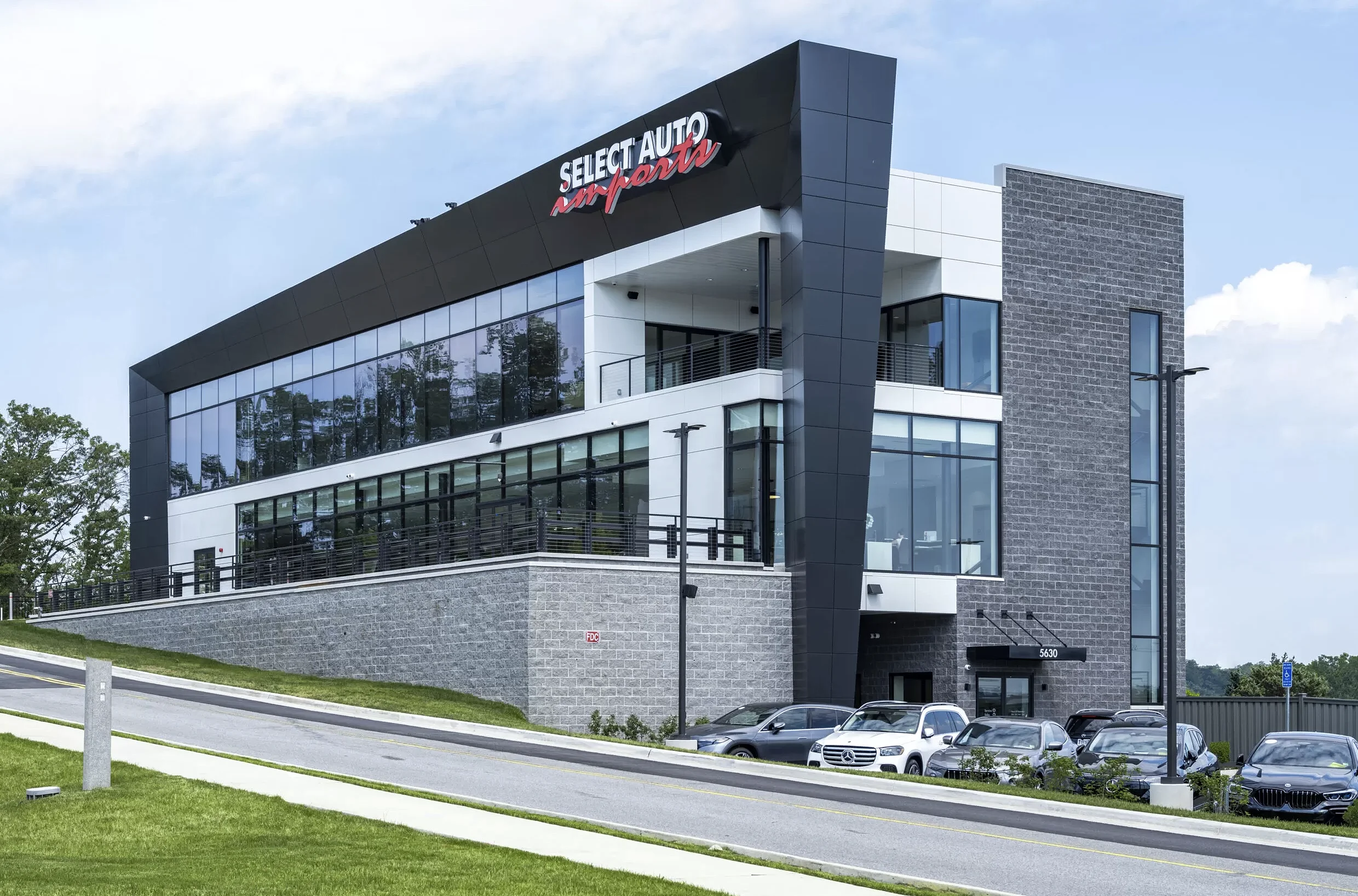
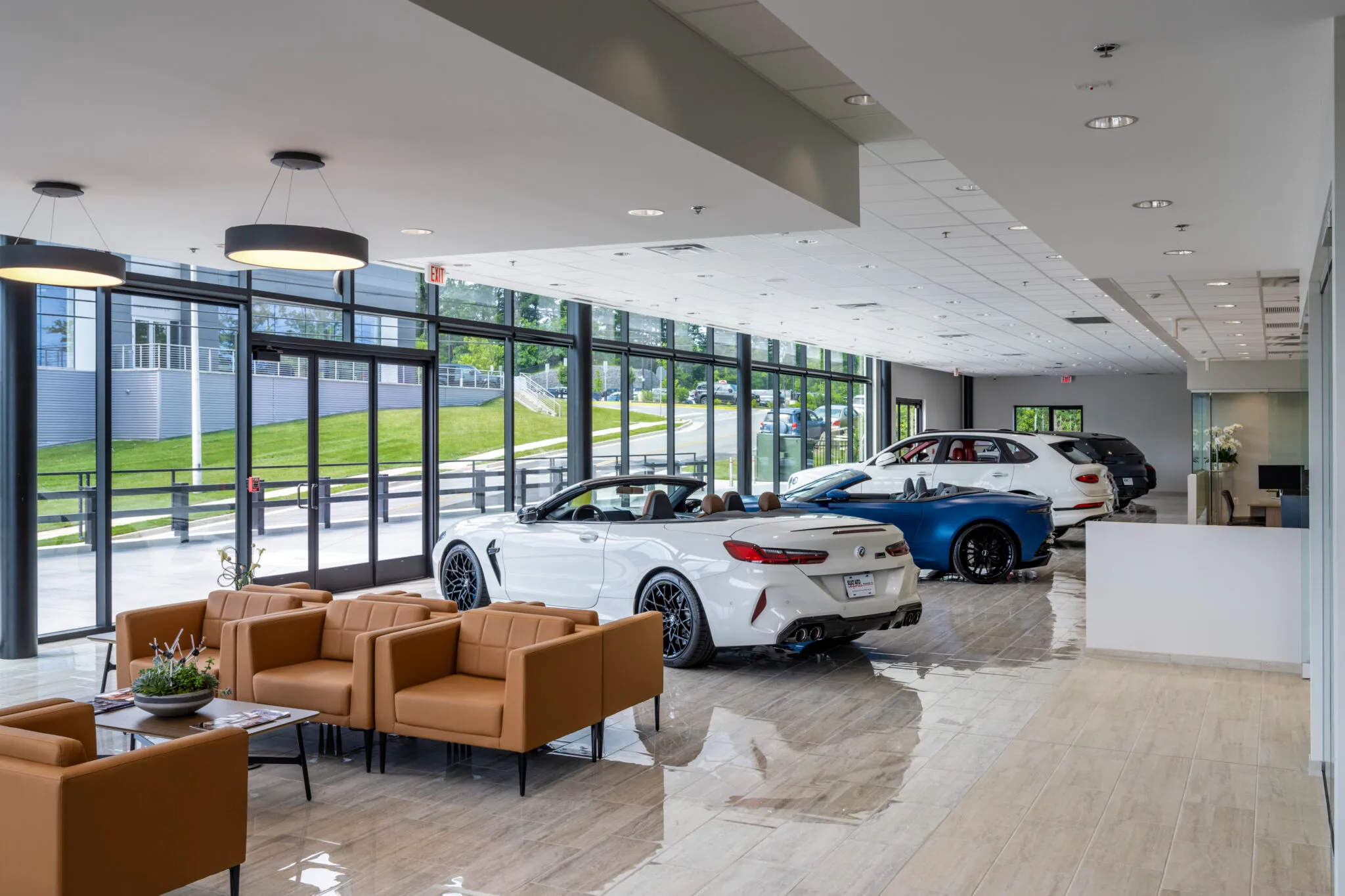
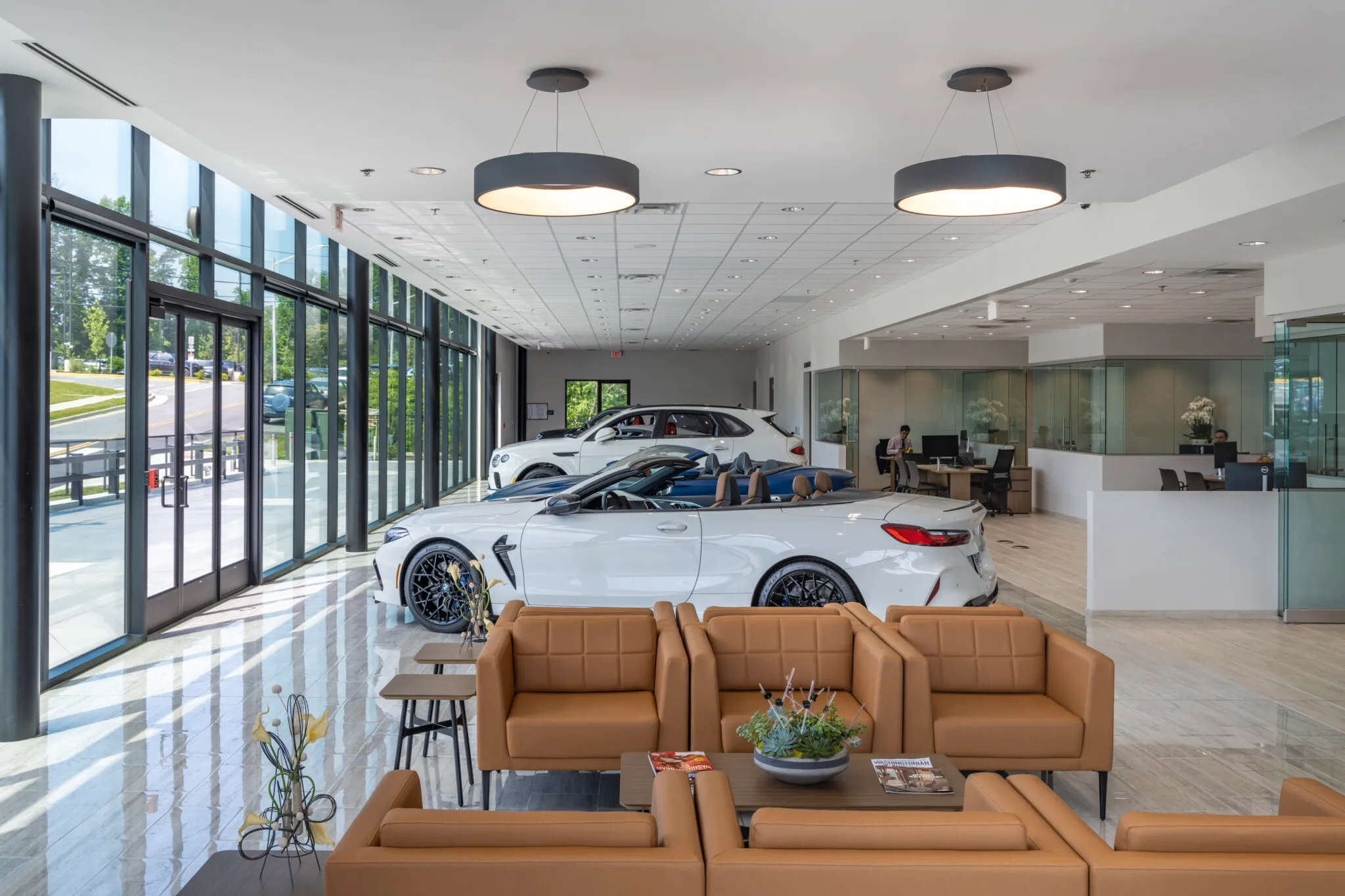
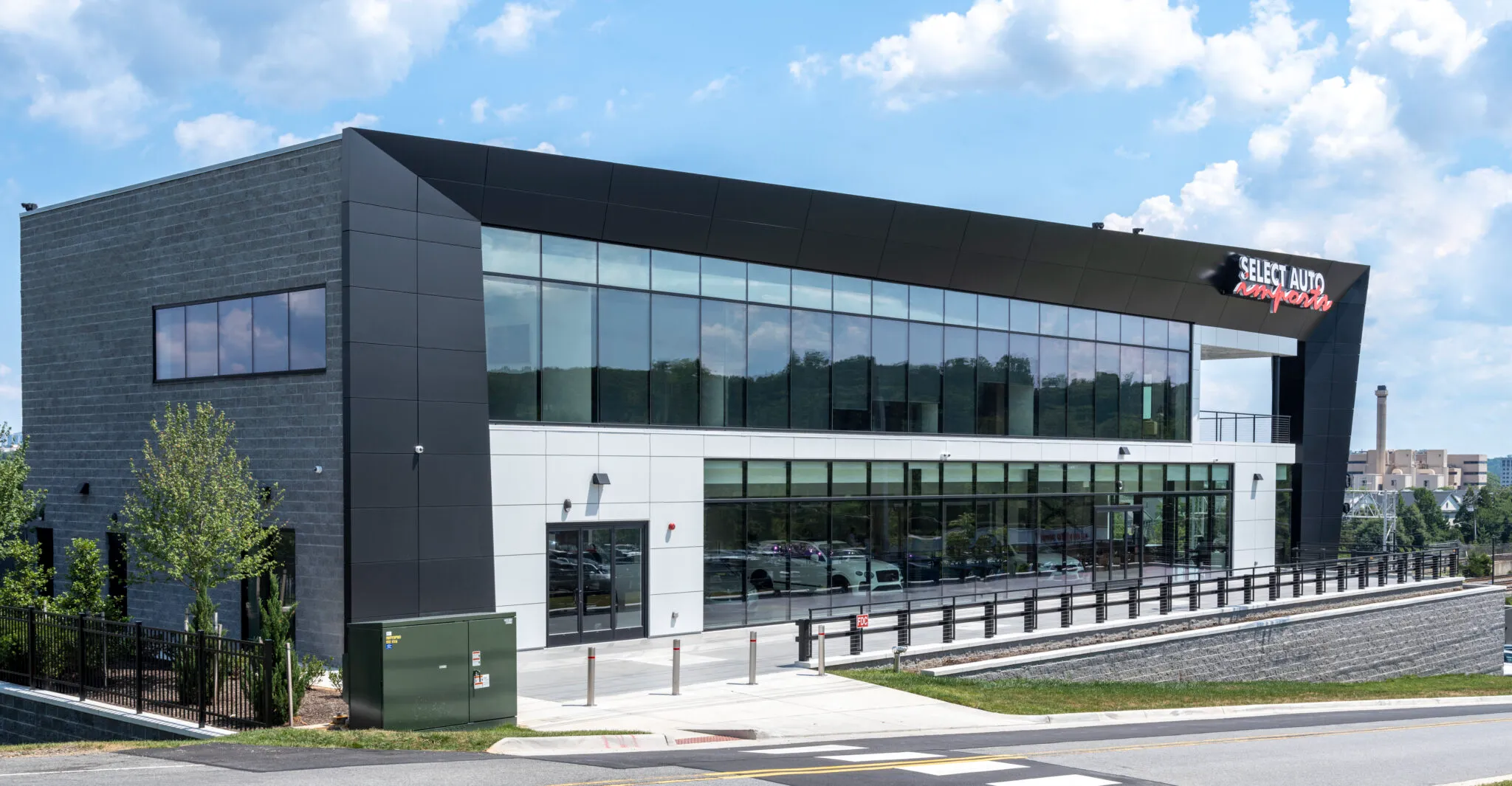
By collaborating with our architecture team, Select Auto Imports transformed their facility into a 17,000-square-foot, three-story automotive sales and service landmark, a space built to reflect the luxury quality of their pre-owned inventory, elevating the customer experience, and competing head-to-toe with big-brand showrooms.

select auto imports 2

Before & After: A Site Transformed

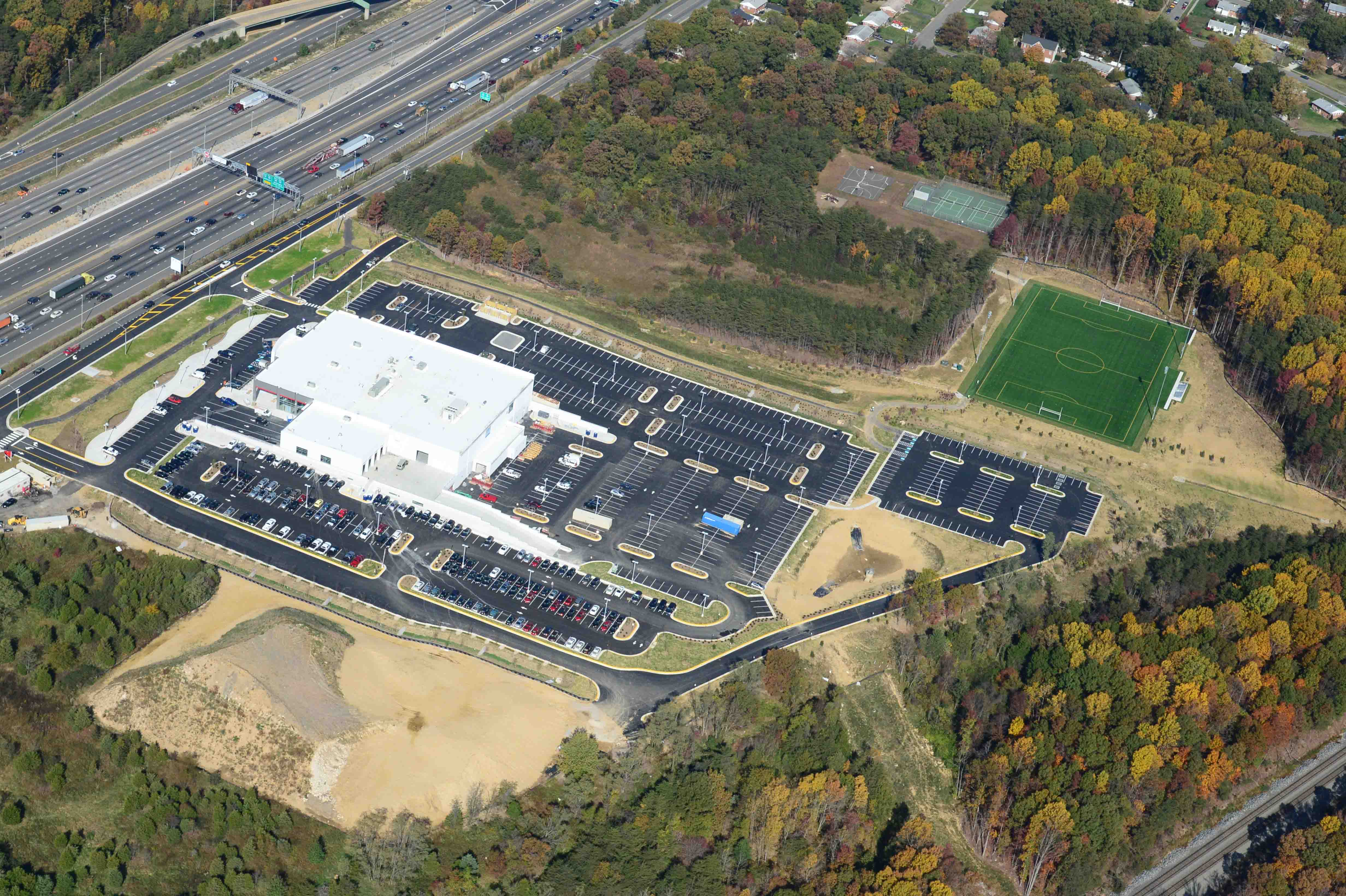
Located on a narrow, irregular lot along South Van Dorn Street, the site presented unique constraints: limited frontage, tight circulation, and bordering commercial neighbors. Our design strategy turned those challenges into opportunities.

  • The building uses a vertical stacking approach to optimize showroom, office and service functions in a compact footprint.
  • Engineered vehicle access and pedestrian flows were carefully choreographed to ensure seamless use on the tight site.
  • Structural features such as the stairwell’s expressive interior cross-bracing serve both seismic/structural purposes and act as bold architectural statements.

In short: what used to be a standard dealership lot has become a modern, refined destination that both customers and the surrounding community take notice of.

select auto imports 4

Design That Elevates Brand & Experience

Architecture is more than just walls and roofs, it’s a strategic tool for brand communication. For Select Auto Imports, the building was crafted to reflect trust, professionalism, and sophistication.

Exterior & Façade Highlights

  • A sleek façade composed of smooth architectural panels, high-performance glazing and metal screening creates a modern identity with clean lines and bold geometry.
  • The black and silver palette offers a restrained elegance letting the luxury vehicles inside become the stars of the show.
  • At the entrance, a tall vertical glass volume serves as a beacon from South Van Dorn Street announcing the stair tower and inviting visitors into the space.

Interior & Customer Experience

  • Inside, expansive glazing floods the space with natural daylight, creating a bright and welcoming environment.
  • Glass-front sales offices promote transparency and openness, while warm woods and textured finishes introduce richness and depth.
  • The “coffee stop” area is clad in a textured black wave tile offering a tactile moment of hospitality that feels more boutique than transactional.
  • Even the restrooms are designed with hospitality-level detailing, featuring full-height doors and contemporary tilework, an unexpected touch that reinforces quality at every turn.

select auto imports 3

Location Advantage: Across from JLR Alexandria

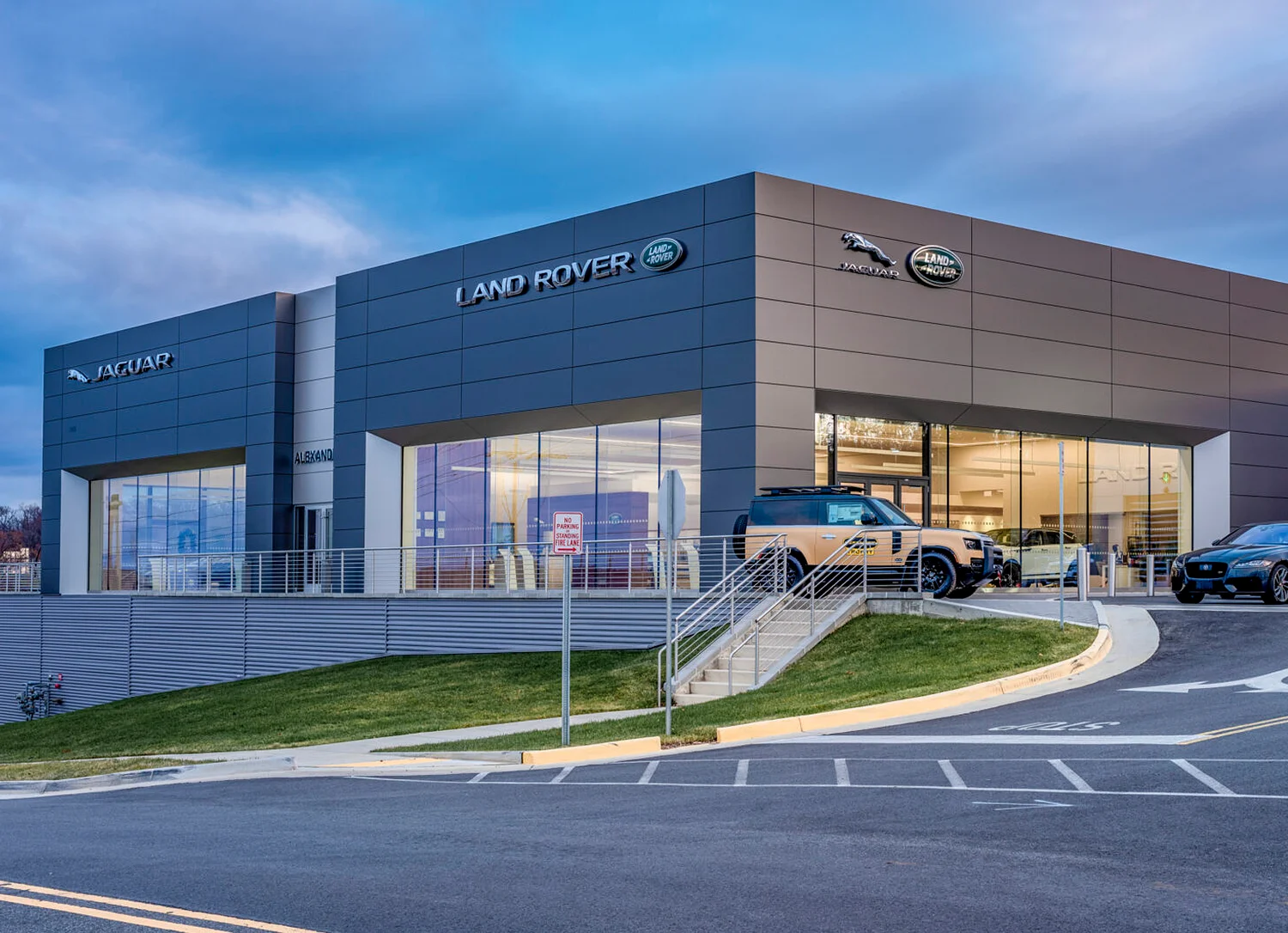
One of the strongest marks of strategic location planning comes from the fact that Select Auto Imports sits directly across the street from another landmark project designed by our firm: JLR Alexandria. Together these two dealerships anchor Alexandria’s automotive corridor, each with its own identity but sharing a common design language that elevates the neighborhood.

Where JLR Alexandria channels the precision and polish of a global luxury brand, Select Auto Imports proves that independent businesses can match that same visual and operational performance through design.

Competitive Advantage Through Architecture & Function

What makes this project especially powerful is how it combines aesthetics and performance:

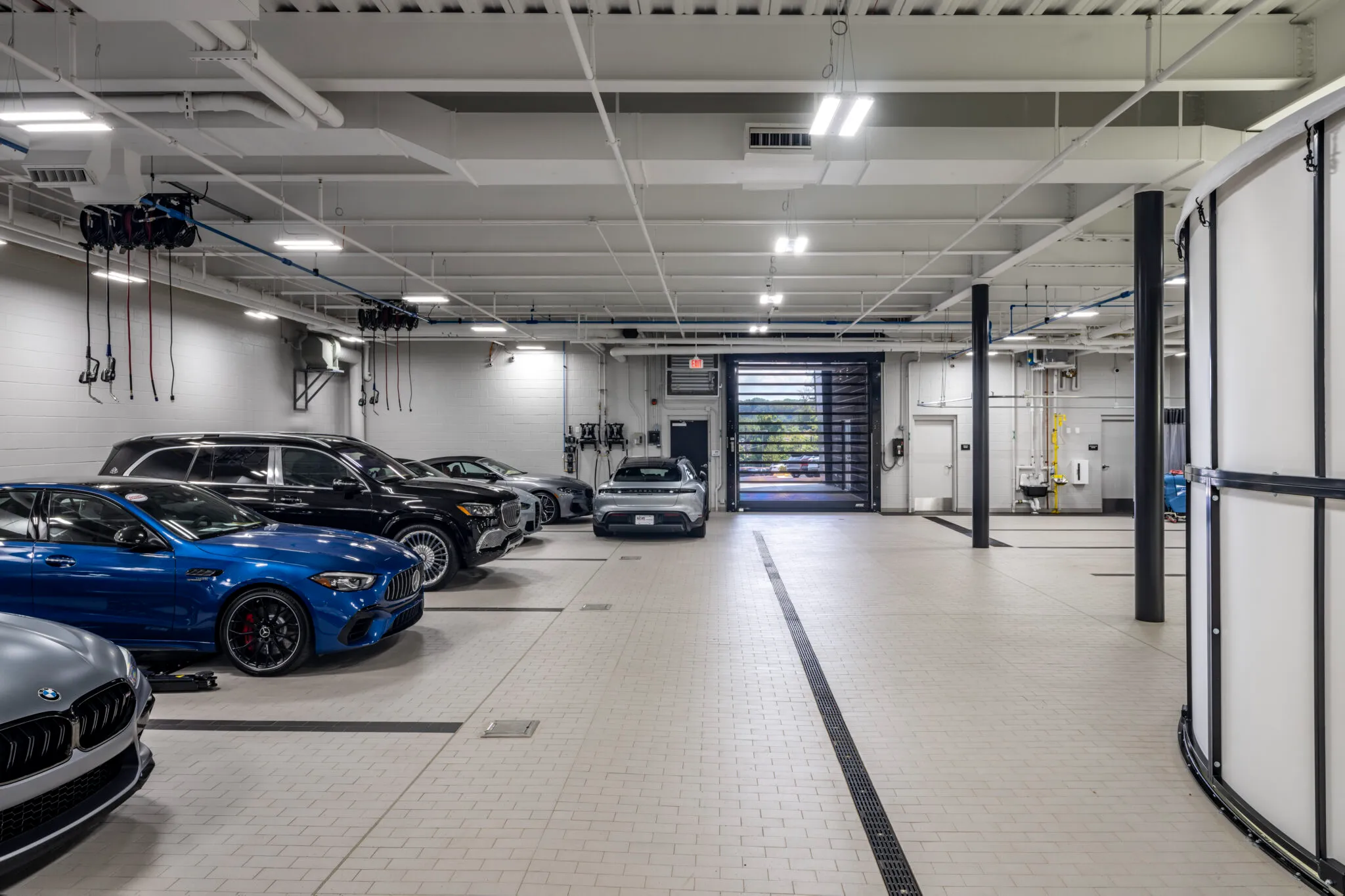
  • The facility does more than look good: it is engineered to support efficient operations for both sales and service, ensuring that vehicle display, customer walk-through, and back-of-house functions all sync seamlessly.
  • Sustainable design principles were embedded throughout: although not formally certified, the project uses an urban infill site (reducing land consumption), high-performance glazing and efficient lighting systems, and low-maintenance long-life materials.
  • Attention to site drainage and stormwater management helped ensure that the building meets local environmental expectations with another layer of design sophistication.

All of which means that Select Auto Imports doesn’t just claim to compete with large corporations, it architecturally proves it.

select auto imports 5

Why This Matters for Independent Dealerships

In a dealership world where brand scale often dominates, independent operators need every tool they can get to level the playing field. A well-designed facility provides:

  • Higher perceived value and trust from customers
  • A premium environment that encourages longer visits and better engagement
  • Differentiation from the standard “used-car lot” model
  • A facility that works hard for business growth—not just looks good

If your business is striving to stand out from large chains and elevate your facility into a brand asset, this is what great architectural partnership looks like.

Ready to Elevate Your Space?

Our firm specializes in automotive retail architecture, helping independent dealers, luxury brands, and service centers achieve spaces that look premium, work efficiently, and drive business results.

If you’re ready to transform your building into a competitive tool—let’s talk. Contact us today for a consultation.

From Vision to Viability: Developing a Project Design Concept

Every successful project begins with a clear design vision; turning that vision into a buildable, durable, and client-approved reality takes strategy, collaboration, and expertise. Within an architecture firm, interior designers play a critical role in bridging conceptual ideas with real-world application. From early inspiration through detailed finish selection, interior design is integral to shaping how a space looks, feels, and performs.

from vision to viability developing a project design concept 1

At Penney Design Group, interior design is fully integrated into our architectural practice. While we are widely recognized for automotive architecture, our work spans many facets of commercial and residential design, including multifamily, workplace, retail, and mixed-use projects. Across all project types, the same design principles apply; thoughtful coordination, material integrity, and a strong conceptual foundation.

from vision to viability developing a project design concept 2

Interior Design Within an Architecture Practice

In an integrated architecture and interior design environment, designers are involved from the earliest stages of a project. Rather than applying finishes at the end of the process, interior designers work alongside architects to help define the overall design concept; ensuring that interior materials, colors, and textures reinforce the architectural intent.

This collaborative approach allows design decisions to respond directly to building form, program, brand identity, and user experience. Whether the project is a commercial showroom, a multifamily residential building, or a private interior, the goal is always cohesion; spaces that feel intentional, functional, and aligned with the client’s vision.

from vision to viability developing a project design concept 3

Establishing the Design Concept

Concept development begins with understanding context; who the client is, how the space will be used, and what the project needs to communicate. Interior designers translate these inputs into a design direction that balances aesthetics with performance requirements such as durability, maintenance, acoustics, and budget.

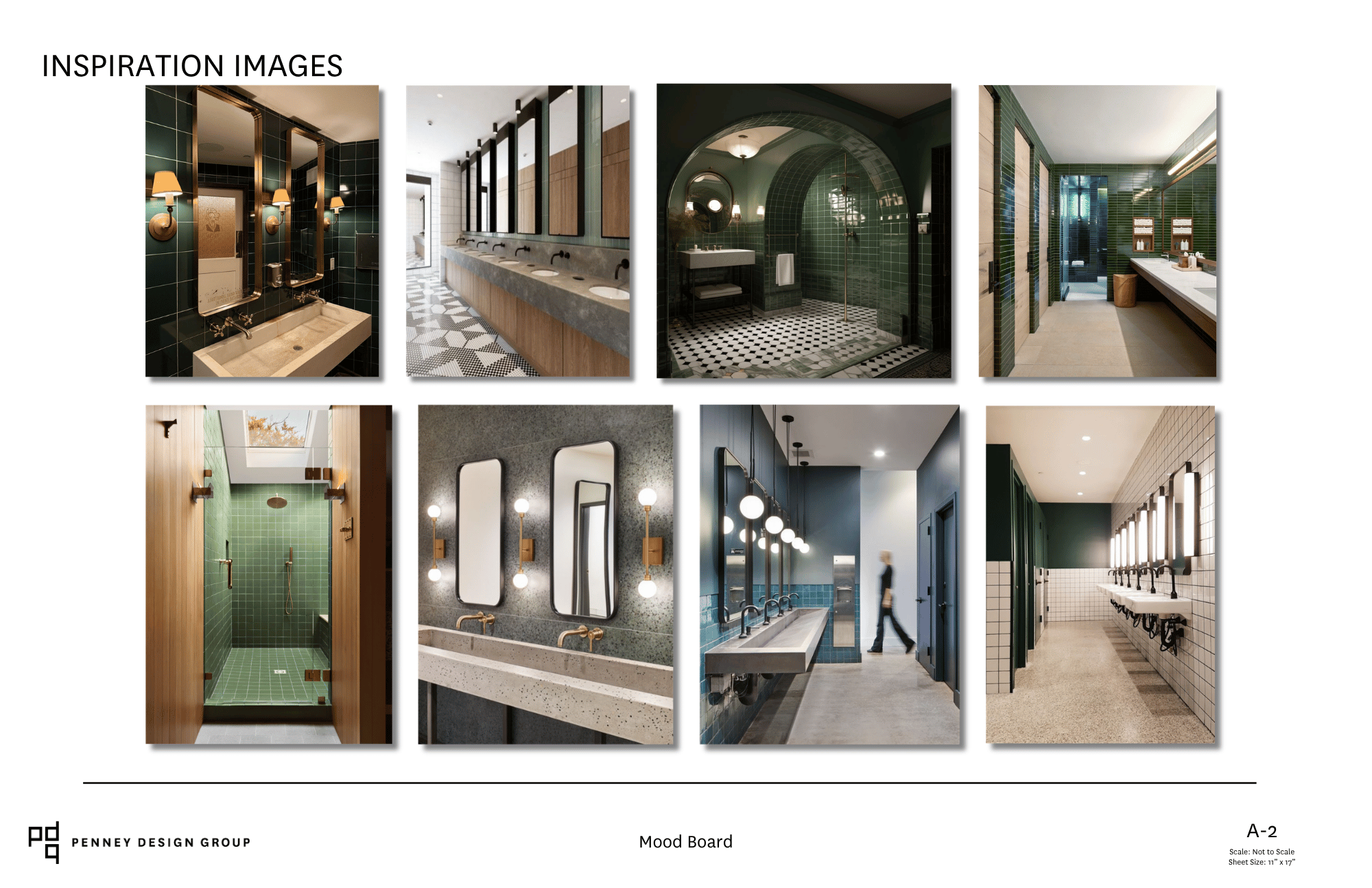
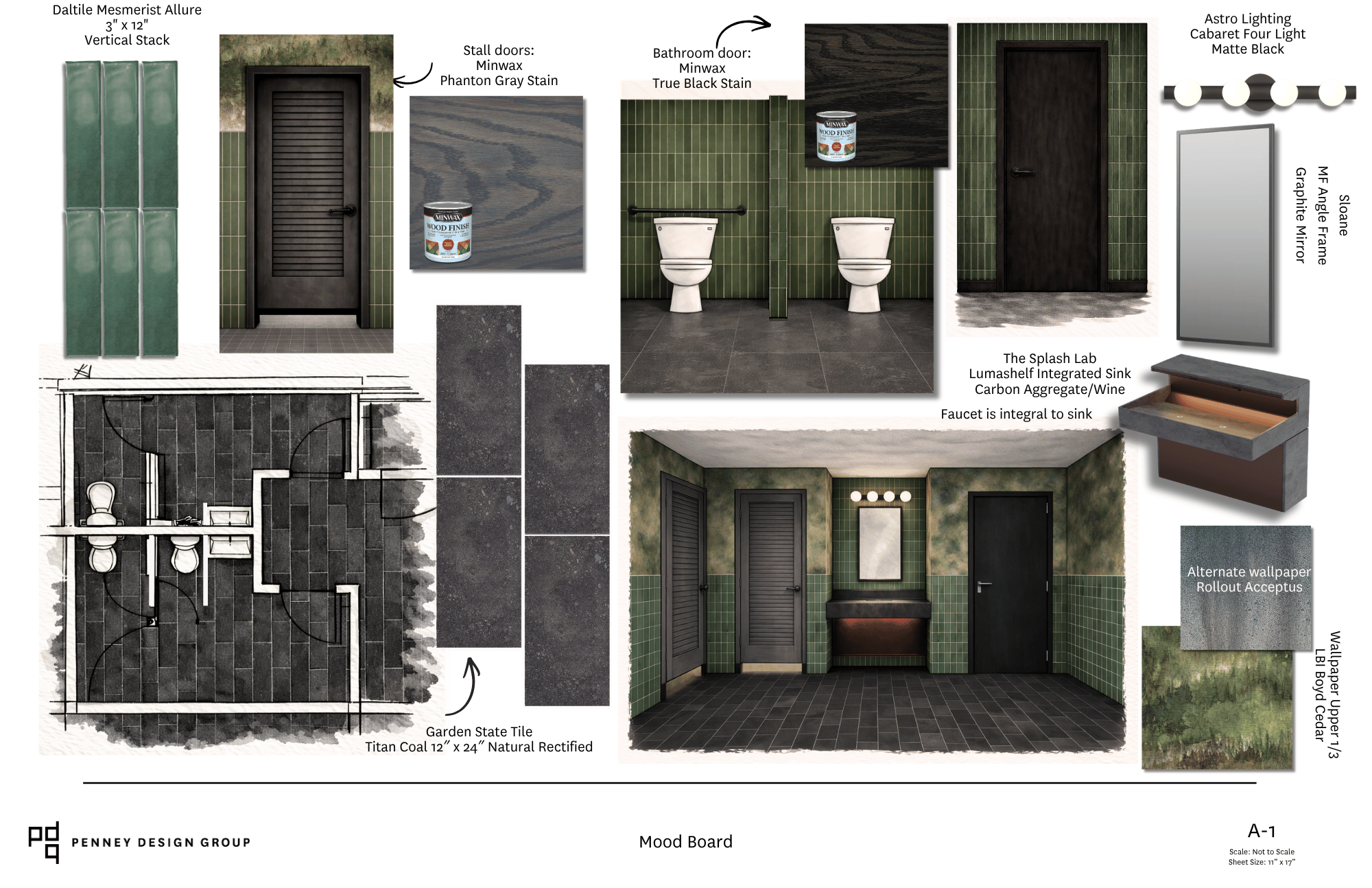
Mood boards and finish palettes become essential tools at this stage. They allow the team to explore material relationships, contrast, and tone while testing how individual elements work together as a system rather than in isolation. Flooring, wall finishes, ceilings, millwork, and work surfaces are all considered together to ensure consistency throughout the space.

from vision to viability developing a project design concept 4

Selecting Finishes with Purpose

Finish selection is both creative and highly technical. Interior designers evaluate materials not only for appearance, but also for longevity, constructability, and suitability for specific environments. High-traffic flooring must balance visual interest with durability; wall finishes may be selected to enhance acoustics, add texture, or support branding.

Within an architecture firm, these selections are coordinated closely with detailing, specifications, and construction documentation. Designers consider transitions between materials, alignment with building systems, and how finishes will be installed and maintained over time. This level of coordination helps minimize surprises during construction and ensures the finished space reflects the original design intent.

from vision to viability developing a project design concept

From Concept to Construction

A strong design concept serves as a roadmap throughout the life of a project. As drawings are developed and refined, interior designers continue to collaborate with architects, consultants, and clients; answering questions, refining details, and adapting as needed while maintaining the core vision.

The result is a space where materials, colors, and textures work together seamlessly; supporting both form and function. By integrating interior design into the architectural process from the start, Penney Design Group is able to move confidently from vision to viability; delivering interiors that are thoughtful, durable, and aligned with each project’s goals.

Passport BMW: Construction-Driven Transformation of a Premier Automotive Facility

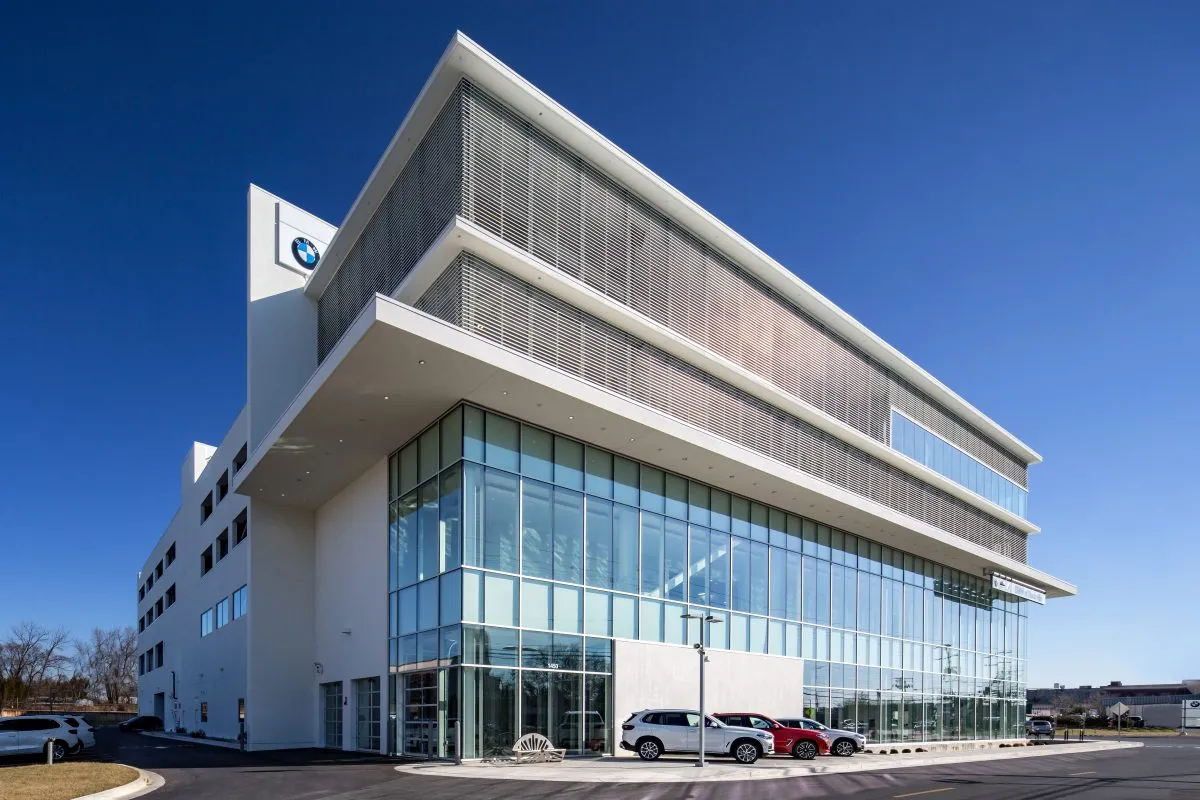
Penney Design Group is proud to have partnered on the Passport BMW dealership renovation and addition, a project that redefined the customer experience while expanding the facility to meet evolving operational needs. Located in the Washington, DC metro area, this project balanced precision construction, thoughtful phasing, and brand-driven design within an active dealership environment.

elevation 1

Project Scope

The project consisted of a comprehensive renovation of all customer-facing areas along with a 25,000-square-foot building addition. The scope included upgrades to the showroom, customer lounges, sales offices, and service reception areas with modernizing finishes, improving circulation, and enhancing overall functionality. The new addition allowed the dealership to expand its footprint while maintaining continuity with the existing structure and BMW’s architectural standards.

Throughout design and construction, careful coordination was required to integrate new building systems and structural elements into the existing facility while preserving daily dealership operations.

elevation 2

Construction Process & Key Challenges

Constructing an addition and executing major renovations within an occupied automotive facility presents unique challenges. Phasing and sequencing were critical to ensure customer access, vehicle flow, and service operations could continue safely and efficiently throughout construction.

Early phases focused on structural work for the addition, including steel erection and masonry construction, establishing the framework for the expanded facility. As the building enclosure progressed, interior construction advanced in parallel—allowing renovation work to occur while minimizing disruption to dealership functions.

Interior renovations required close coordination across disciplines, integrating updated mechanical, electrical, and lighting systems with new architectural finishes. Attention to detail was essential to meet both performance requirements and the refined aesthetic expected in a premium automotive environment.

The final stages of construction brought together interior finishes, exterior improvements, and site work by culminating in a seamless transformation that supports both customer experience and operational efficiency.

2

Material Strategy Aligned with BMW Brand Standards

The material palette for the Passport BMW renovation and addition was selected to align with BMW’s corporate architectural standards, including the principles of its “Retail.Next” dealership concept, which emphasizes transparency, flexibility, and a premium customer experience. Concrete masonry units (CMU) form the backbone of the building envelope, providing structural integrity, fire resistance, and long-term performance—particularly critical in service and operational areas. The use of both smooth-face and split-face CMU introduces subtle texture and scale while maintaining the restrained, utilitarian character prescribed by BMW facility guidelines. In customer-facing areas, clear anodized aluminum storefront systems were employed to maximize transparency and daylight, reinforcing “Retail.Next’s” focus on openness and visual connection between interior and exterior spaces. Metal panel cladding was integrated to unify the renovated and new construction, delivering crisp lines, consistent finishes, and a contemporary expression consistent with BMW’s evolving global dealership identity.

passport bmw construction driven transformation of a premier automotive facility

Collaboration with Chesapeake Contracting Group

Penney Design Group worked closely with Chesapeake Contracting Group, the general contractor for the Passport BMW project. Chesapeake’s experience with complex renovation and addition projects—particularly in occupied commercial environments—was instrumental to the project’s success.

With decades of experience across automotive, retail, and commercial sectors, Chesapeake Contracting Group brought a disciplined, collaborative approach to construction management. Their ability to carefully phase work, coordinate trades, and maintain safety standards allowed the dealership to remain operational while construction progressed. The partnership between design and construction teams ensured challenges were addressed proactively, resulting in a high-quality finished project that met both schedule and performance goals.

1

A Modernized Dealership for the Future

The completed Passport BMW project reflects the power of integrated design and construction. By modernizing customer spaces and expanding the facility through a carefully executed addition, the dealership is now better equipped to serve its customers while reinforcing the BMW brand experience.

At Penney Design Group, we value projects that require thoughtful coordination, technical expertise, and strong collaboration—and Passport BMW stands as a testament to that approach.

Designing Data Centers to Be Good Neighbors: How Architecture Supports Communities

Most people don’t think about data centers until they hear that one may be built nearby.

Yet these facilities already support nearly every part of modern life; email, banking, health records, emergency services, and the rapidly expanding world of AI. According to the Urban Land Institute, data centers now function as essential infrastructure, much like power or water systems, and they require thoughtful planning so that they serve both global digital needs and the local communities that host them.

dji 0236 2048x1152

Because they are so critical, the way they are designed and the way they integrate into their surroundings matters. At Penney Design Group, we focus on ensuring that data centers operate reliably while also being responsible, quiet, visually respectful neighbors. Noise is often the first community concern, but modern facilities are engineered to minimize it. Emergency generators run only briefly for monthly testing and remain otherwise off, cooled by sound-attenuated enclosures. Mechanical equipment is screened and strategically placed to reduce its acoustic presence, and entire campuses are planned so that sound-producing elements sit far from residential edges. These strategies are not exceptions but standard practice informed by clear zoning and design guidelines.

dji 0317 2048x1152

Appearance is another key consideration. Although data centers are technically complex industrial buildings, they do not need to look industrial. Landscape buffers, glass or articulated façades, and careful material selection help large buildings blend into their surroundings more effectively than most people expect. Equipment yards and substations are screened, and massing is broken down to make the campus feel less imposing. With thoughtful architectural choices, even hyperscale facilities can fit comfortably within the character of a community.

2022 09 22 dulles technology c02 02 2048x842

Traffic concerns are also common, and the Urban Land Institute (ULI) wrote a report highlighting that misconceptions often stem from observing construction activity rather than long-term operations. Data centers generate very little daily traffic once they are up and running. There are no fleets of trucks moving in and out and no constant flow of deliveries. A small operations team manages the facility, reducing permanent impact on roads and local services. Construction, while more active, is phased and temporary, and architects help plan those phases in ways that minimize disruption.

Water and power use have become increasingly important community topics. Modern data centers are designed to be far more responsible in these areas than many people assume. When water is required for cooling, operators frequently use non-potable recycled water, known as “purple pipe” systems, so they do not draw from the municipal drinking supply. Many major operators also invest in local water treatment infrastructure and clean-energy development, which can accelerate grid modernization and bring additional benefits to the region. As the ULI report notes, federal and state regulations prevent new large-load users from reducing grid reliability for existing customers, and hyperscalers’ renewable-energy commitments often push utilities toward greener solutions that benefit communities.

dji 0302 2048x1152

Finally, zoning and design transparency play an essential role in making data centers community-friendly. Clear guidelines on building height, setbacks, screening, and sound management ensure predictable, consistent outcomes. PDG works closely with municipalities to interpret and apply the best practices highlighted in the ULI’s model zoning recommendations, ensuring that facilities meet technical needs while aligning with community expectations.

dji 0122 2048x1152

When designed thoughtfully, data centers strengthen local economies, support national digital infrastructure, and integrate respectfully into the places people call home. Architecture plays a central role in balancing these objectives, reducing impacts, improving aesthetics, and ensuring that these essential buildings remain both high-performing and good neighbors.

Reference: Urban Land Institute Local Guidelines for Data Center Development

Transforming BMW of Silver Spring: Before & After Renovation

A Dealership Ready for Change

BMW has always been synonymous with performance and precision, and its dealerships are expected to reflect those same qualities. At BMW of Silver Spring, however, the physical space was beginning to lag behind the evolving expectations of both the brand and its customers. The showroom was functional but dated, with layouts and finishes that no longer matched the premium experience BMW ownership should convey. That’s where Penney Design Group came in. Our task was to take on an aging facility and turn it into a modern destination that embodied the brand, supported staff, and delighted customers.

transforming bmw of silver spring before & after renovation

Looking at the Before

Walking through the facility before renovation, it was clear where improvements were needed. The showroom floor was crowded, with limited space to highlight vehicles in a way that felt intentional. Lighting was uneven, often failing to showcase the cars at their best. The customer waiting area had been outgrown and was lacking comfort and connection to the rest of the dealership. Even the service drive and back-of-house functions showed signs of strain from years of heavy use.

bmw interior 2

The dealership wasn’t broken—but it wasn’t inspiring either. For a brand like BMW, that was not enough. The challenge was to preserve the building’s utility while elevating it into a space that matched the luxury and performance DNA of the vehicles inside.

bmw interior 1

The Renovation Vision

Our vision for BMW of Silver Spring’s renovation centered on creating a space that flowed seamlessly from arrival to delivery. The new design emphasized openness and transparency, making every step of the customer journey intentional. The showroom was reconfigured to allow for clean sightlines, more natural light, and curated display areas that placed vehicles at the center of attention.

20 2048x758

High-quality finishes were introduced to reinforce BMW’s premium images: sleek glass walls, polished surfaces, and lighting designed specifically to enhance the forms and colors of the vehicles. The customer lounge was reimagined as a comfortable, upscale retreat rather than a simple waiting room, offering an experience that matched the excitement of test driving a BMW.

funiture 1 4

Meeting the Challenges

Renovations are rarely straightforward, and BMW of Silver Spring was no exception. One challenge was completing the work while minimizing disruption to the dealership’s daily operations. Staging construction in phases allowed sales and service teams to continue serving customers without compromising safety or efficiency.

img 5128 2048x1536

Another challenge was balancing BMW’s corporate design standards with the practical realities of the existing building. Not every element could be rebuilt from scratch, so creative architectural solutions were developed to integrate new features into the old framework without sacrificing consistency or quality. The result was a dealership that feels entirely new, even though its foundation has been there for decades.

img 9020

The After: A New Standard

Today, BMW of Silver Spring is more than a renovated facility, it’s a revitalized experience. The showroom feels open and inviting, with vehicles displayed like works of art. Customers can move easily from browsing to consultation, with spaces designed for personal conversations and digital engagement. The lounge provides a sense of comfort and exclusivity, while the service areas are efficient, transparent, and capable of handling today’s mix of combustion and electric vehicles.

gilbert 20230914 0360 2048x1361

The transformation demonstrates how architectural design can reshape perception. What was once a serviceable dealership is now a destination that communicates BMW’s brand values at every turn. For customers, the new space enhances the sense of excitement and pride that comes with owning a BMW. For staff, it provides an environment that supports productivity and reflects the prestige of the vehicles they represent.

gilbert 20230914 0290 2048x1536

More Than Just a Facelift

This project highlights how dealership renovations can go beyond aesthetics. At Penney Design Group, we believe every renovation is an opportunity to rethink functionality, improve sustainability, and prepare for the future. In Silver Spring, that meant designing spaces that could accommodate electric vehicle infrastructure, integrating energy-efficient lighting and mechanical systems, and creating flexibility for future changes in showroom or service needs.

gilbert 20230914 0286 2048x1536

By approaching the project holistically, the renovation achieved more than a visual update—it provided a platform for the dealership to thrive in the years ahead.

Looking Forward

BMW of Silver Spring now stands as an example of what a thoughtful renovation can achieve. It shows that dealerships don’t need to start from scratch to make a powerful statement. With the right vision, planning, and execution, an existing facility can be transformed into a flagship-caliber destination that elevates the brand and enhances the customer’s journey.

gilbert 20230914 0289 2048x1536

At Penney Design Group, we’re proud of the transformation and the partnership that made it possible. It’s proof that design, when done well, has the power to not only change a building, but also reshape an entire experience.

gilbert 20230914 0238 pano edit 2048x625

Top 5 Emerging Interior Architectural Finishes of 2025

Looking Ahead at Design

Every year, architecture and design evolve to reflect not only new aesthetic preferences but also cultural shifts, technological progress, and sustainability goals. In 2025, interior finishes are playing a larger role than ever before in shaping how spaces feel, function, and endure. At Penney Design Group, we’ve noticed clear trends emerging across commercial, residential, and automotive projects, pointing toward materials and finishes that are not only visually striking but also more sustainable, adaptive, and user focused.

top 5 emerging interior architectural finishes of 2025 5

Sustainability as a Standard

One of the strongest trends is the move toward finishes that reduce environmental impact without sacrificing beauty. Recycled surfaces, responsibly sourced wood veneers, and bio-based composites are no longer niche, they are mainstream choices. Many of today’s clients expect eco-friendly options as part of their project, and manufacturers are responding with finishes that perform as well as traditional materials while offering smaller carbon footprints.

We’ve seen this in flooring made from reclaimed materials that balance durability with warmth, as well as surface laminates derived from plant-based resins. These finishes reflect a growing awareness that sustainability is not a luxury, but a necessity. In 2025, it’s not just about what looks good today, it’s about how materials support long-term stewardship of resources.

top 5 emerging interior architectural finishes of 2025 7

High-Performance Surfaces

As buildings become more flexible and multi-functional, finishes must rise to the challenge of constant use. High-performance surfaces that resist wear, staining, and scratching are gaining momentum. Matte ceramic finishes, ultra-durable quartz composites, and antimicrobial coatings are showing up in both public and private spaces.

For dealerships, like the ones we design, this durability is essential. Customers interact with these surfaces daily, and they need to hold up under heavy foot traffic while still maintaining a polished look. Finishes that provide resilience without appearing overly industrial are defining the next wave of interior design.

top 5 emerging interior architectural finishes of 2025 6

Textures that Tell a Story

Flat, glossy finishes are giving way to surfaces with depth and dimension. Textured wall panels, tactile stone surfaces, and layered wood treatments create interiors that invite touch as much as they invite sight. This move toward texture reflects a broader cultural desire for authenticity and connection—materials that feel real and human, even in high-tech spaces.

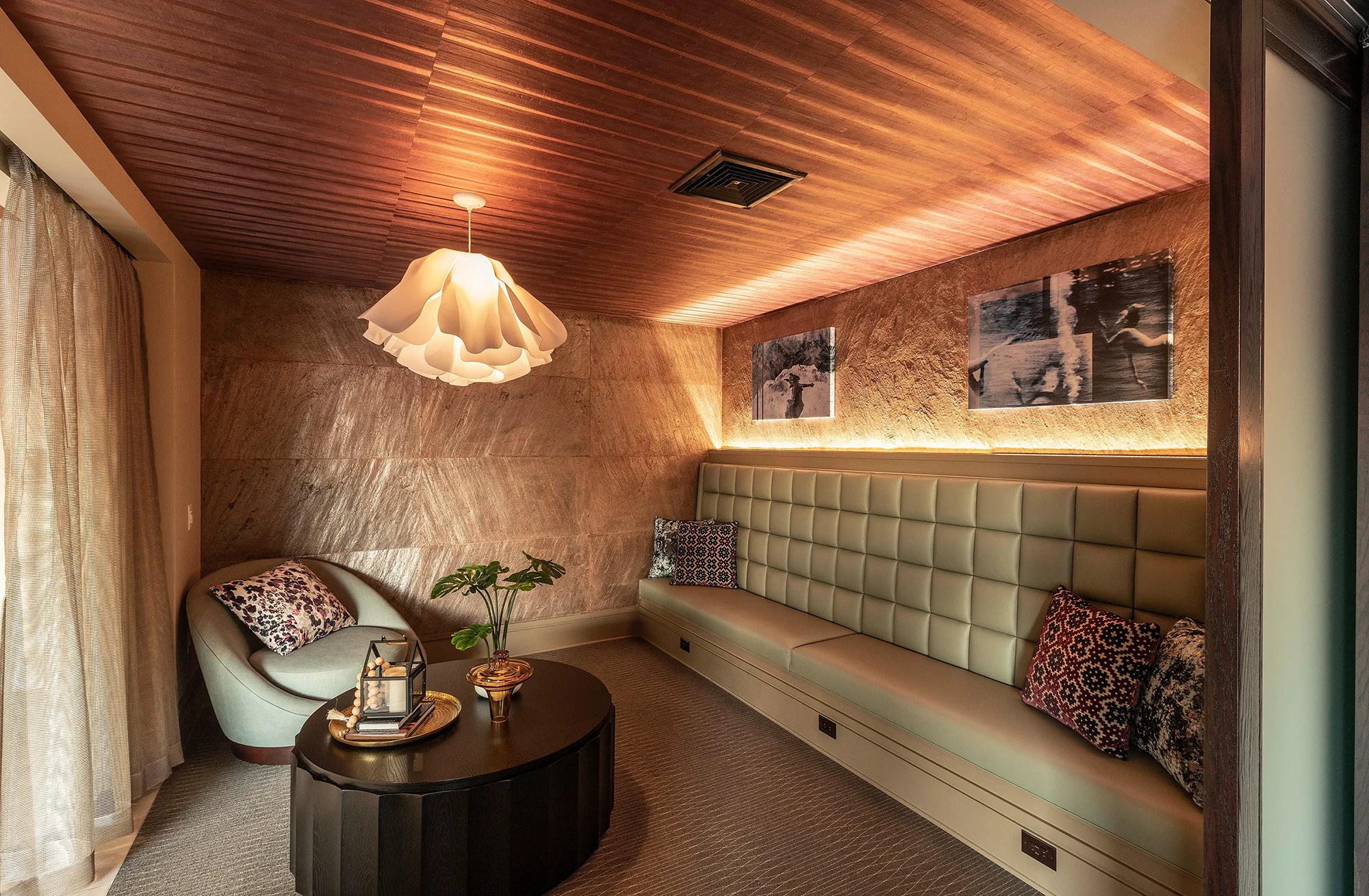
In projects we’ve completed recently, we’ve seen how texture can define a space. A dealership lounge with textured acoustic panels, for example, doesn’t just absorb sound, it creates a feeling of calm and warmth that makes the space more inviting. In 2025, finishes are being asked to deliver both function and emotional resonance.

top 5 emerging interior architectural finishes of 2025 4

Metallics with Subtlety

Metallic finishes remain popular, but they are shifting toward softer, more refined expressions. Brushed brass, muted bronze, and satin aluminum are replacing the high-shine chrome that dominated in years past. These metals add sophistication without overwhelming a space, complementing other materials rather than competing with them.

In luxury environments, metallic accents are becoming the detail that elevates a space from standard to exceptional. Whether used in trim, hardware, or accent walls, the trend in 2025 is toward metallics that whisper refinement rather than shout for attention.

top 5 emerging interior architectural finishes of 2025 1

Smart and Adaptive Materials

Perhaps the most exciting trend in finishes is the rise of smart materials. Photochromic glass, which adjusts its opacity depending on light levels, and surface coatings that actively improve indoor air quality are making their way into mainstream architecture. These adaptive finishes merge technology with design, providing a glimpse into the future of interior environments.

For clients, these materials offer not just aesthetic appeal but measurable improvements in comfort and performance. They represent a shift from finishes being static backdrops to being active participants in how a space functions.

top 5 emerging interior architectural finishes of 2025 2

Bringing It All Together

The top finishes of 2025 share a common thread: they are designed not only to look beautiful, but to perform, to last, and to respond to the evolving needs of people and the planet. From sustainable surfaces to adaptive smart materials, these finishes represent the intersection of design, technology, and responsibility.

At Penney Design Group, we approach every project with an eye toward what’s next. Whether we are designing a flagship dealership, a mixed-use development, or a private residence, these emerging finishes are shaping how our spaces look and feel. As the industry continues to evolve, these materials will help us create environments that are not only striking today but resilient tomorrow.

top 5 emerging interior architectural finishes of 2025 3

Navigating OEM Design Standards in Automotive Projects

The Role of OEM Standards in Dealership Architecture

Automotive architecture comes with a unique challenge. Unlike many other commercial projects, dealerships must follow detailed brand guidelines, or OEM standards, established by manufacturers like Porsche, Lexus, and Audi. These standards influence nearly every design decision—from the exterior façade to interior finishes, lighting, and even the placement of signage. For Penney Design Group, navigating this landscape is a core part of our work. The key is balancing strict adherence to brand identity with the realities of site conditions, local regulations, and client needs.

gb 150428 3692 2 scaled

Why Standards Matter

Original Equipment Manufacturers invest heavily in creating consistent experiences for their customers worldwide. When someone walks into a Porsche dealership in Ohio, a Lexus showroom in Virginia, or an Audi facility in Pennsylvania, they expect the space to reflect the same brand values they’ve seen elsewhere. OEM standards make that possible. They create continuity and reinforce the brand image, ensuring that customers feel the same level of quality no matter where they shop.

c06 hr

gb 201025 3762 2 1

jimsinkphotography 1000 1

At the same time, these standards are not suggestions—they are requirements. They cover everything from cladding materials to furniture packages and are often updated to align with evolving corporate identities. For architects, this creates both a framework to guide design and a responsibility to translate those guidelines into functional, buildable spaces.

The Penney Approach

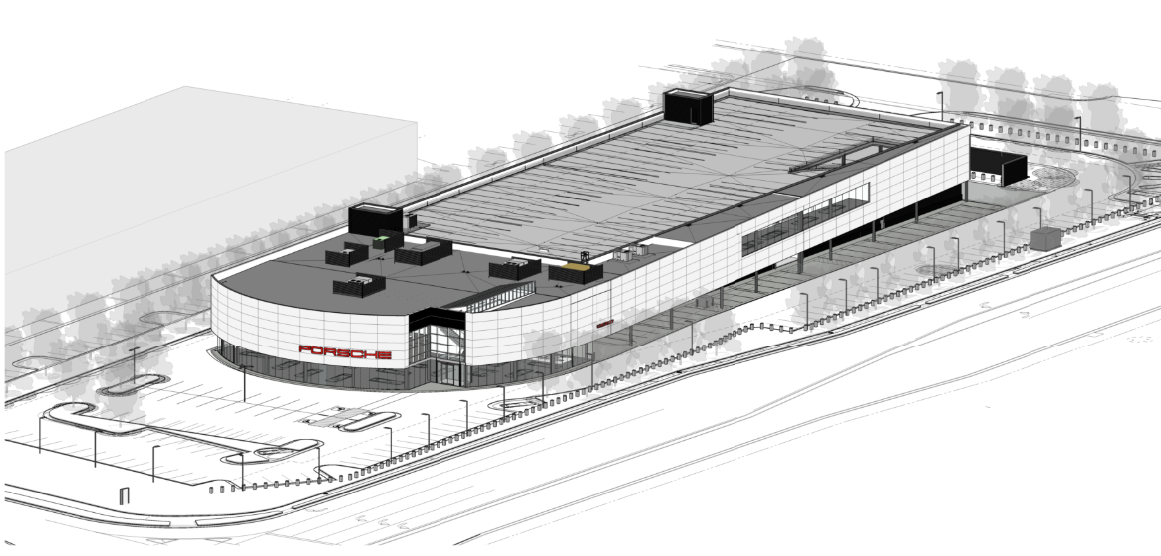
At Penney Design Group, we treat OEM standards as the starting point, not the finish line. Our goal is to interpret these requirements in a way that feels authentic to the brand while also making sense for the dealership’s specific context. A Porsche showroom may call for sleek ACM panels and bold glass curtainwalls, but the way those materials are detailed in a suburban setting may differ from an urban site.

greenwich porsche, greenwich, ct; 06/20/18

gilbert 20230831 0082

porsche exterior 1

This approach requires collaboration on every level. We work directly with OEM representatives, dealership owners, and contractors to ensure compliance while also advocating for design solutions that improve efficiency and enhance customer experience. By fostering open communication, we’re able to bridge the gap between strict corporate requirements and the practical realities of construction.

porsche chantilly interior 2020 178 2048x1152

porsche tysons 2022 81

Case Study: Porsche

Designing to Porsche standards means working with a brand that prioritizes precision and performance in every detail. Their architectural guidelines emphasize clean lines, dramatic glazing, and bold use of branded materials. In practice, this means ensuring every seam, every joint, and every finish aligns with that vision.

drs8802 hdr

When working on Porsche Beachwood, our team collaborated closely with both Porsche and the ownership group to make sure the facility reflected the global Porsche brand while fitting the local market. The result was a showroom that won NAIOP’s New Construction Project of the Year, showing how adherence to OEM standards can produce award-winning architecture when executed with care.

Case Study: Lexus

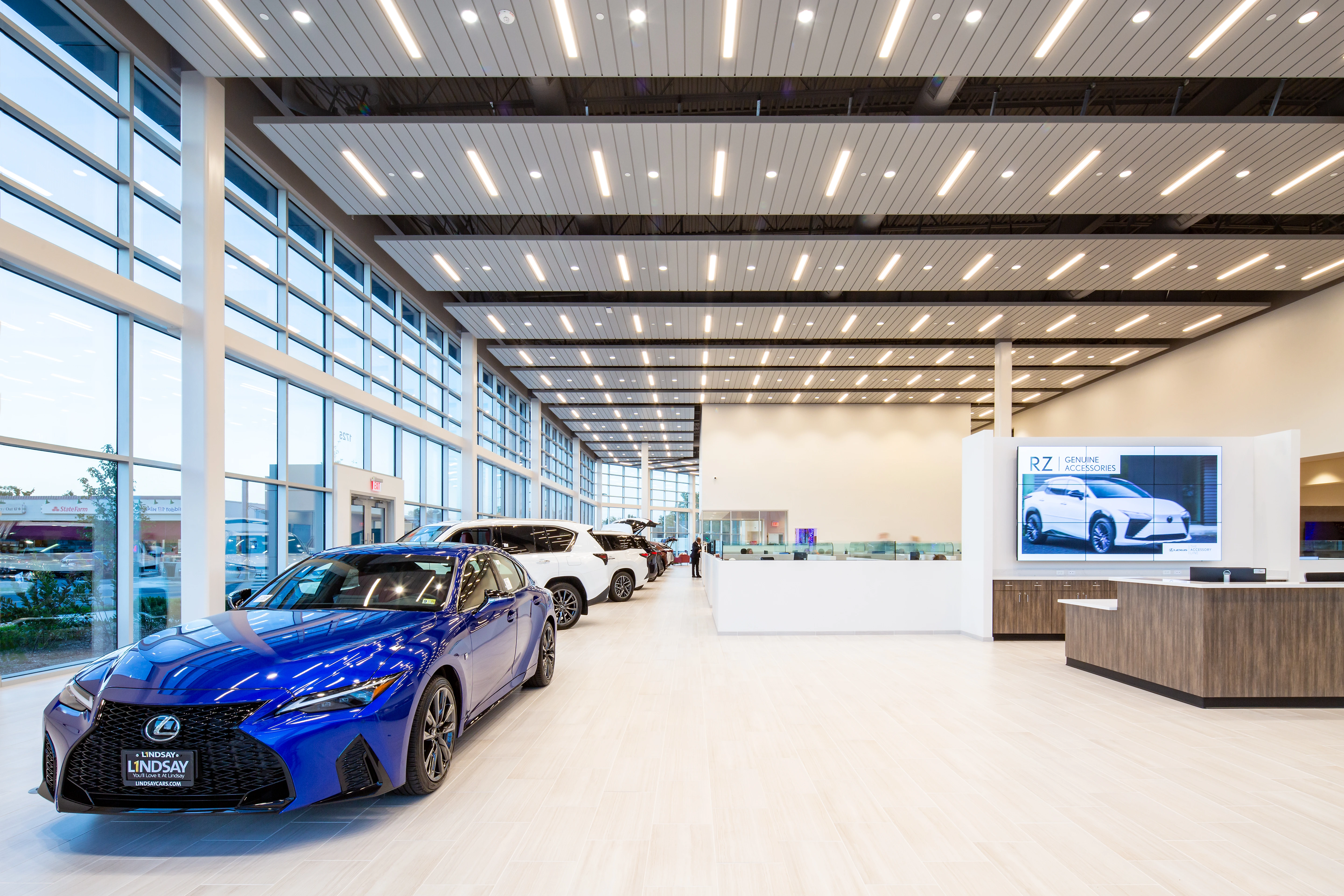
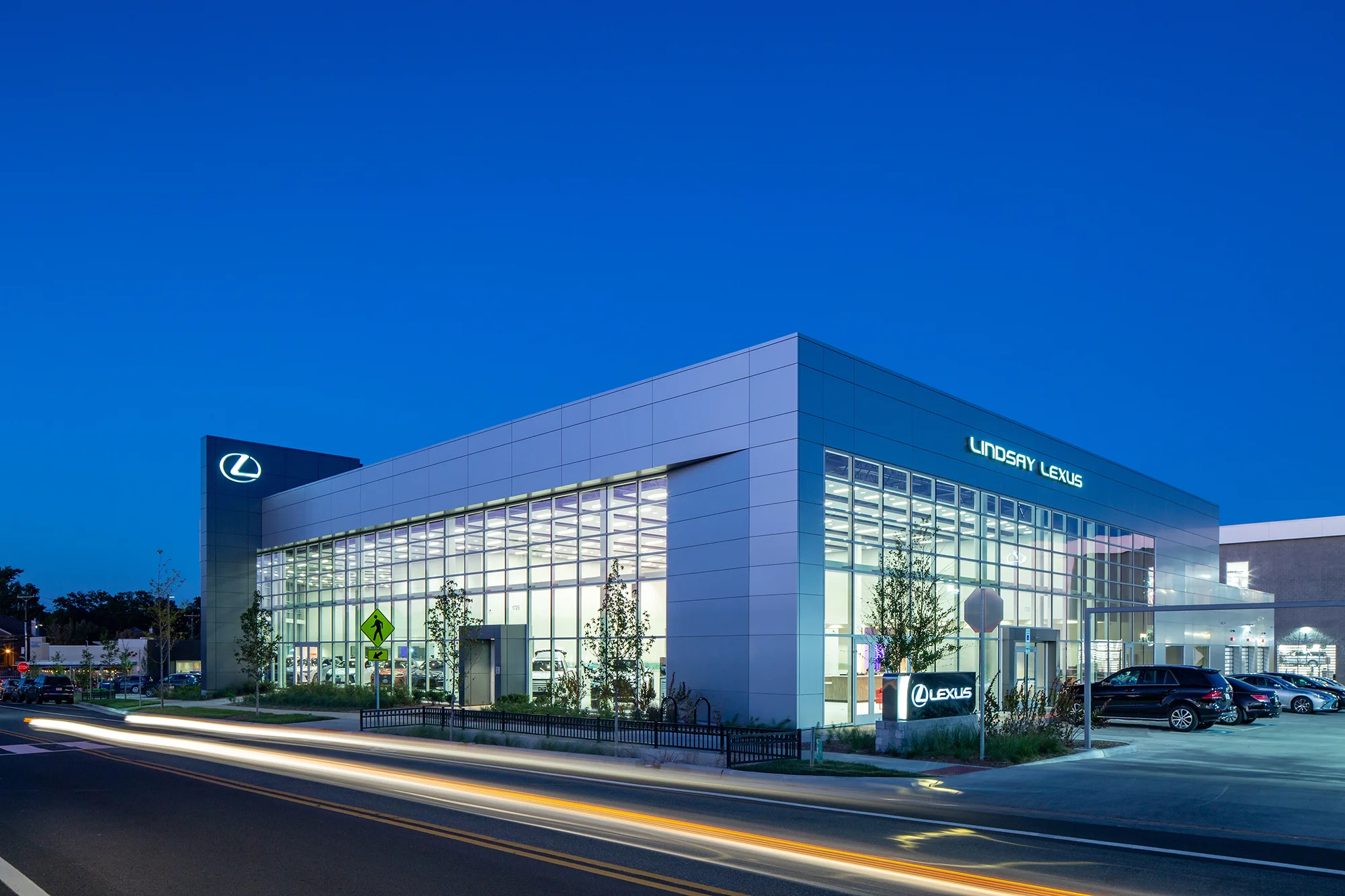
Lexus standards focus on refined luxury, with warm finishes, balanced lighting, and spaces designed to feel calm and inviting. For us, that meant paying attention to the customer journey—how the layout flowed from entry to consultation areas, how waiting lounges felt, and how lighting created a sense of intimacy. Meeting these standards required not only architectural precision but also a focus on customer psychology. The result was a dealership that felt unmistakably Lexus while supporting operational efficiency for staff.

darcars sales lexus 7

Case Study: Audi

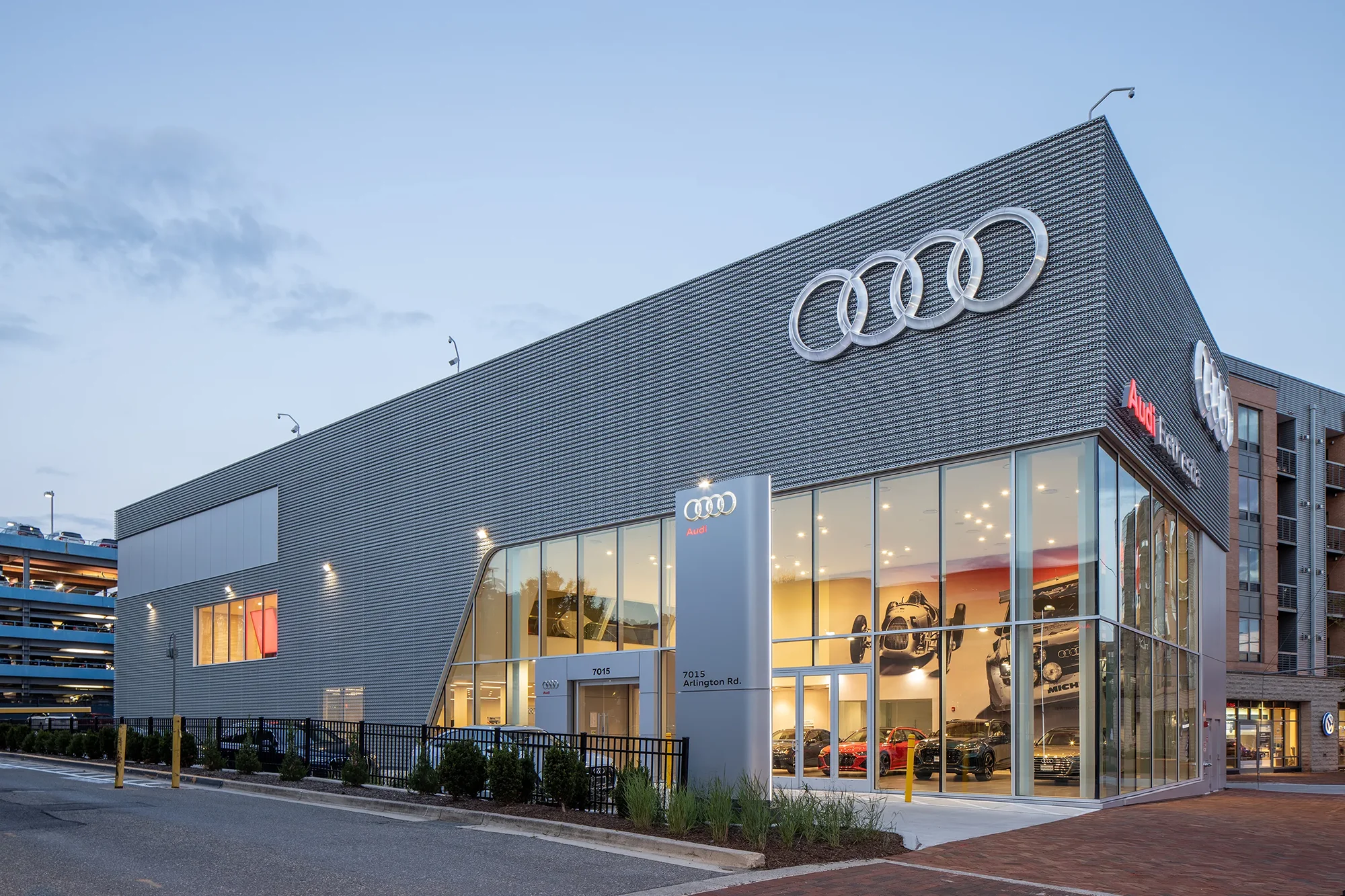
Audi’s design language emphasizes innovation and modernity. Their standards lean heavily on angular forms, bold branding elements, and a strong interplay of light and material. In our work on YBH Audi Devon, we interpreted these guidelines into a flagship facility that made the brand’s cutting-edge ethos tangible. From exterior lines that announced Audi’s presence along a major corridor to interior sightlines that guided customers seamlessly through the showroom, every element tied back to the brand’s identity.

gb 150428 3958 2

gb 150427 2395 b

Challenges and Opportunities

Adhering to OEM standards is not always simple. There are times when brand requirements conflict with zoning codes or when specified materials are not readily available in a particular market. In these cases, our role is to find alternatives that meet both the letter and spirit of the standard. This may involve sourcing equivalent materials, adjusting dimensions, or working with OEM representatives to secure approvals for minor modifications.

018 gb 190604 8675

gb 210615 3920

These challenges are also opportunities. They allow us to bring creative solutions to the table, blending brand consistency with local adaptation. Over time, this has become one of Penney Design Group’s strengths—helping clients meet global standards while delivering facilities that are tailored to their community.

mg 3230en

011 gb 190604 8601

The Bigger Picture

At the end of the day, OEM standards are about more than finishes and façades. They are about trust. Customers trust that their brand experience will be consistent and that the space they enter will reflect the quality of the vehicle they are considering. Dealership owners trust that their investment in a compliant facility will support their relationship with the manufacturer and enhance their business performance.

For us, these projects are about trust as well. Our clients trust Penney Design Group to navigate the complexity, interpret the requirements, and deliver a building that not only complies but excels. Whether it’s Porsche, Lexus, Audi, or any other OEM, we take pride in turning standards into spaces that inspire.