Facades+ 2026: Penney Design Group Explores the Future of Building Envelopes in Washington, D.C.
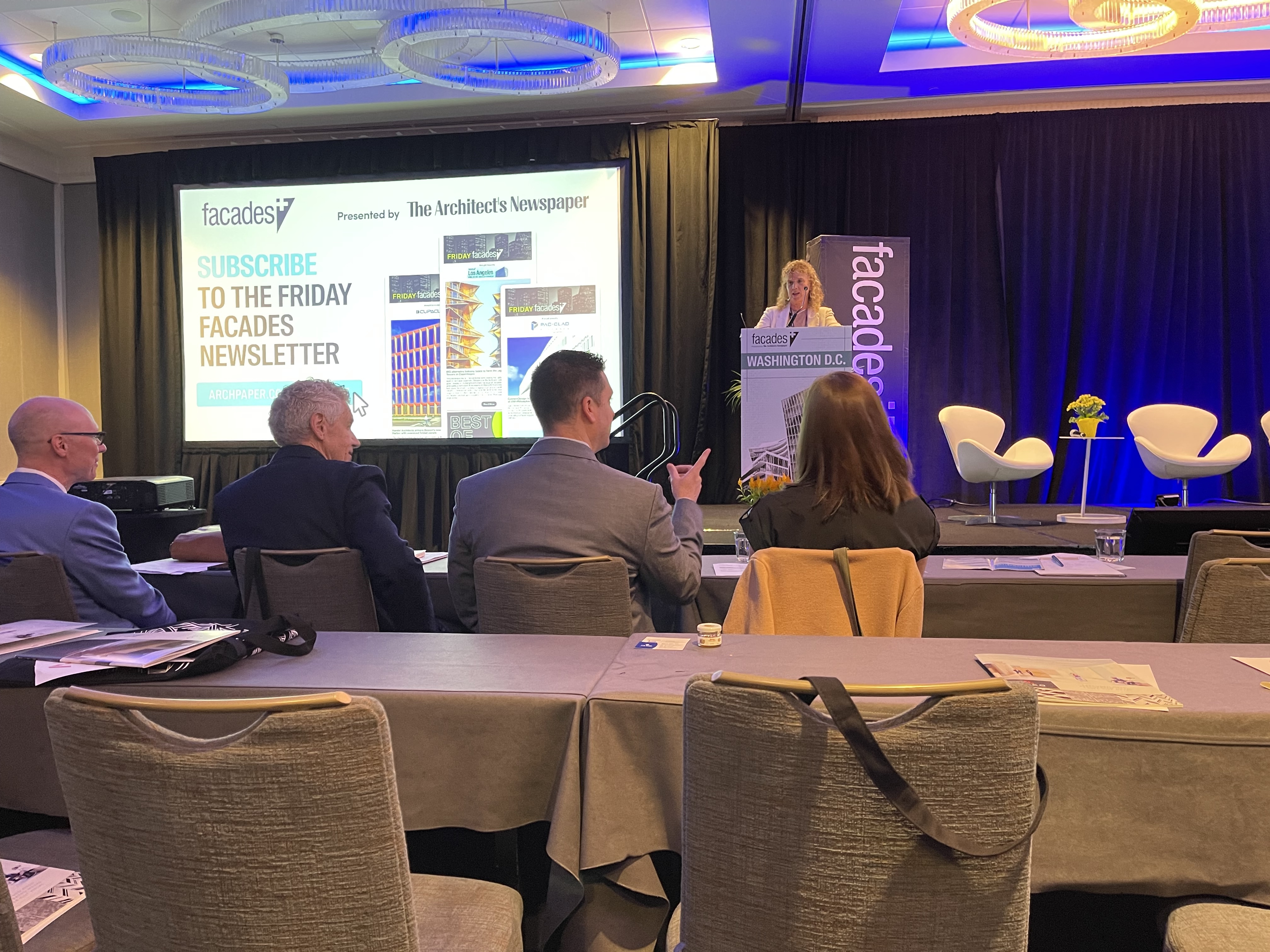
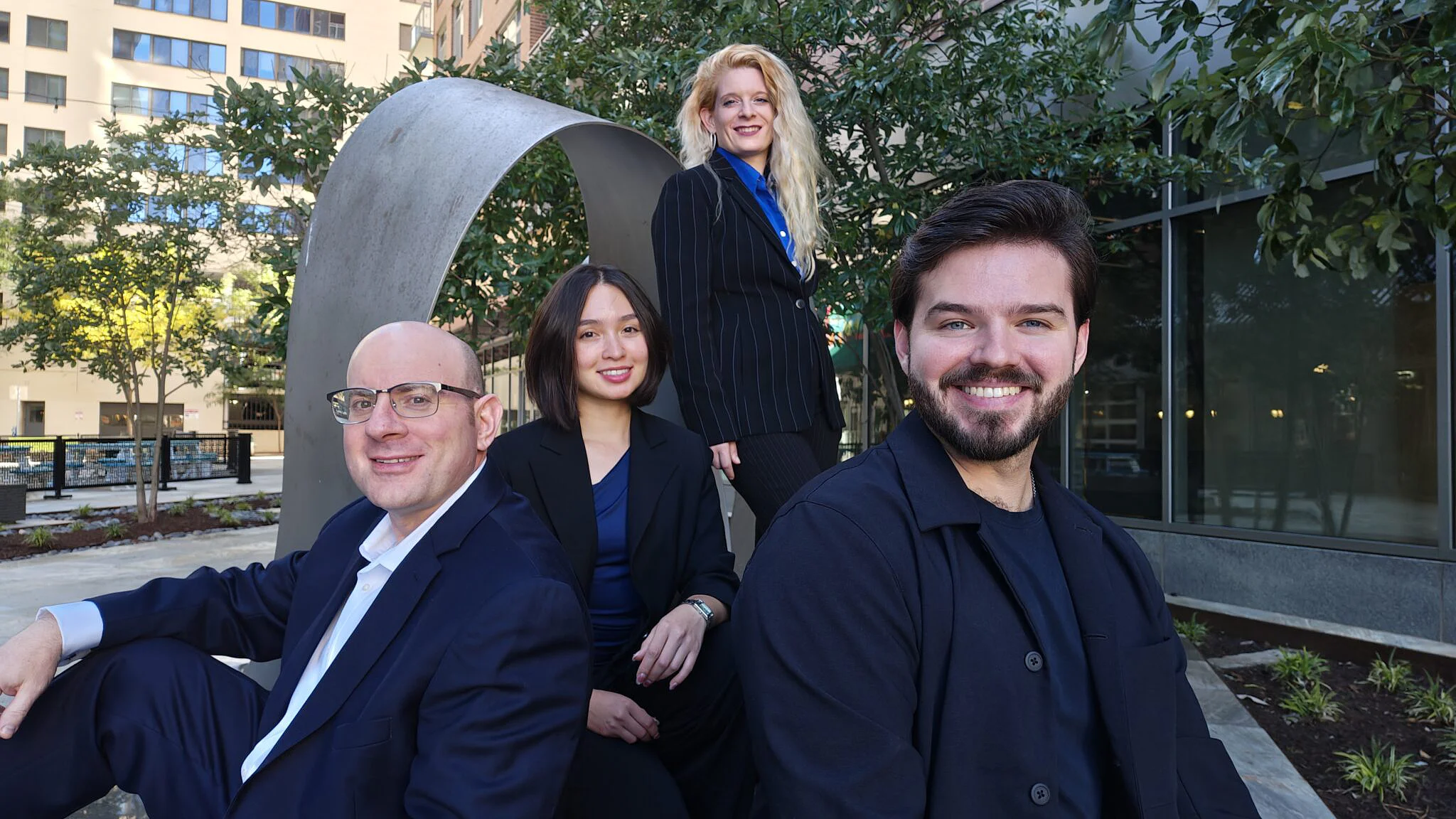
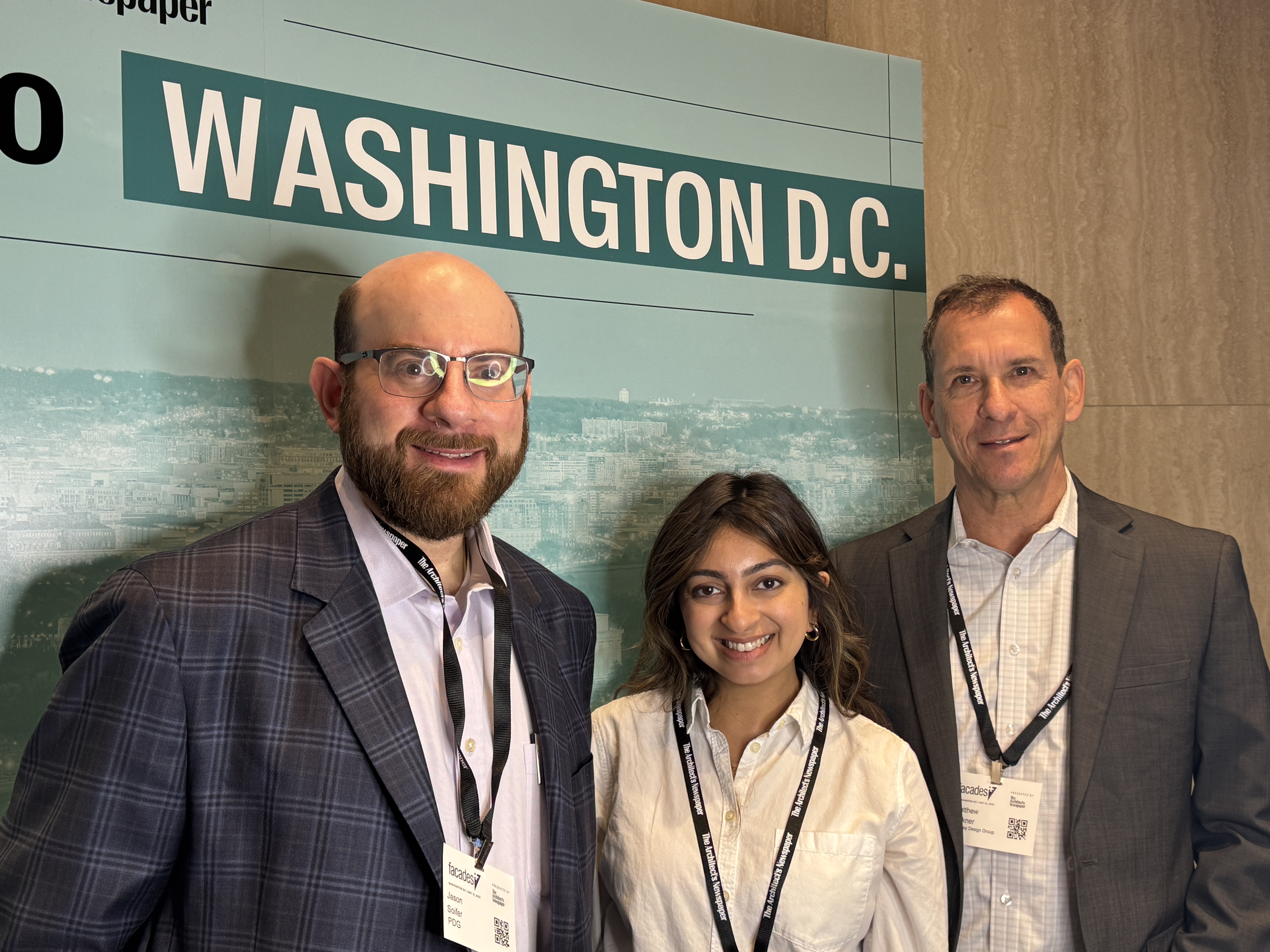
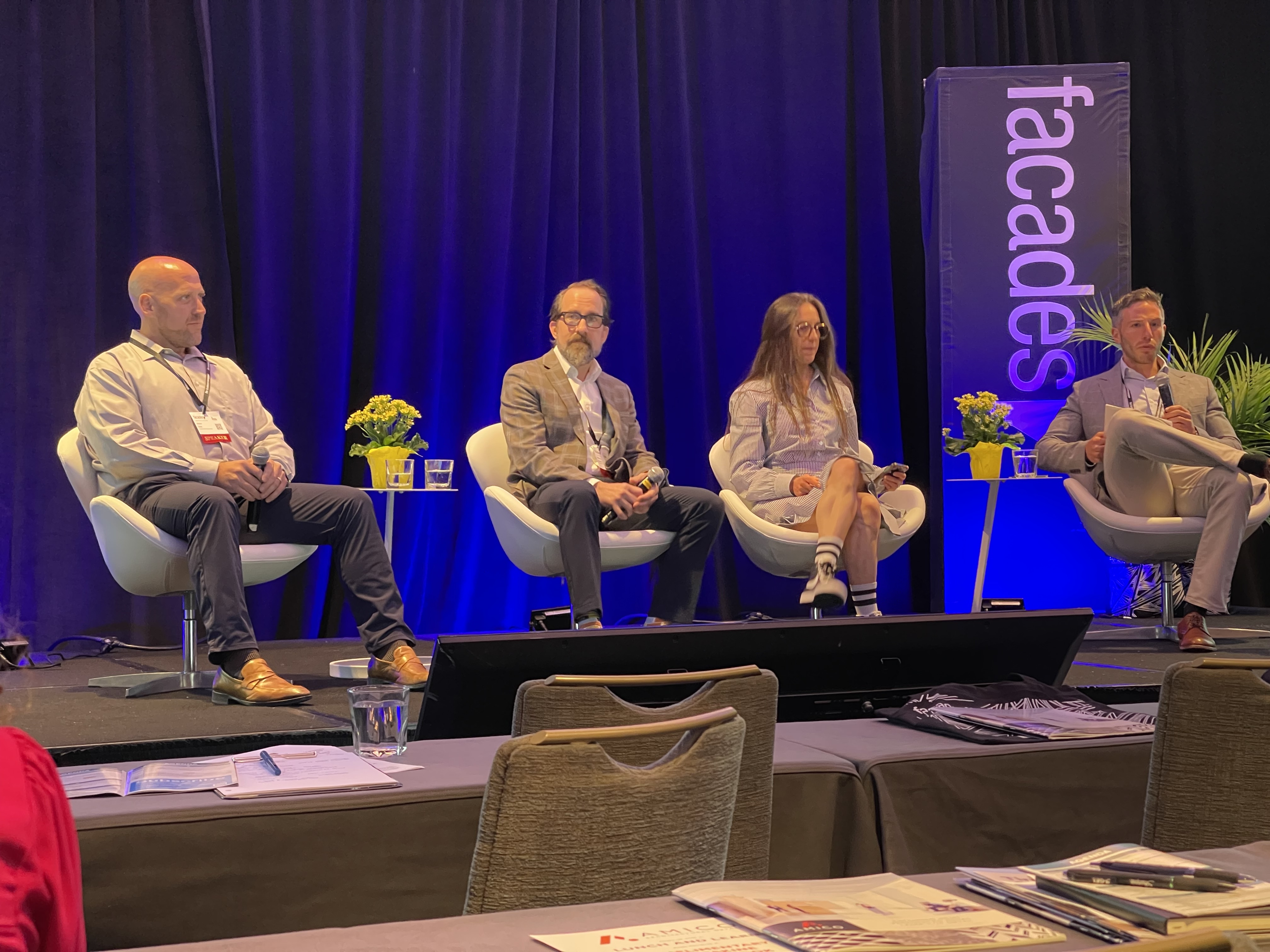
This May, members of the Penney Design Group team attended the Facades+ Conference in Washington, D.C., hosted by The Architect’s Newspaper at the Grand Hyatt Washington DC.
The conference brought together architects, engineers, façade consultants, manufacturers, and design leaders from across the country for a full day of presentations, technical discussions, and networking centered around the future of building envelopes and high-performance design.
In addition to the symposium sessions, attendees explored the conference’s Methods + Materials Expo, which featured emerging technologies, innovative façade systems, and material solutions shaping the next generation of architectural design.
From emerging façade technologies to thoughtful conversations about sustainability, adaptability, and user experience, the conference offered valuable insights that continue to shape the way we think about architecture and design at PDG.
A Day Focused on Innovation and Adaptability
One theme that resonated throughout the conference was versatility in façade systems and how layered building envelopes can respond to changing environmental, functional and human needs.
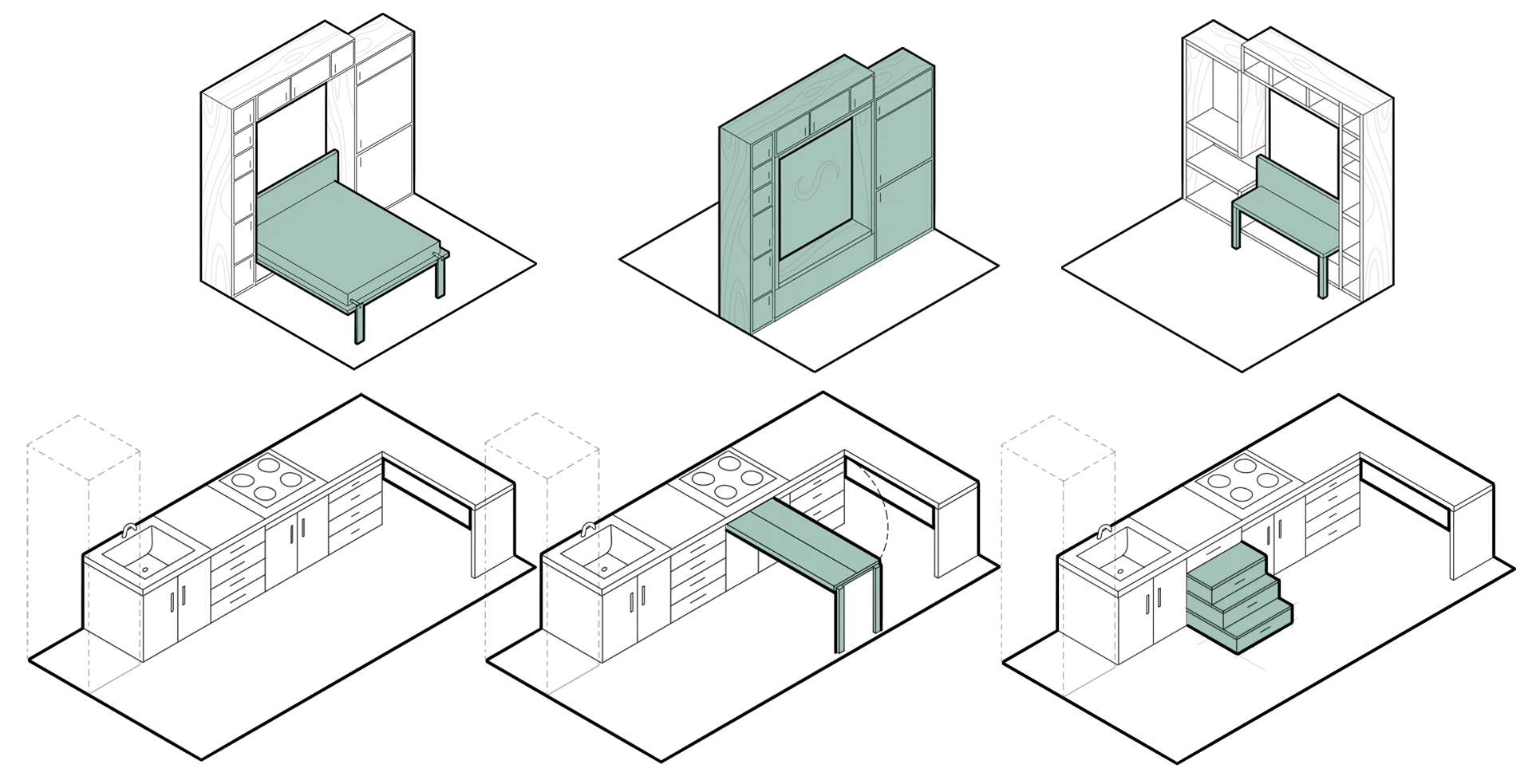
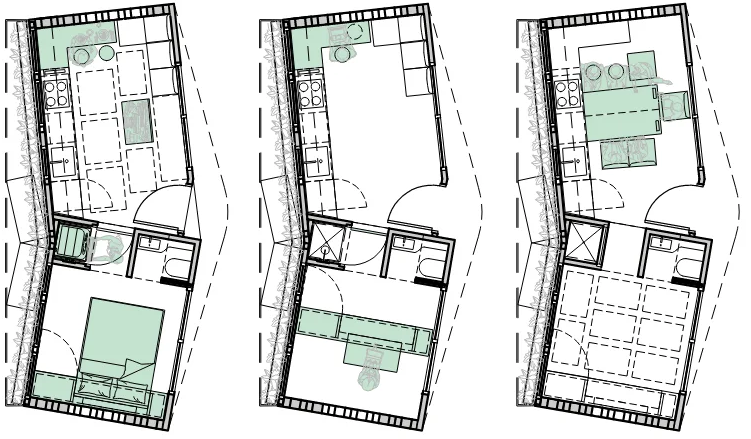
One session titled “A Flexible, Layered System” explored how multi-component façade assemblies can create depth, shading, daylight control, and ventilation while supporting long-term performance and adaptability. The conceptual sketches and diagrams shared during the presentation illustrated how building envelopes are increasingly designed as responsive systems rather than static exterior skins.
Throughout the day, presenters discussed how façade systems are evolving to address increasingly complex demands related to energy performance, climate resilience, occupant wellness, and long-term adaptability. Sessions highlighted topics including embodied carbon reduction, bio-based materials, daylight optimization, mass timber integration, and adaptive reuse strategies for existing buildings.
Several presentations also emphasized the importance of interdisciplinary collaboration between architects, façade engineers, contractors, and manufacturers early in the design process to successfully balance technical performance with architectural intent — an approach that strongly aligns with the integrated design philosophy we value at Penney Design Group.

Real-World Transformation Through Envelope Design
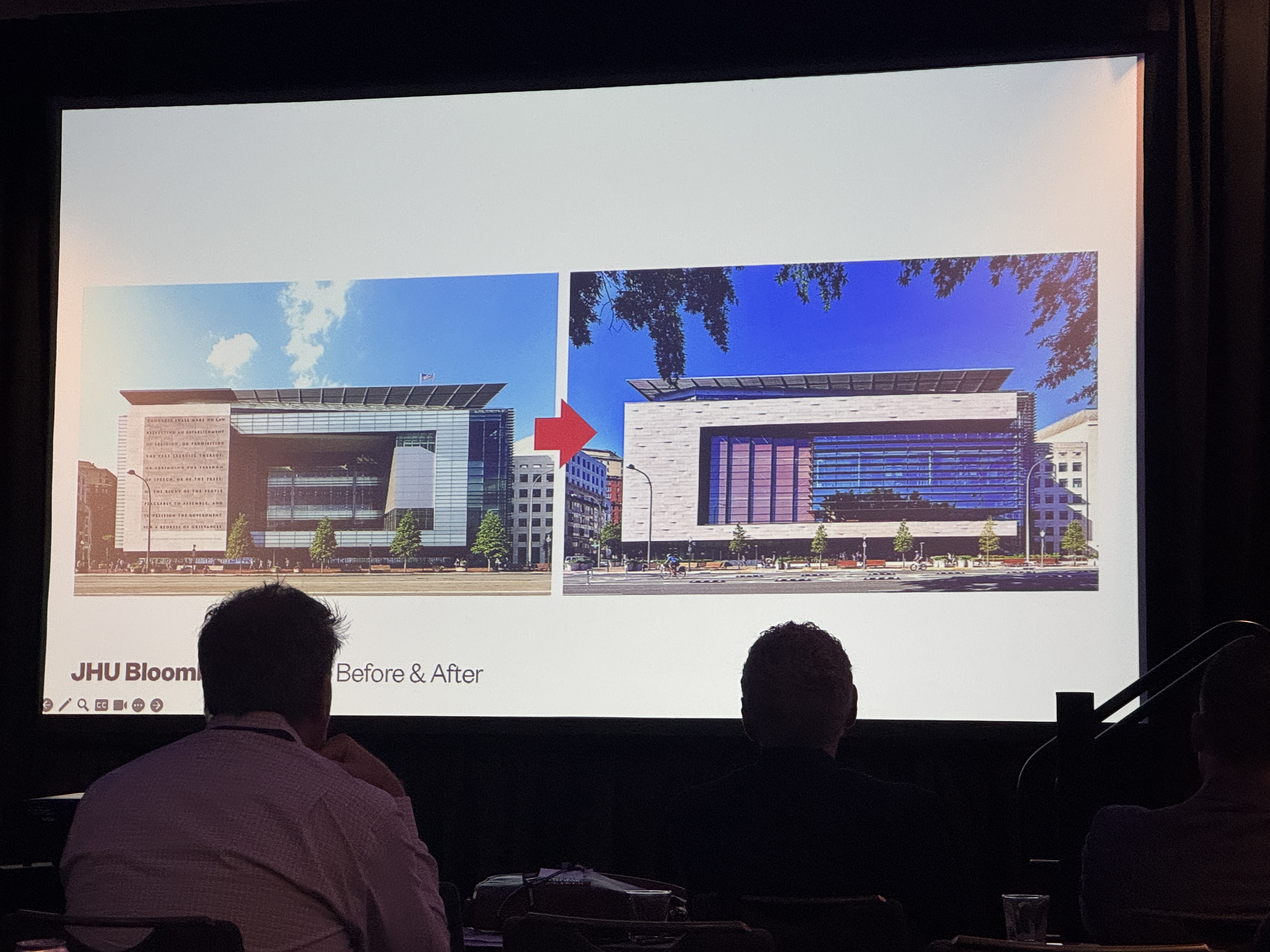
One particularly memorable presentation showcased a dramatic “before and after” façade transformation for the Bloomberg Center at Johns Hopkins University. The project demonstrated how recladding and envelope modernization can radically alter a building’s visual identity along with improving its daylighting, energy performance, and occupant experience.
The case study reinforced one of the conference’s central ideas: today’s façades are no longer viewed simply as enclosure systems, but as active contributors to sustainability, comfort, identity, and long-term building performance.
For our team, these examples highlighted how thoughtful envelope design can help create buildings that are not only technically high-performing, but also visually engaging and deeply connected to the communities they serve.
Storytelling Through Architecture
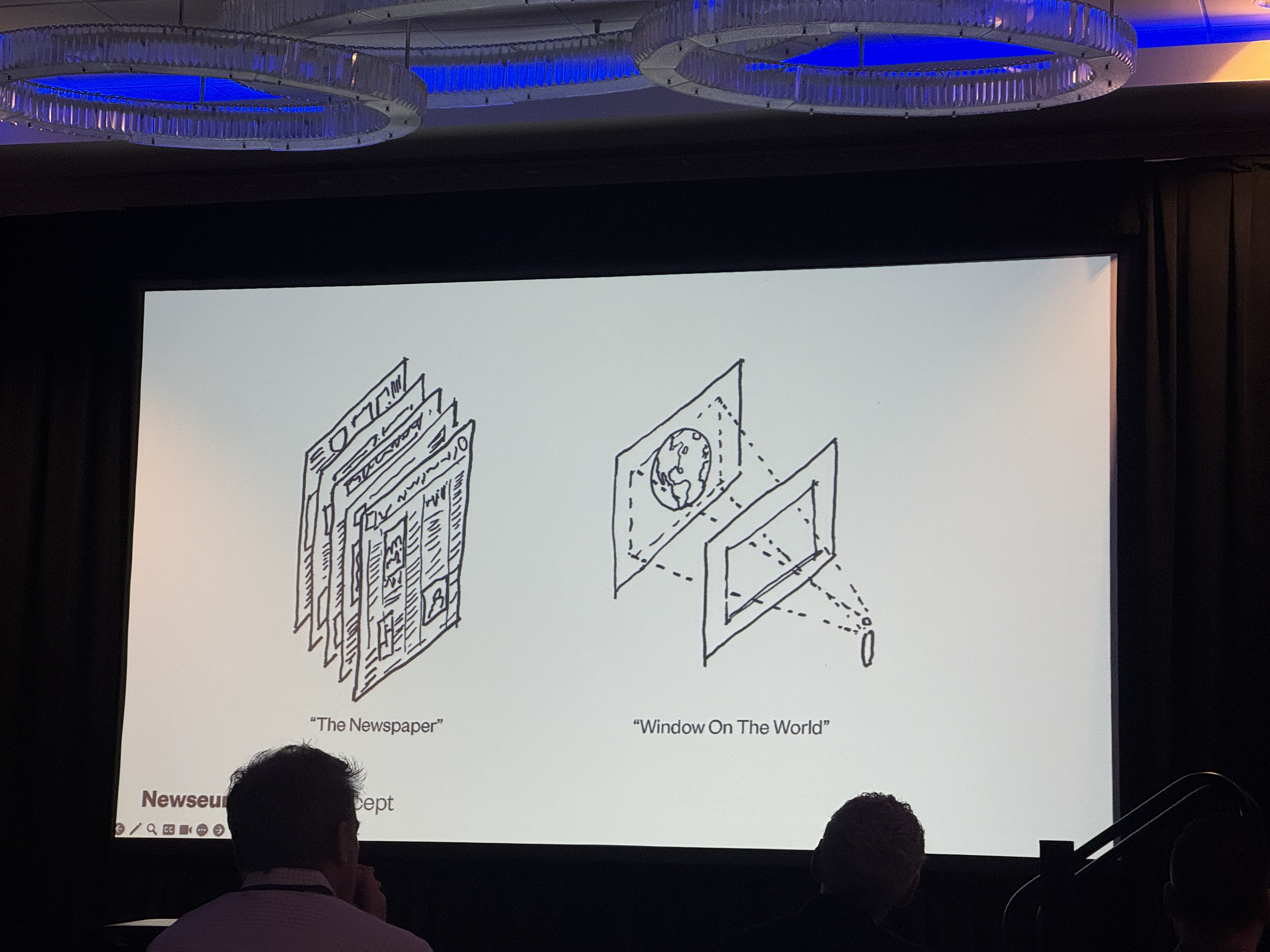
Another memorable concept presented during the conference described the façade as both a “newspaper” and a “window on the world.”
These discussions explored how building envelopes communicate information, identity, transparency, and experience. Beyond performance metrics alone, façades help tell a story about the purpose of a building and its relationship to the surrounding community.
For our team, this sparked meaningful conversations about how architecture can simultaneously serve functional demands while also creating memorable, human-centered experiences. Whether designing educational facilities, civic spaces, workplaces, or mixed-use developments, the idea that façades can communicate a building’s purpose and essential character is increasingly relevant in the discussion of today’s built environment.
Sustainability and Performance Continue to Drive Design
Sustainability remained a major focus throughout the conference. Sessions explored how high-performing façade systems contribute to:
- Improved energy efficiency
- Reduced operational carbon
- Enhanced occupant comfort
- Daylighting optimization
- Long-term building resilience
Many presenters emphasized how rapidly sustainability standards, façade technologies, and building performance expectations continue to evolve across the industry. Discussions frequently returned to the importance of early collaboration between architects, engineers, contractors, and manufacturers to create systems that successfully integrate durability, constructability, environmental responsibility, and design excellence.
For the PDG team, these conversations reinforced many of the priorities already shaping our own work surrounding durable materials, energy-conscious detailing, adaptable building systems, and integrated project collaboration.
Bringing Ideas Back to the Studio
Professional events like Facades+ Conference provide valuable opportunities to step outside day-to-day project work and engage with broader industry conversations. In addition to technical presentations, the conference created space for networking and dialogue among peers across the architecture, engineering, and construction industries.
Our team returned inspired by the innovative work being shared across the profession and energized by the opportunity to apply new ideas, technologies, and collaborative approaches to future projects.
At Penney Design Group, we believe continued learning and collaboration are essential to creating thoughtful, forward-looking architecture. We are proud to support our team’s involvement in events that encourage design exploration, technical growth, and meaningful industry connections.
We look forward to continuing these conversations and bringing fresh perspectives and new ideas into our work.