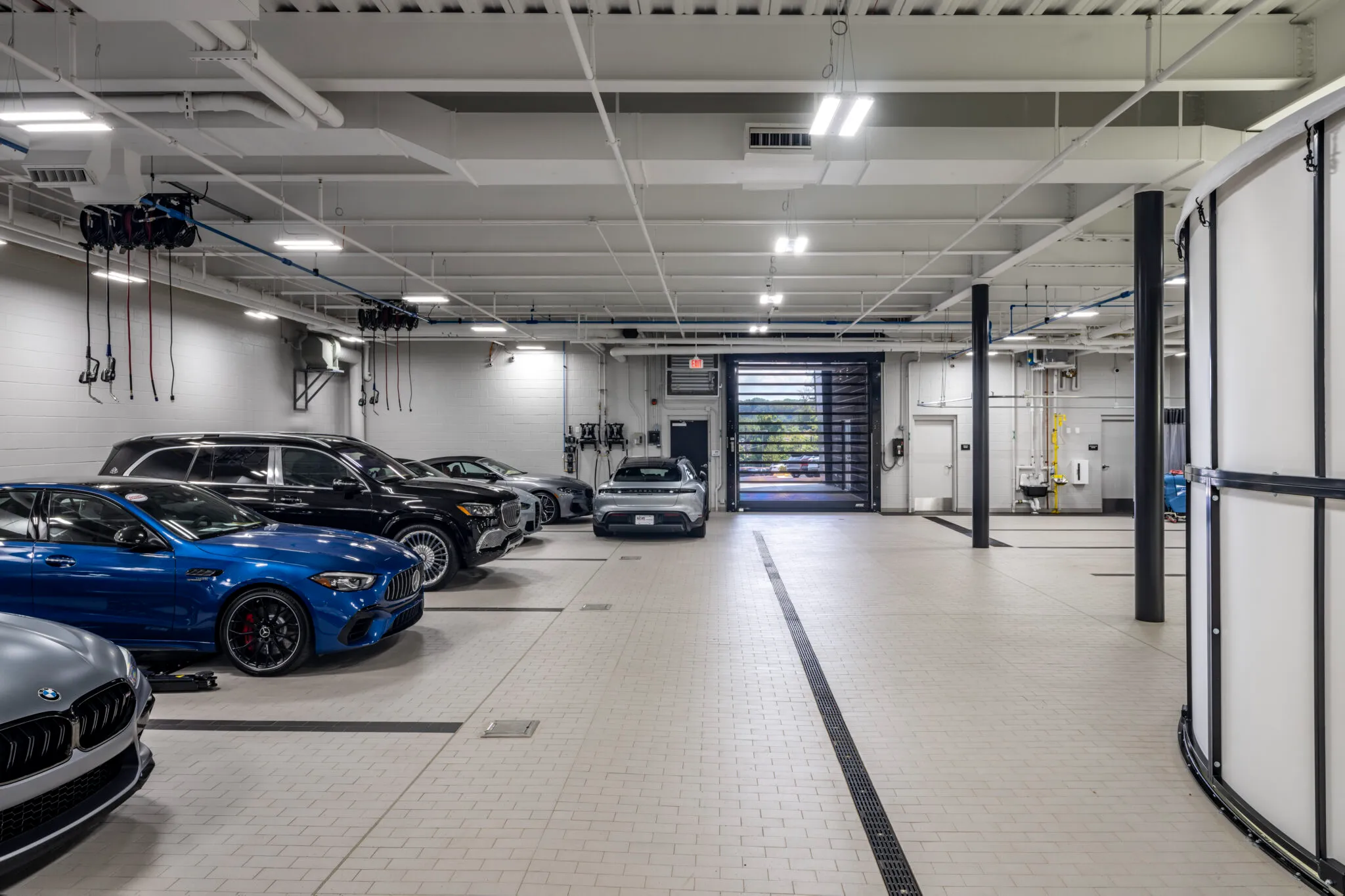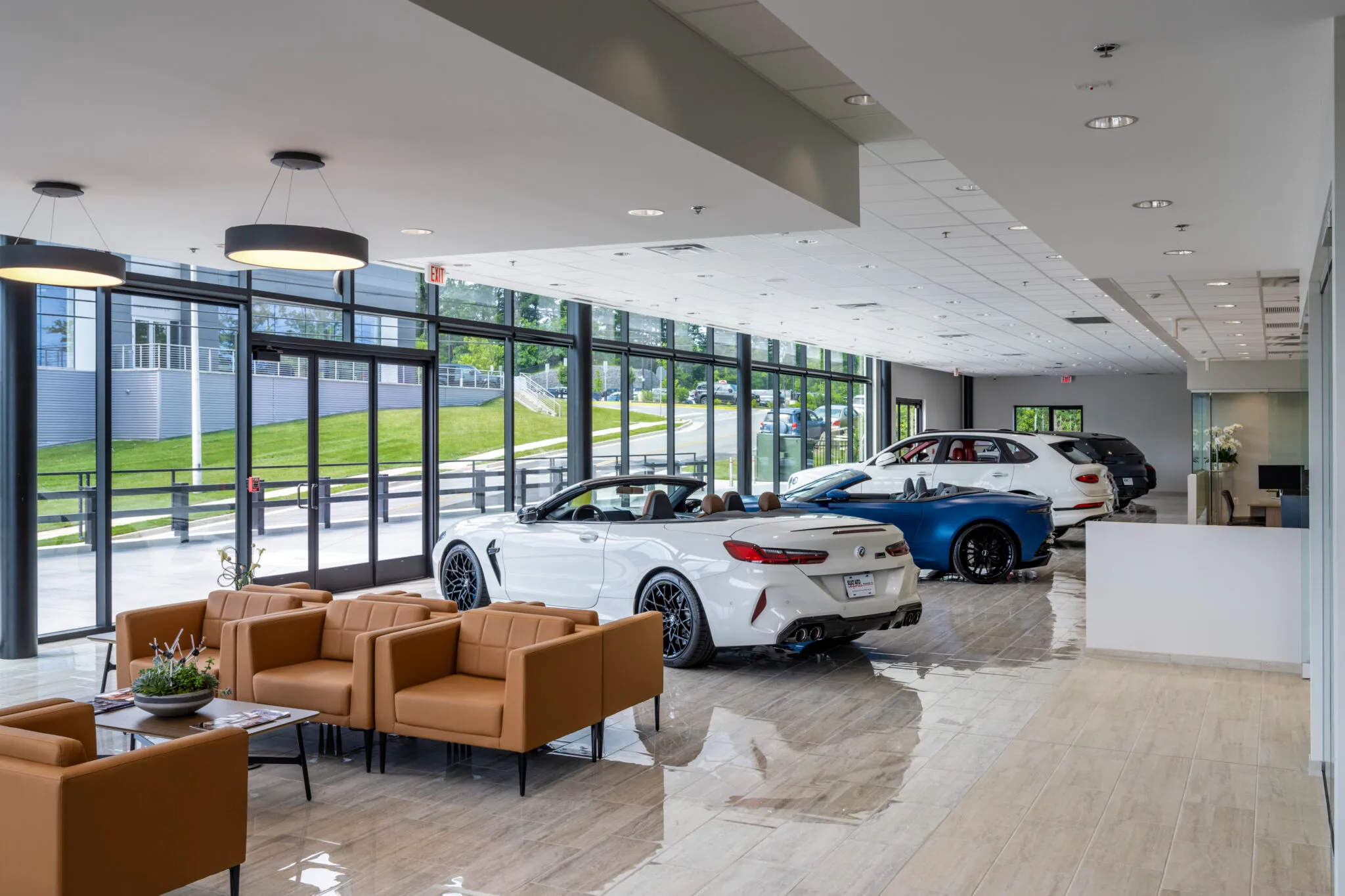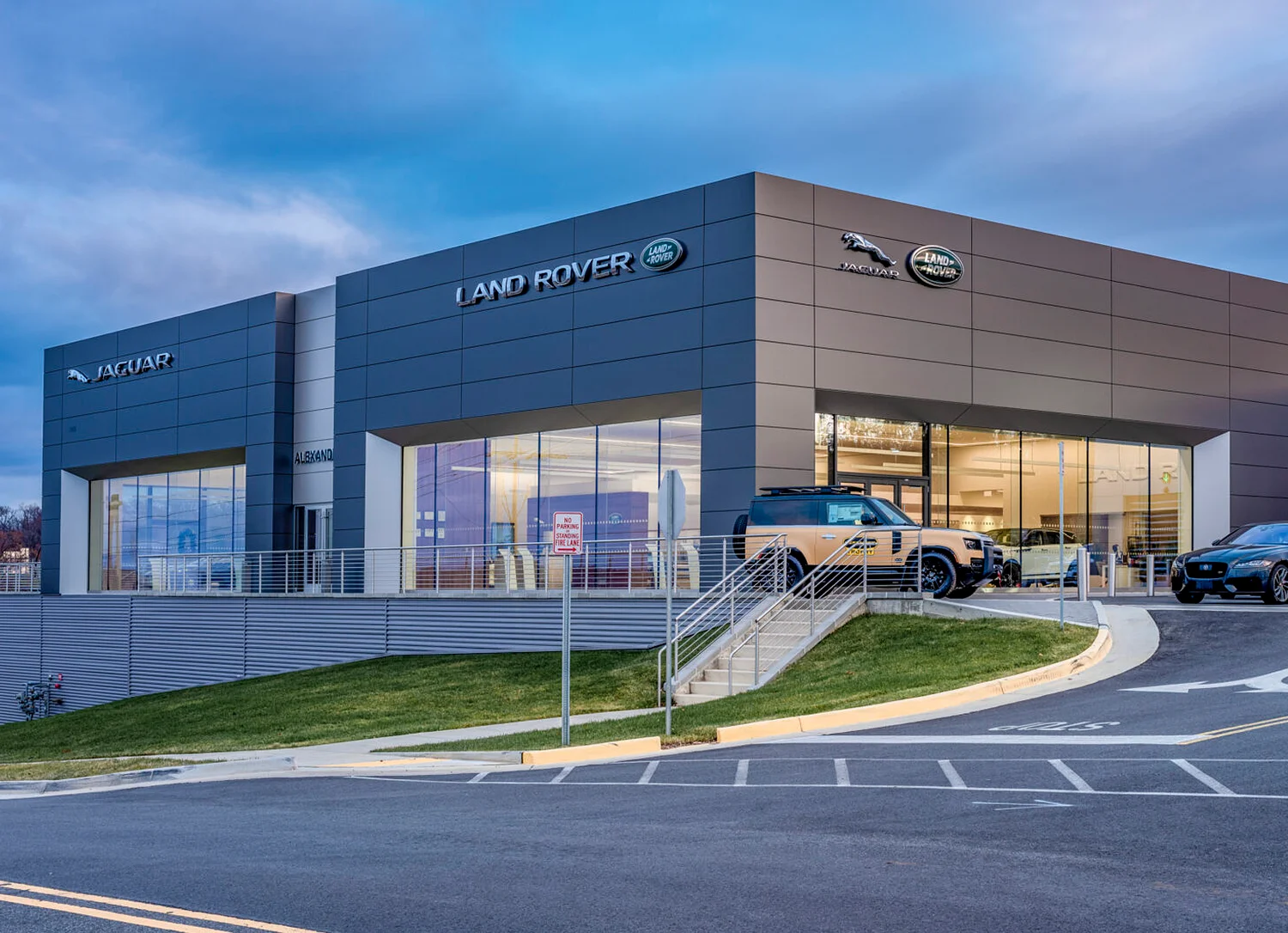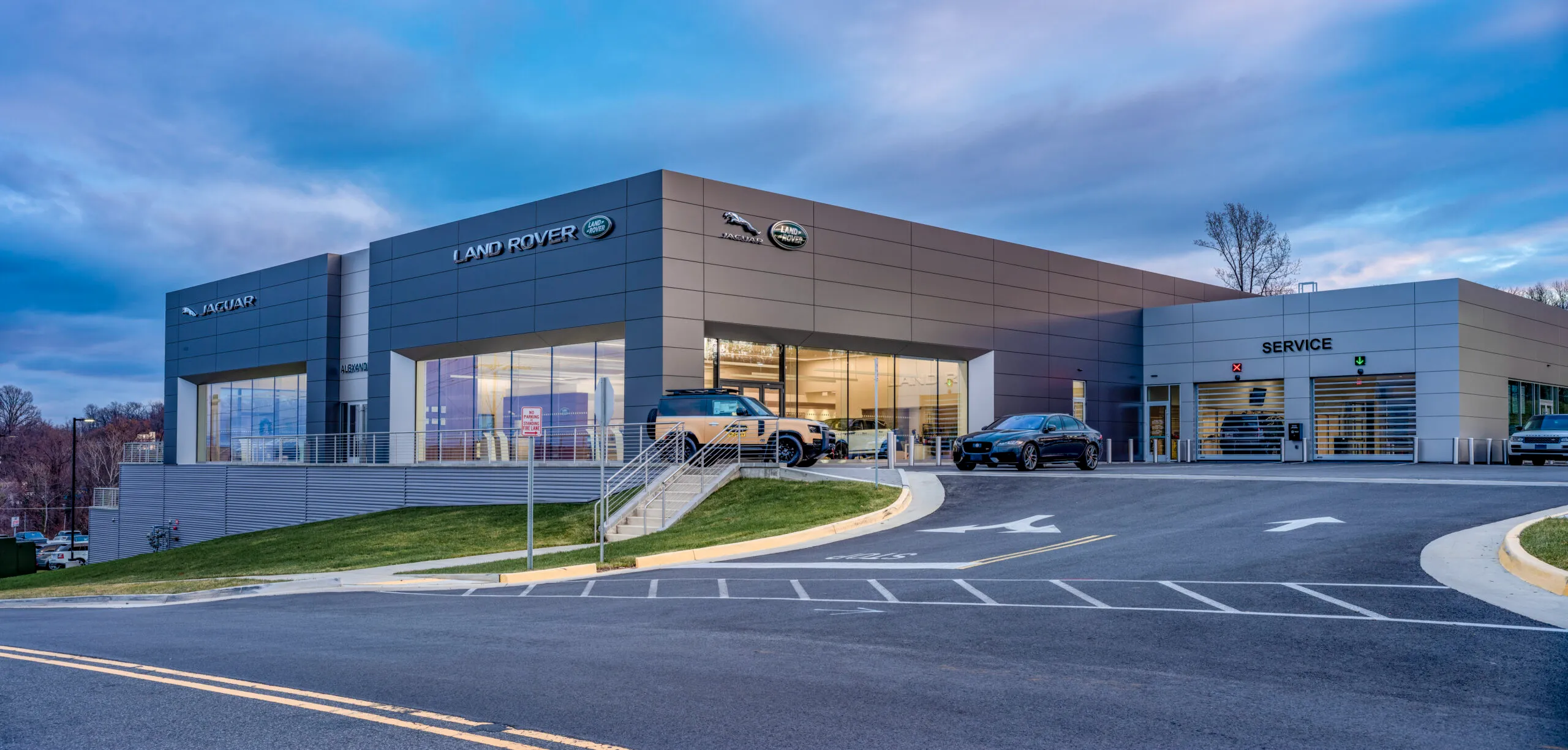
From Vision to Viability: Developing a Project Design Concept

Every successful project begins with a clear design vision; turning that vision into a buildable, durable, and client-approved reality takes strategy, collaboration, and expertise. Within an architecture firm, interior designers play a critical role in bridging conceptual ideas with real-world application. From early inspiration through detailed finish selection, interior design is integral to shaping how a space looks, feels, and performs.
from vision to viability developing a project design concept 1

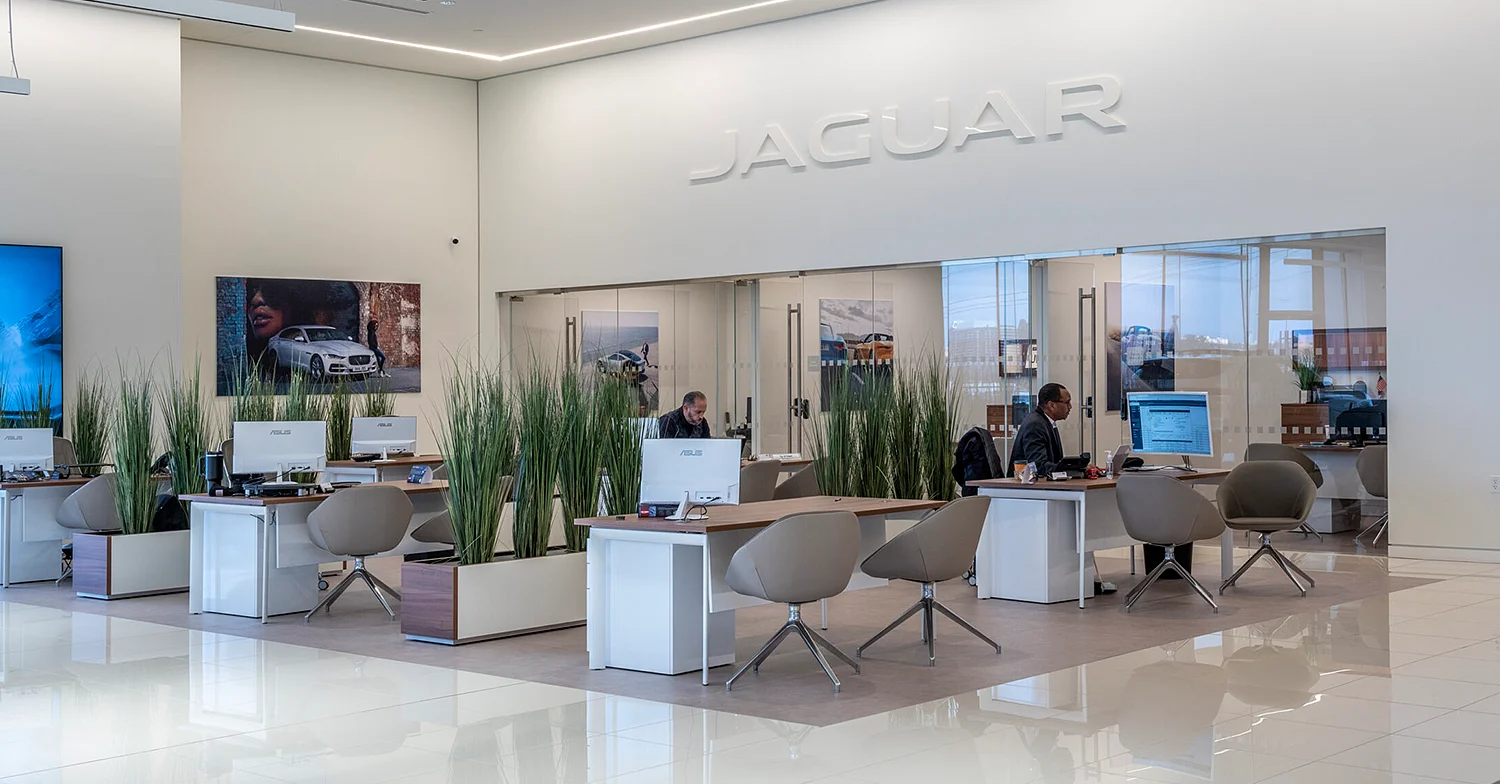
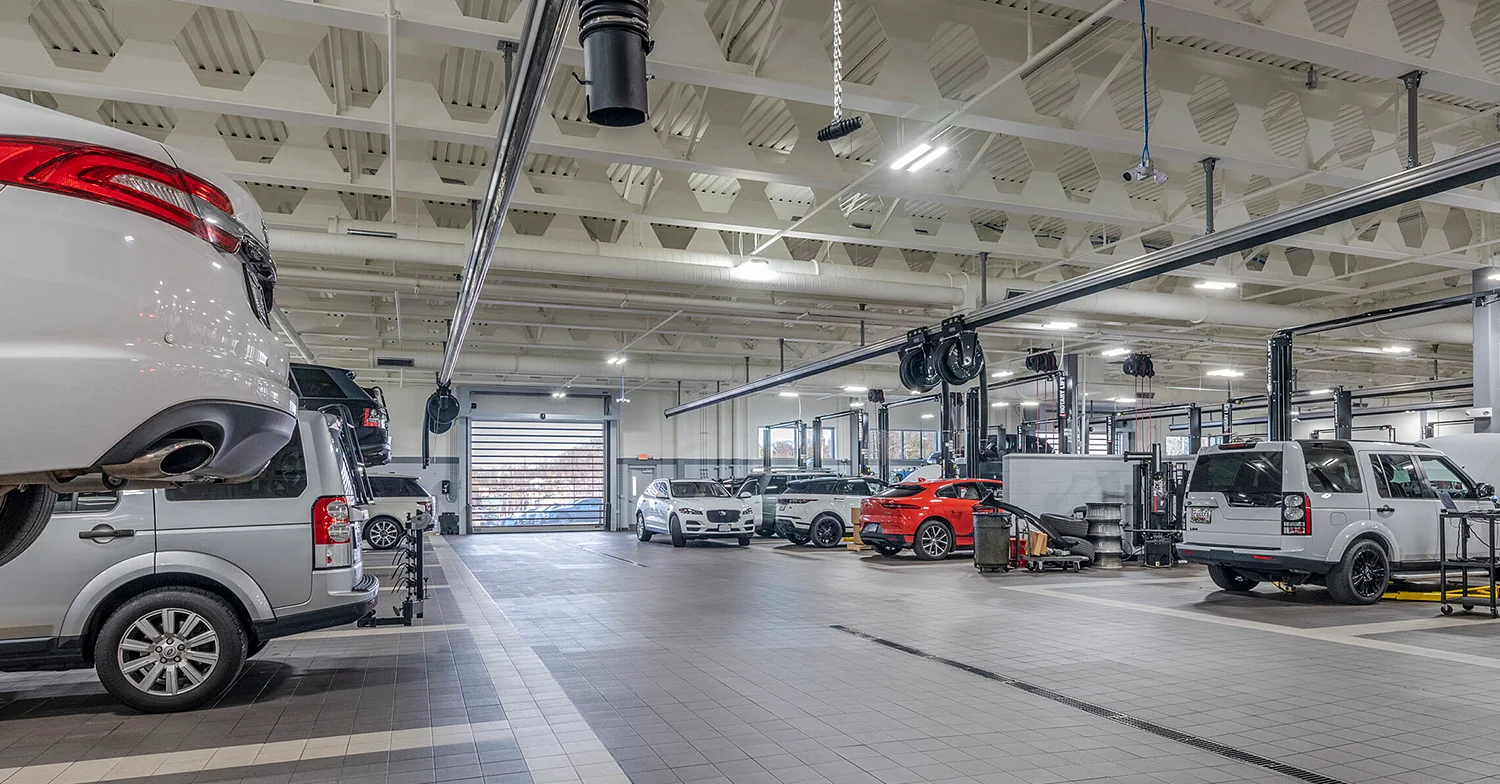
At Penney Design Group, interior design is fully integrated into our architectural practice. While we are widely recognized for automotive architecture, our work spans many facets of commercial and residential design, including multifamily, workplace, retail, and mixed-use projects. Across all project types, the same design principles apply; thoughtful coordination, material integrity, and a strong conceptual foundation.
from vision to viability developing a project design concept 2

Interior Design Within an Architecture Practice

In an integrated architecture and interior design environment, designers are involved from the earliest stages of a project. Rather than applying finishes at the end of the process, interior designers work alongside architects to help define the overall design concept; ensuring that interior materials, colors, and textures reinforce the architectural intent.

This collaborative approach allows design decisions to respond directly to building form, program, brand identity, and user experience. Whether the project is a commercial showroom, a multifamily residential building, or a private interior, the goal is always cohesion; spaces that feel intentional, functional, and aligned with the client’s vision.
from vision to viability developing a project design concept 3

Establishing the Design Concept

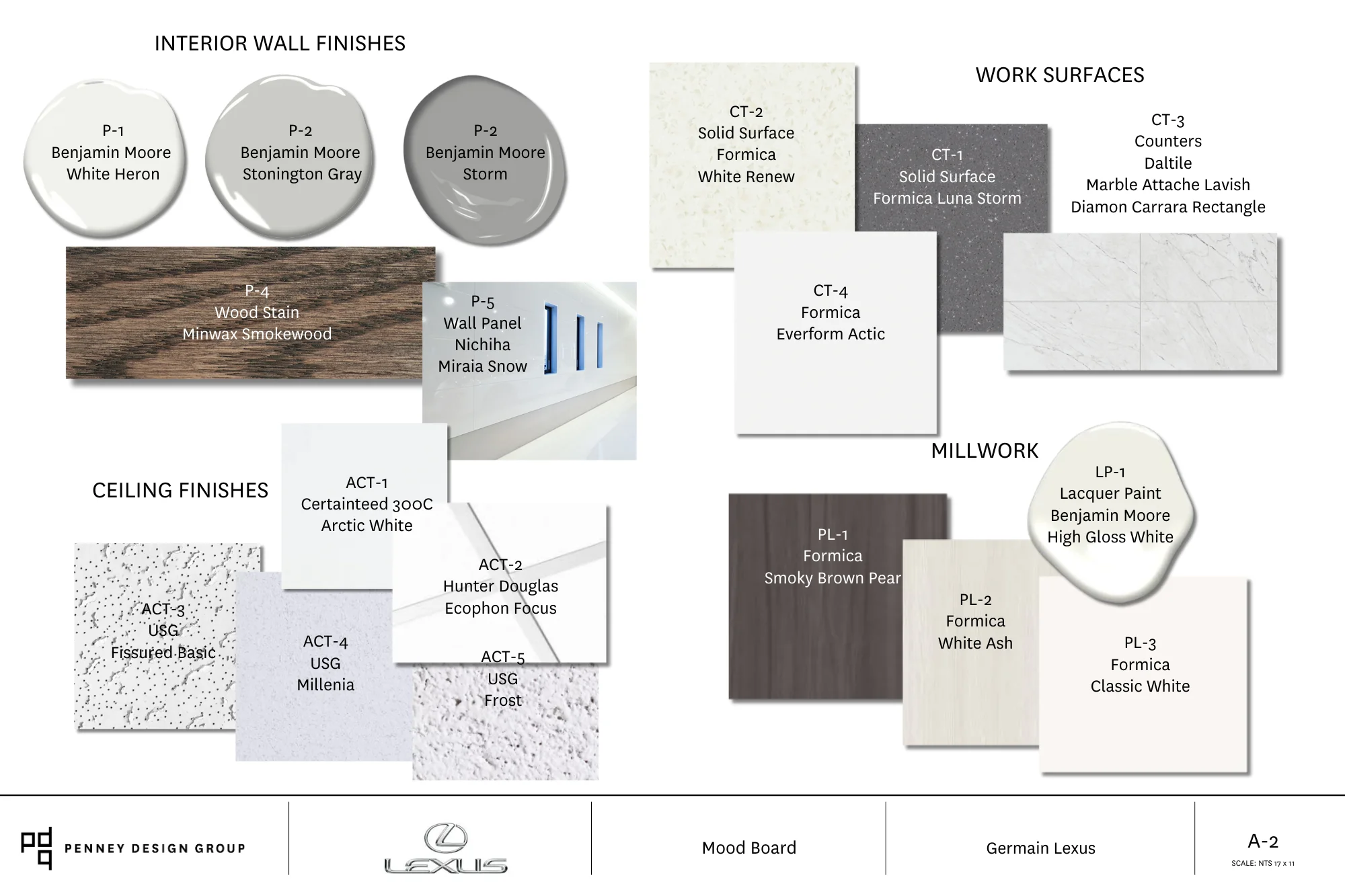
Concept development begins with understanding context; who the client is, how the space will be used, and what the project needs to communicate. Interior designers translate these inputs into a design direction that balances aesthetics with performance requirements such as durability, maintenance, acoustics, and budget.

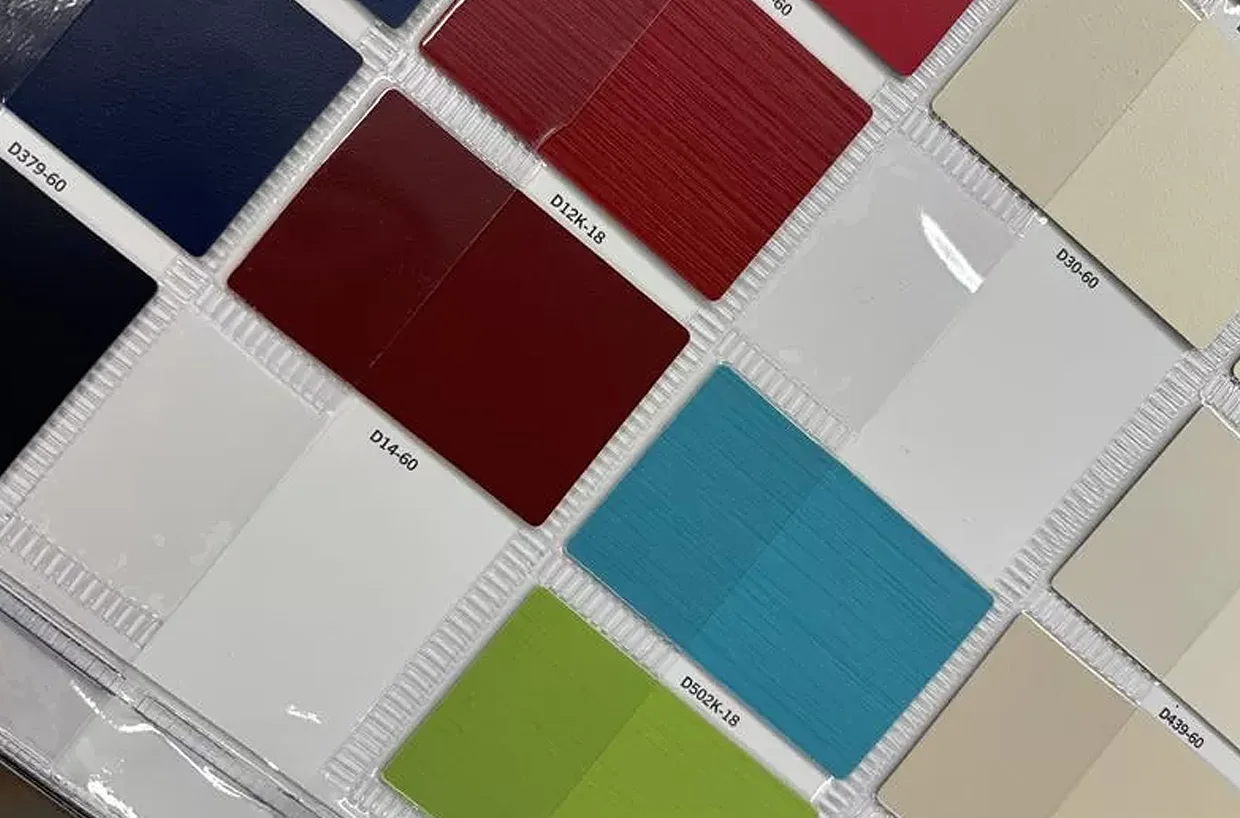
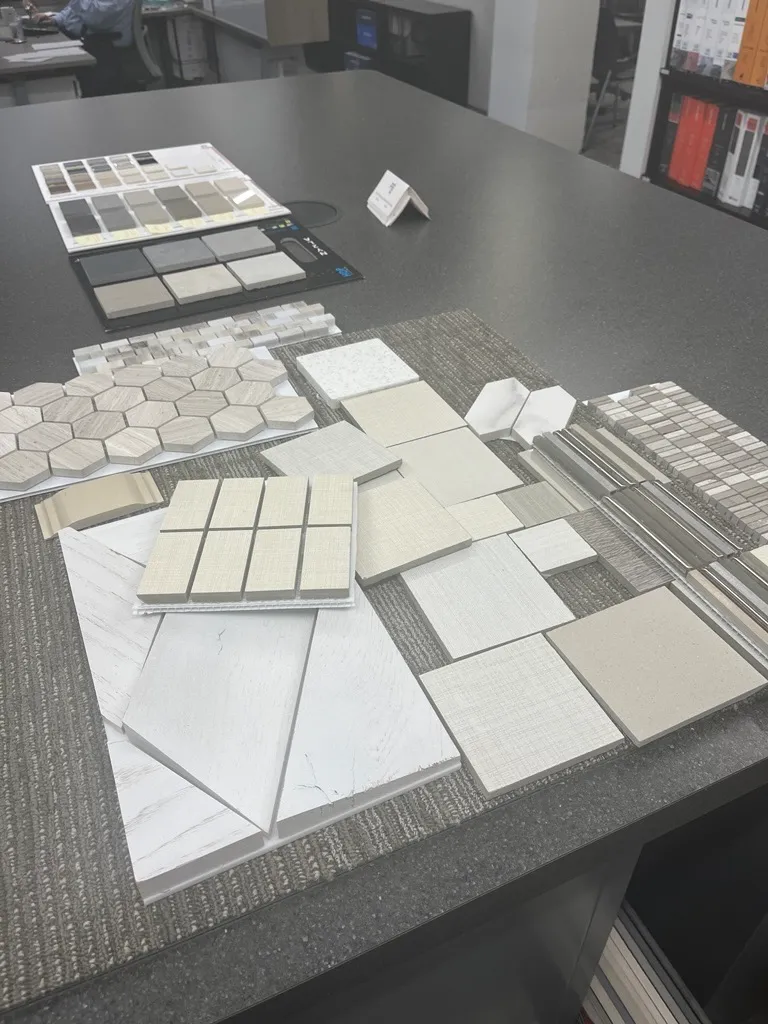
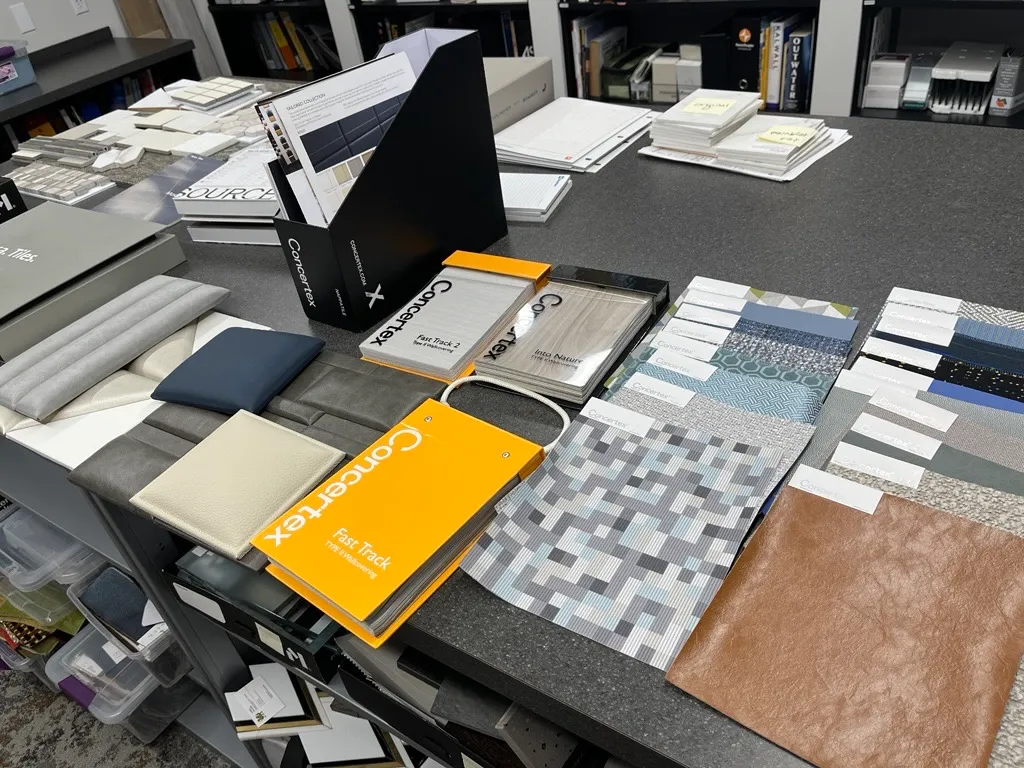
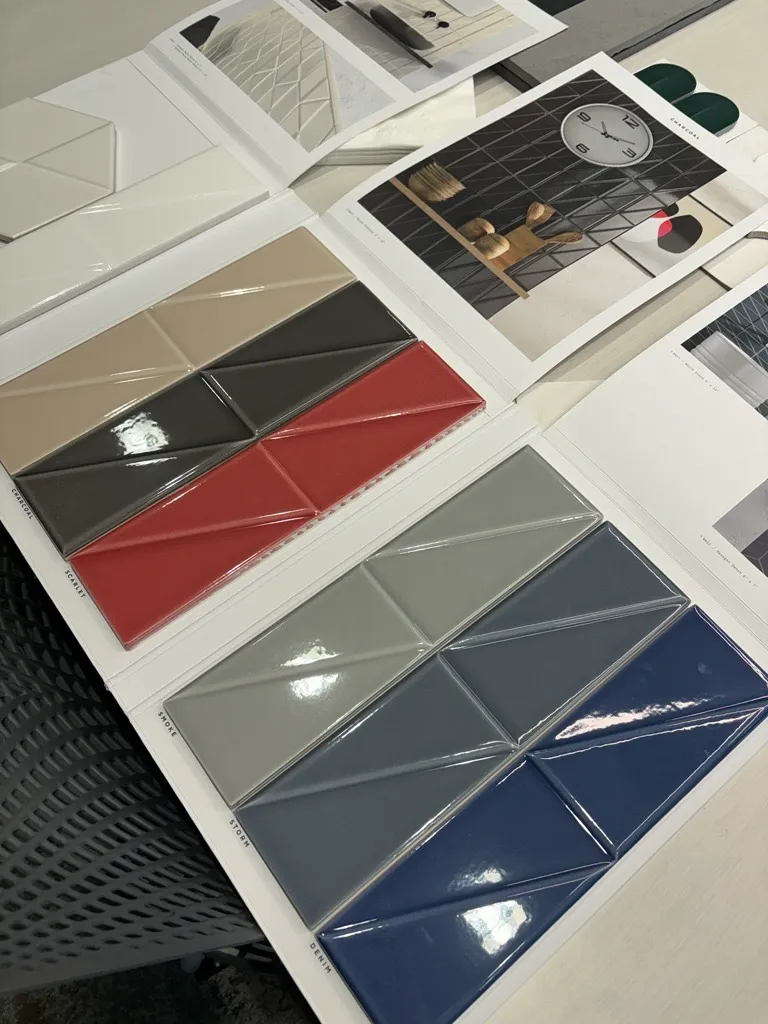
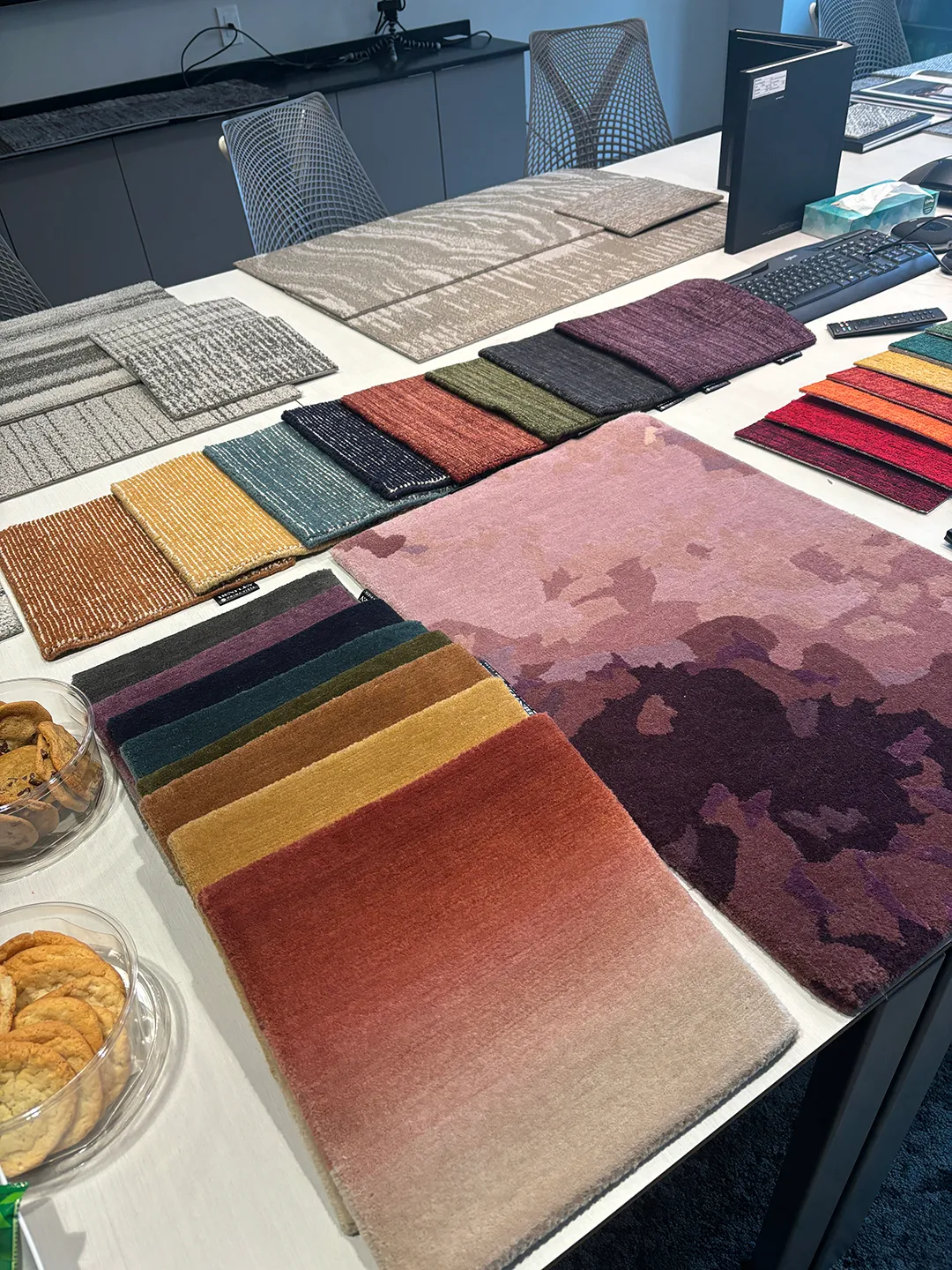
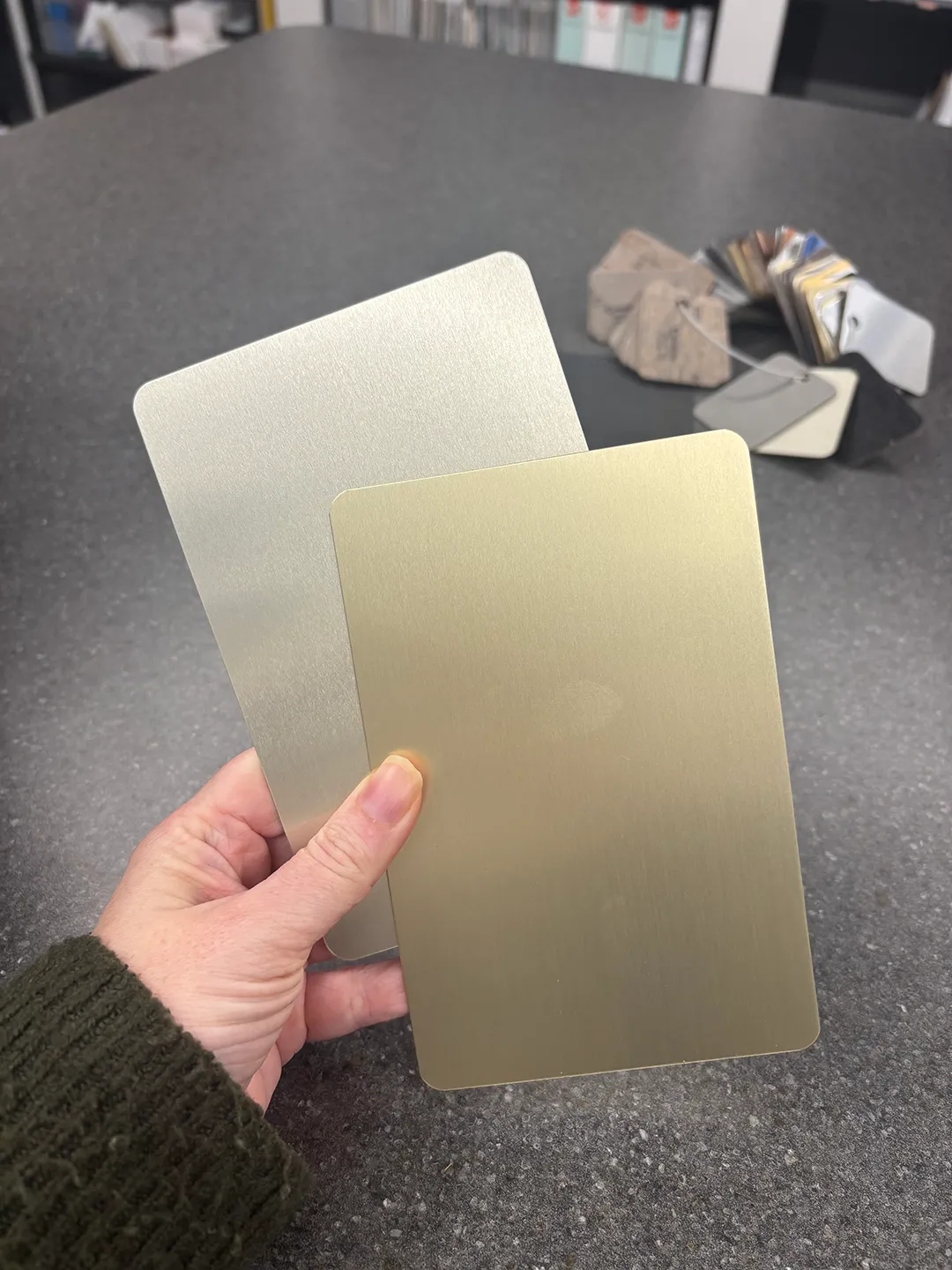
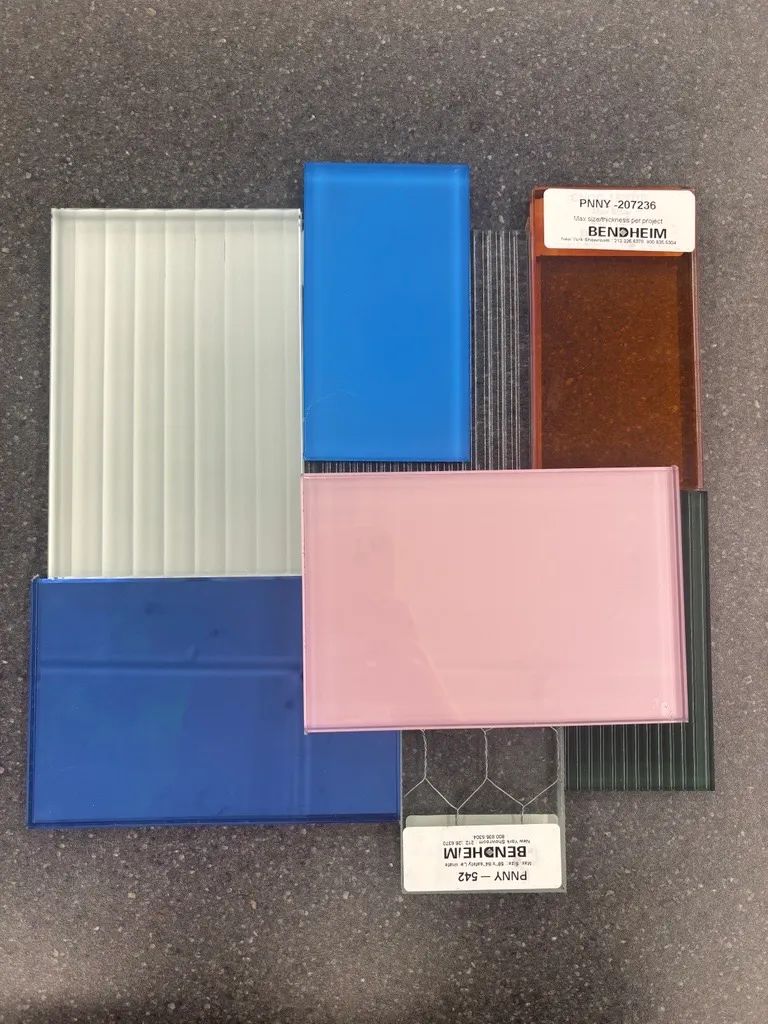
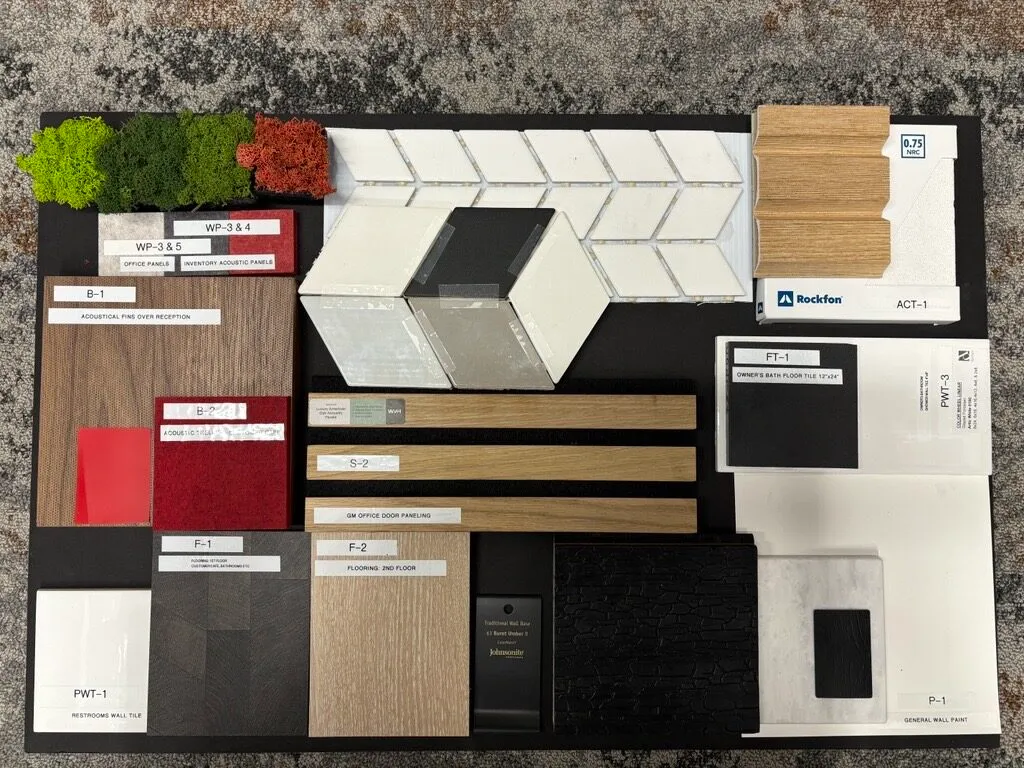
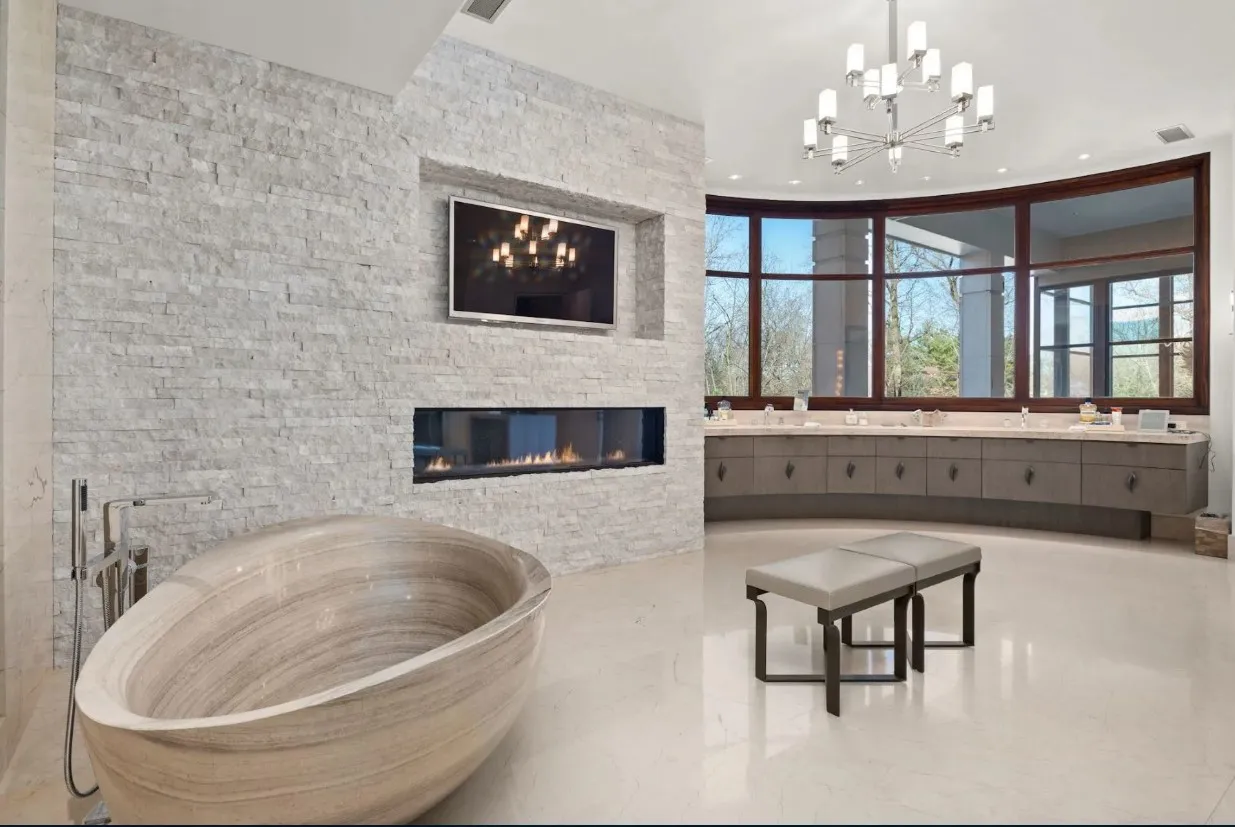
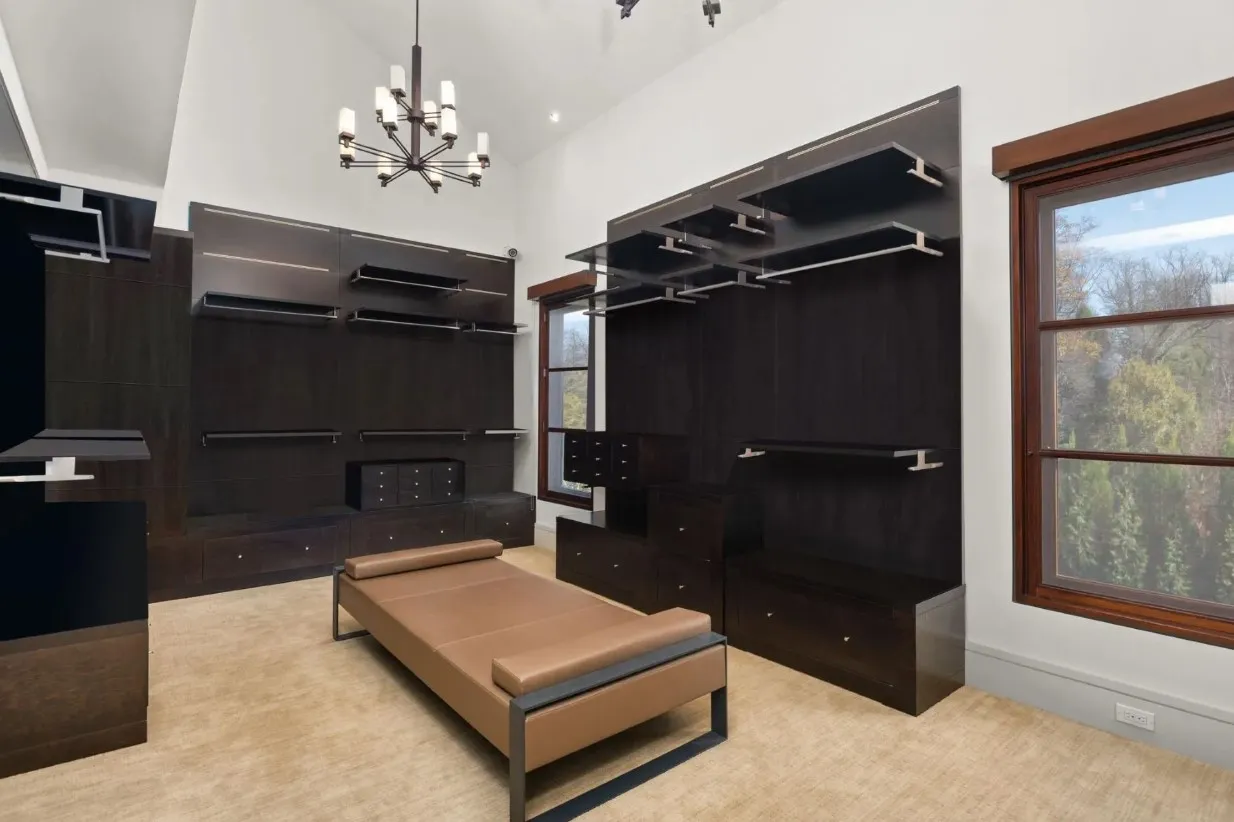
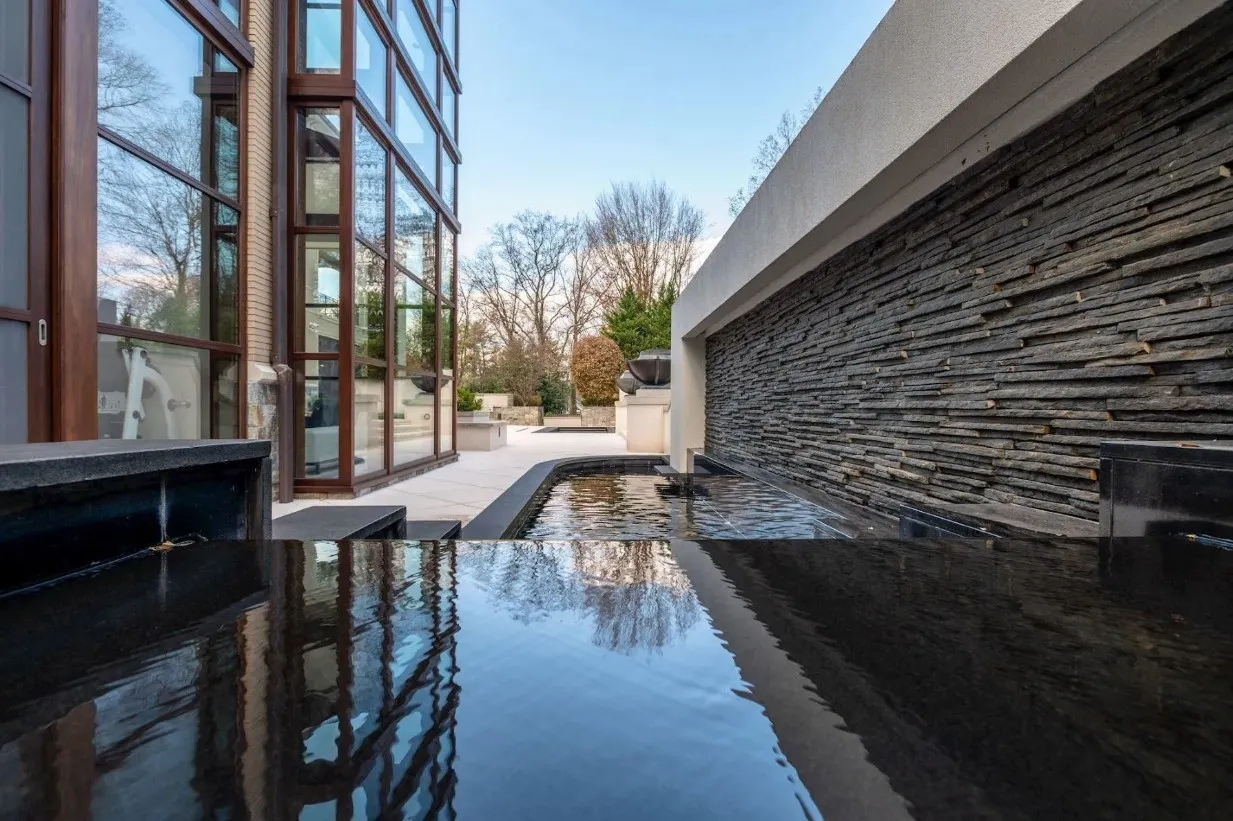
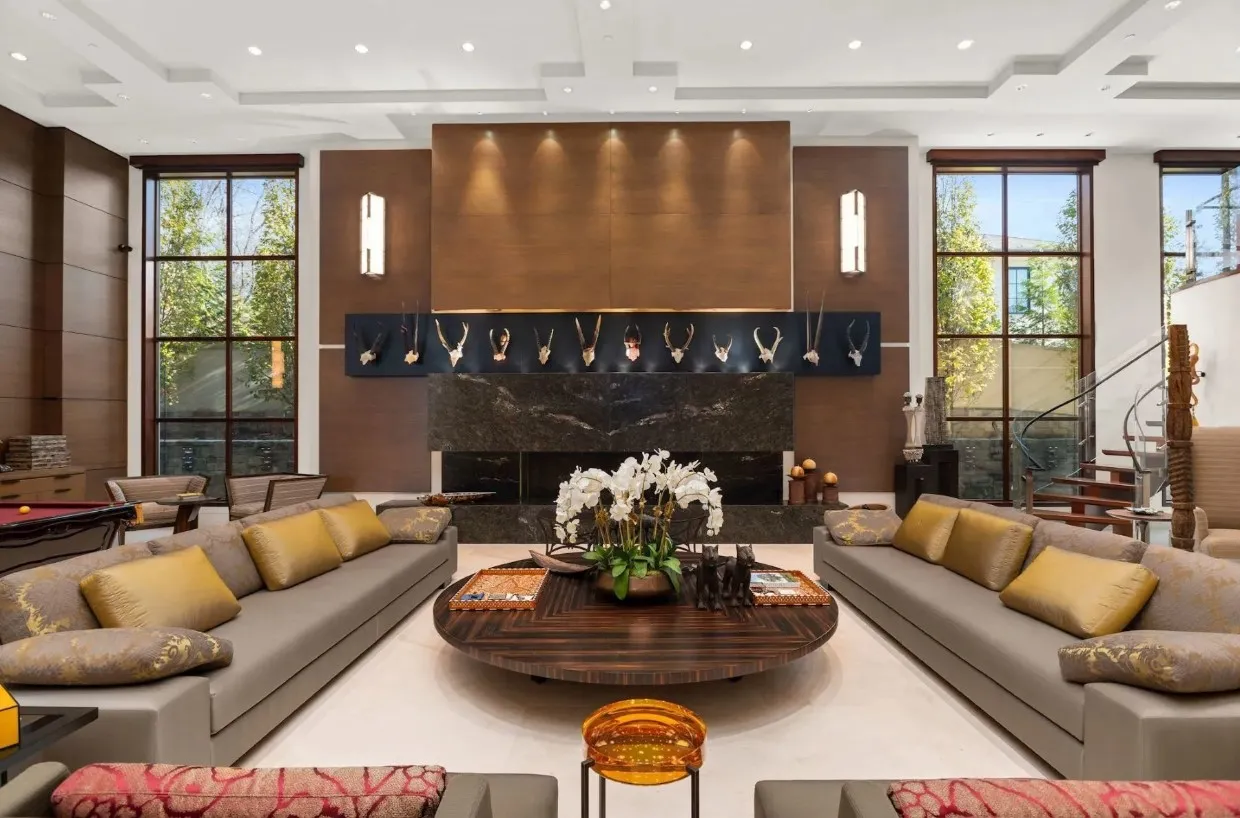
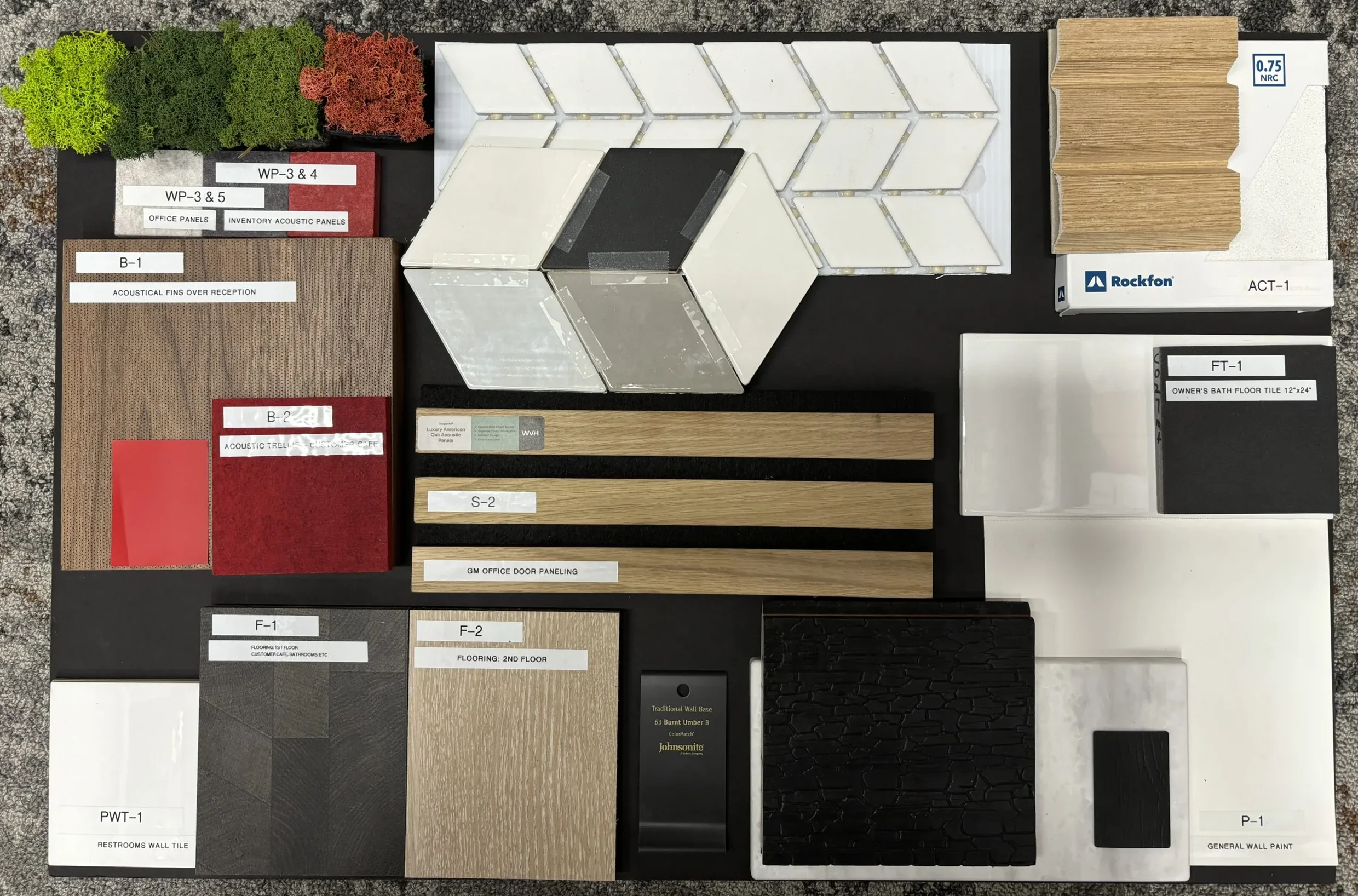
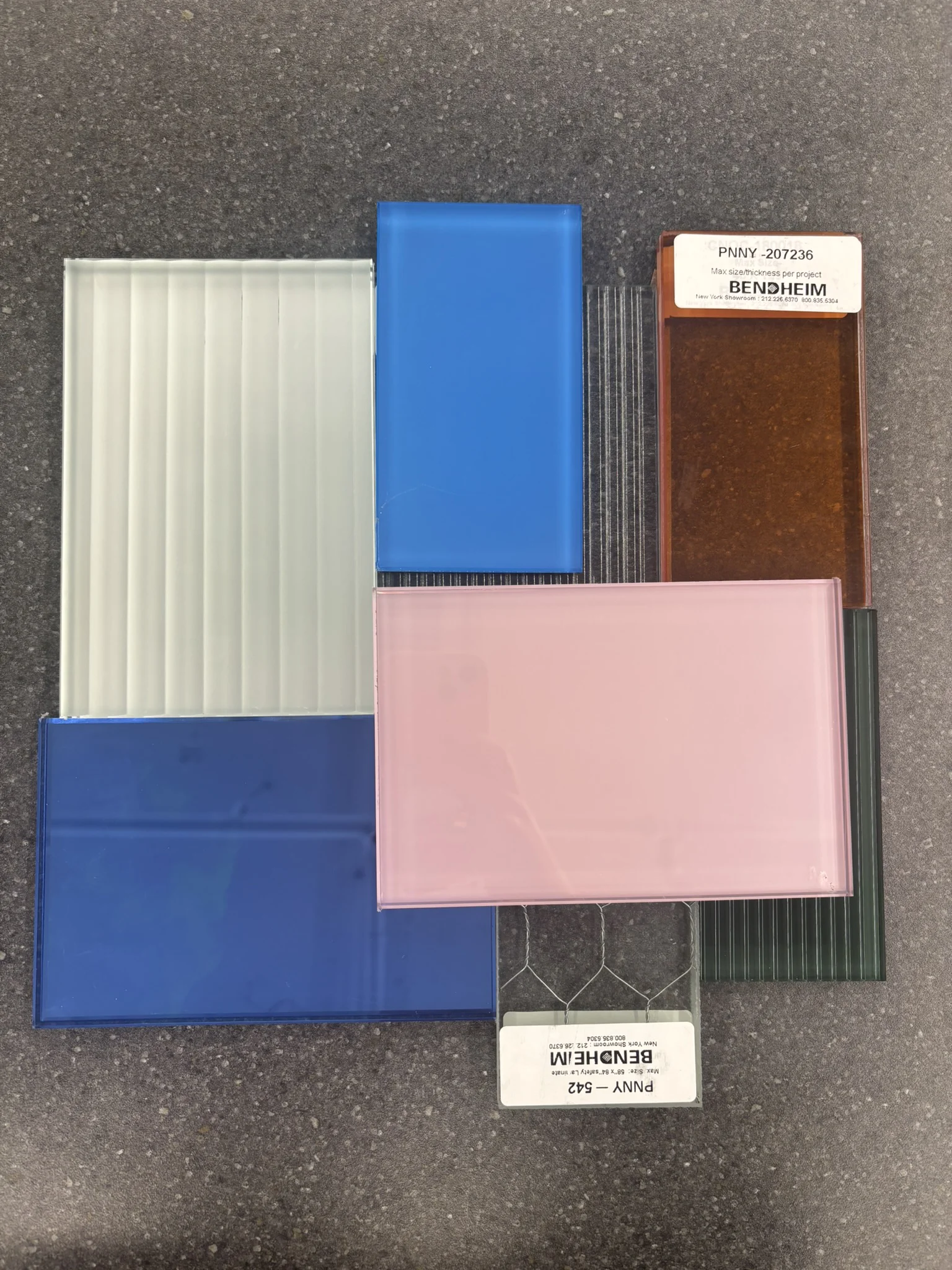
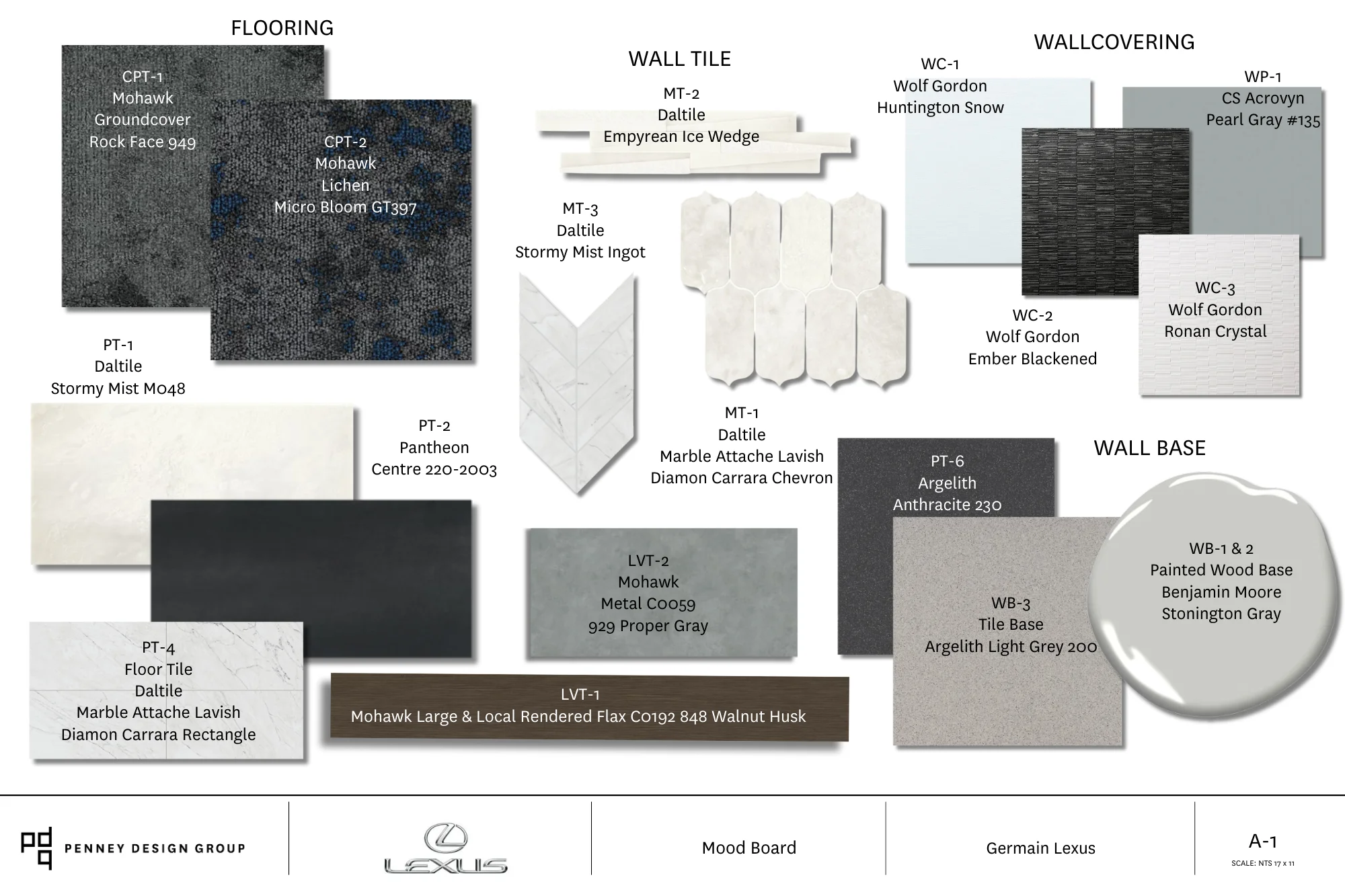
Mood boards and finish palettes become essential tools at this stage. They allow the team to explore material relationships, contrast, and tone while testing how individual elements work together as a system rather than in isolation. Flooring, wall finishes, ceilings, millwork, and work surfaces are all considered together to ensure consistency throughout the space.
from vision to viability developing a project design concept 4

Selecting Finishes with Purpose

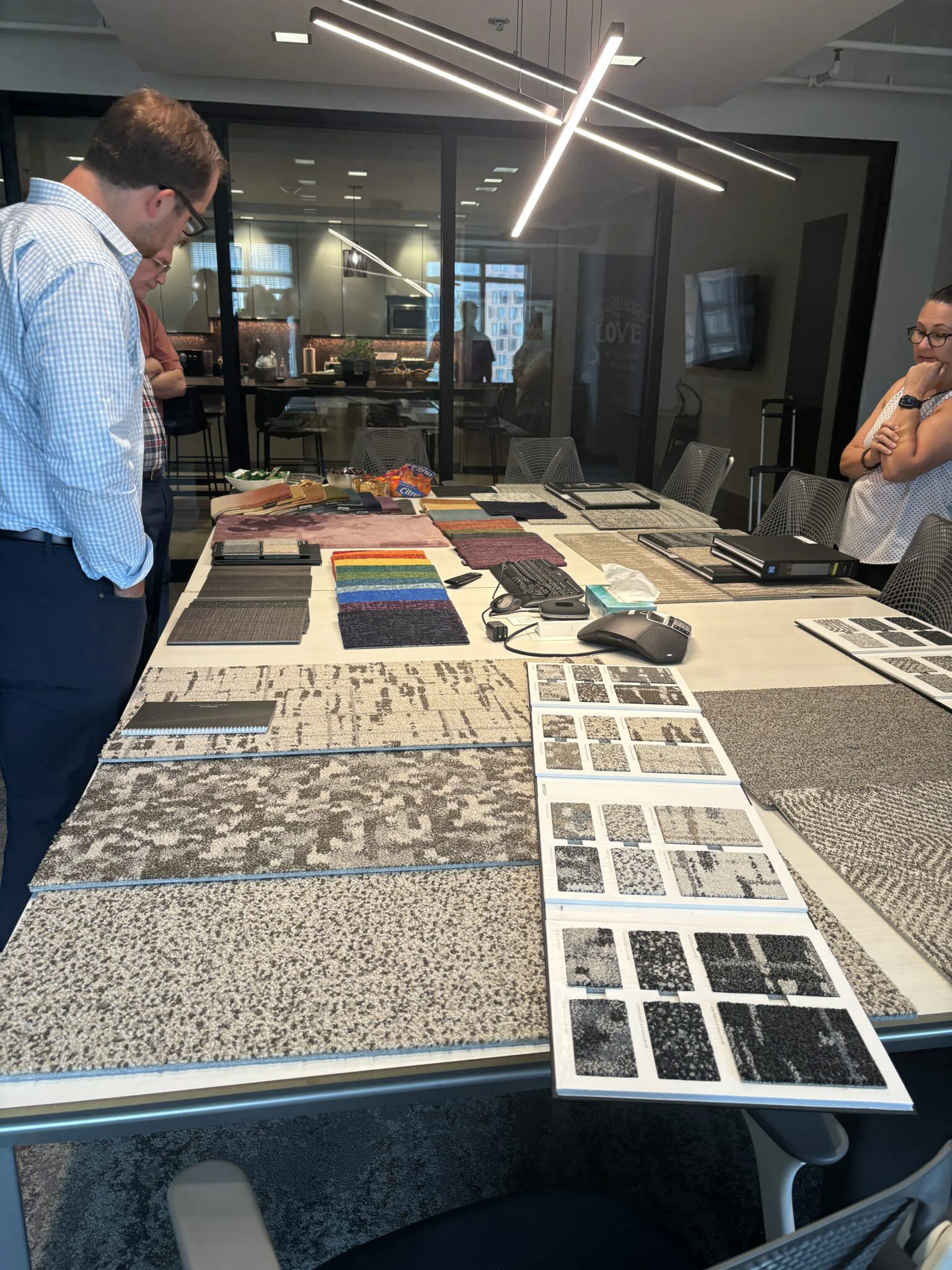
Finish selection is both creative and highly technical. Interior designers evaluate materials not only for appearance, but also for longevity, constructability, and suitability for specific environments. High-traffic flooring must balance visual interest with durability; wall finishes may be selected to enhance acoustics, add texture, or support branding.

Within an architecture firm, these selections are coordinated closely with detailing, specifications, and construction documentation. Designers consider transitions between materials, alignment with building systems, and how finishes will be installed and maintained over time. This level of coordination helps minimize surprises during construction and ensures the finished space reflects the original design intent.

from vision to viability developing a project design concept

From Concept to Construction

A strong design concept serves as a roadmap throughout the life of a project. As drawings are developed and refined, interior designers continue to collaborate with architects, consultants, and clients; answering questions, refining details, and adapting as needed while maintaining the core vision.

The result is a space where materials, colors, and textures work together seamlessly; supporting both form and function. By integrating interior design into the architectural process from the start, Penney Design Group is able to move confidently from vision to viability; delivering interiors that are thoughtful, durable, and aligned with each project’s goals.
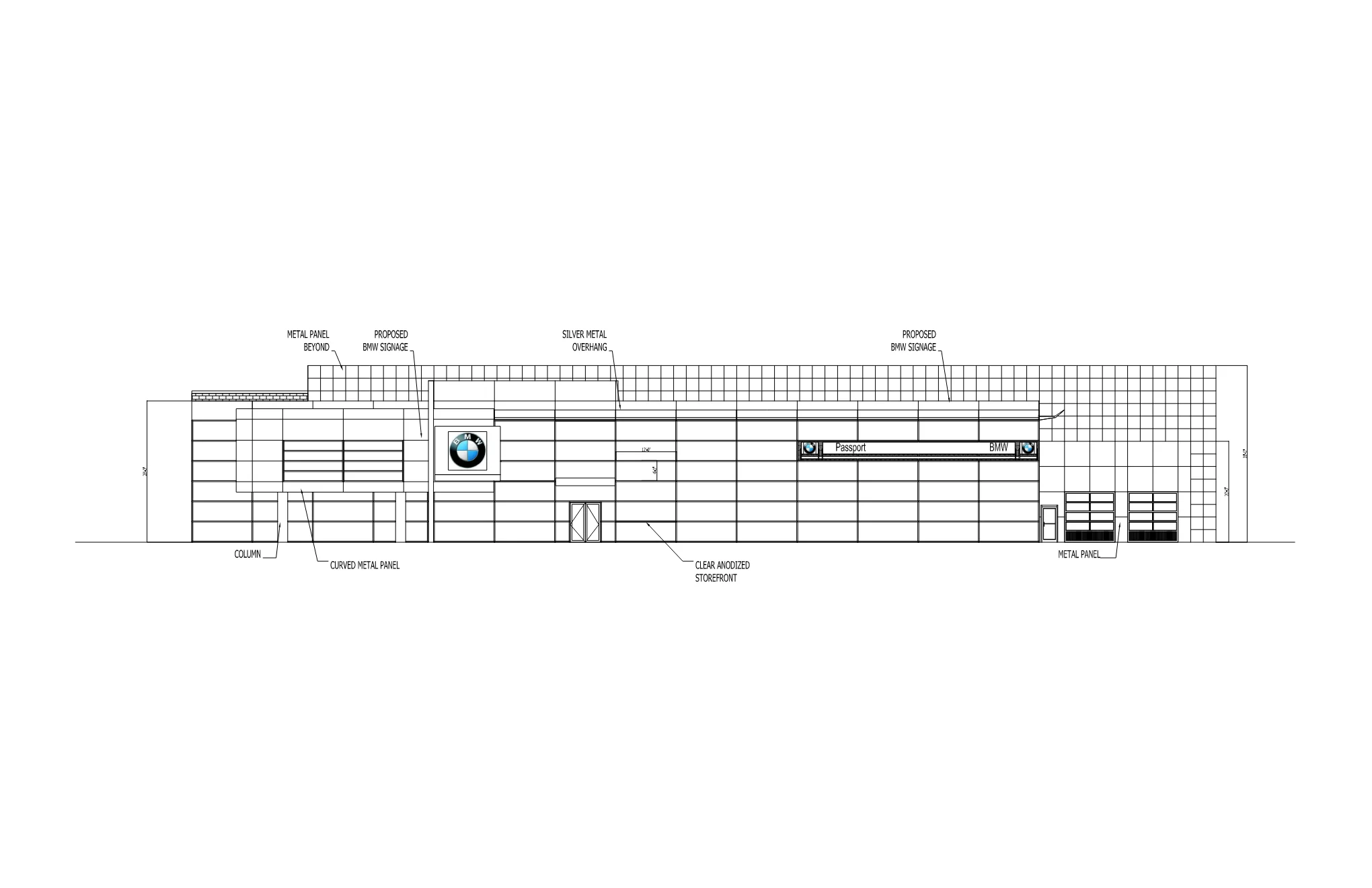
Passport BMW: Construction-Driven Transformation of a Premier Automotive Facility

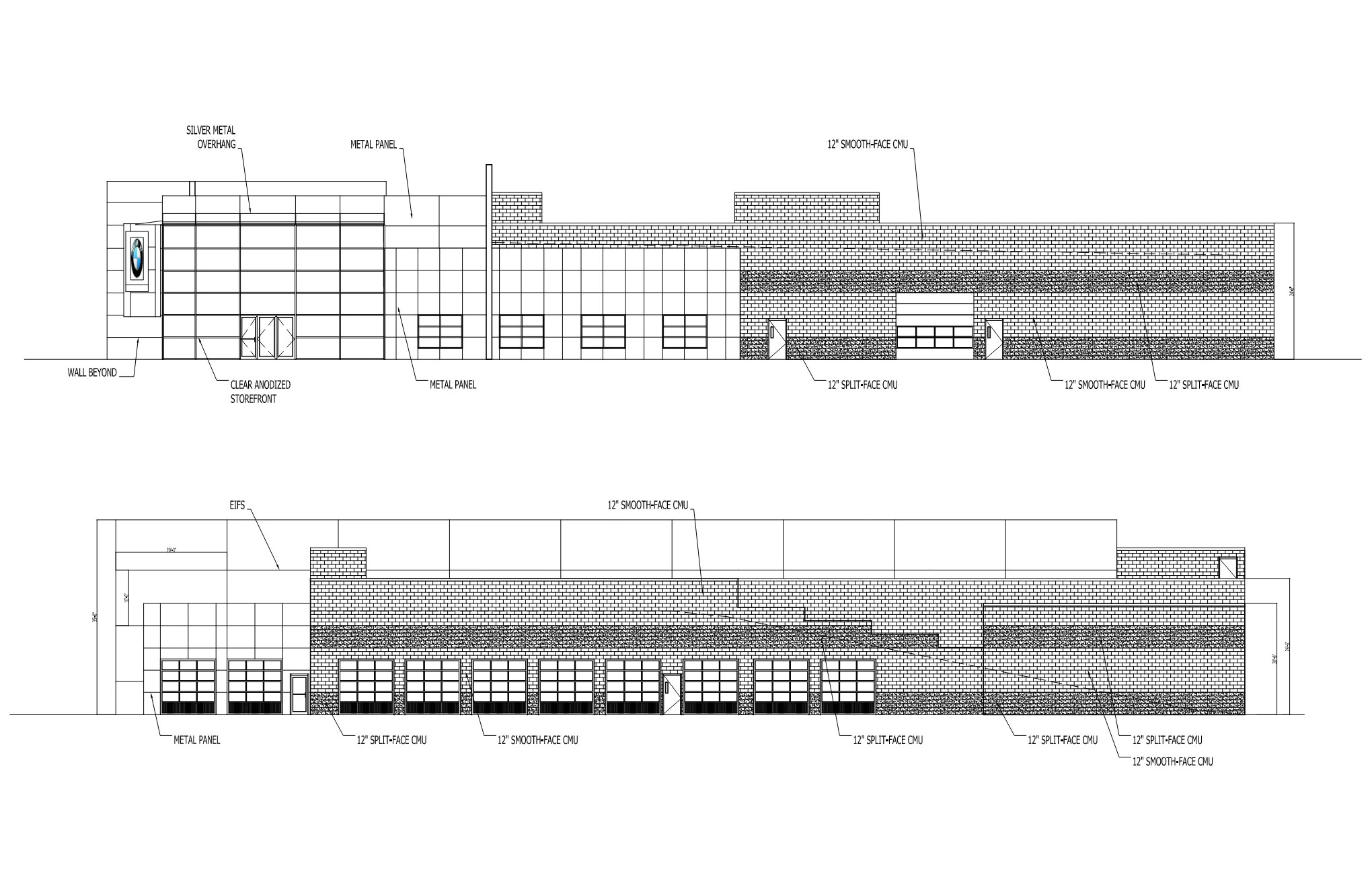
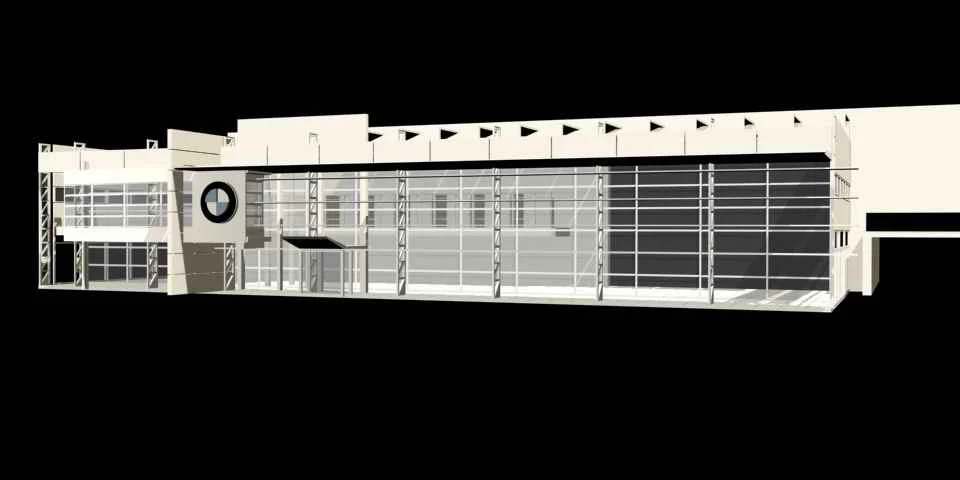
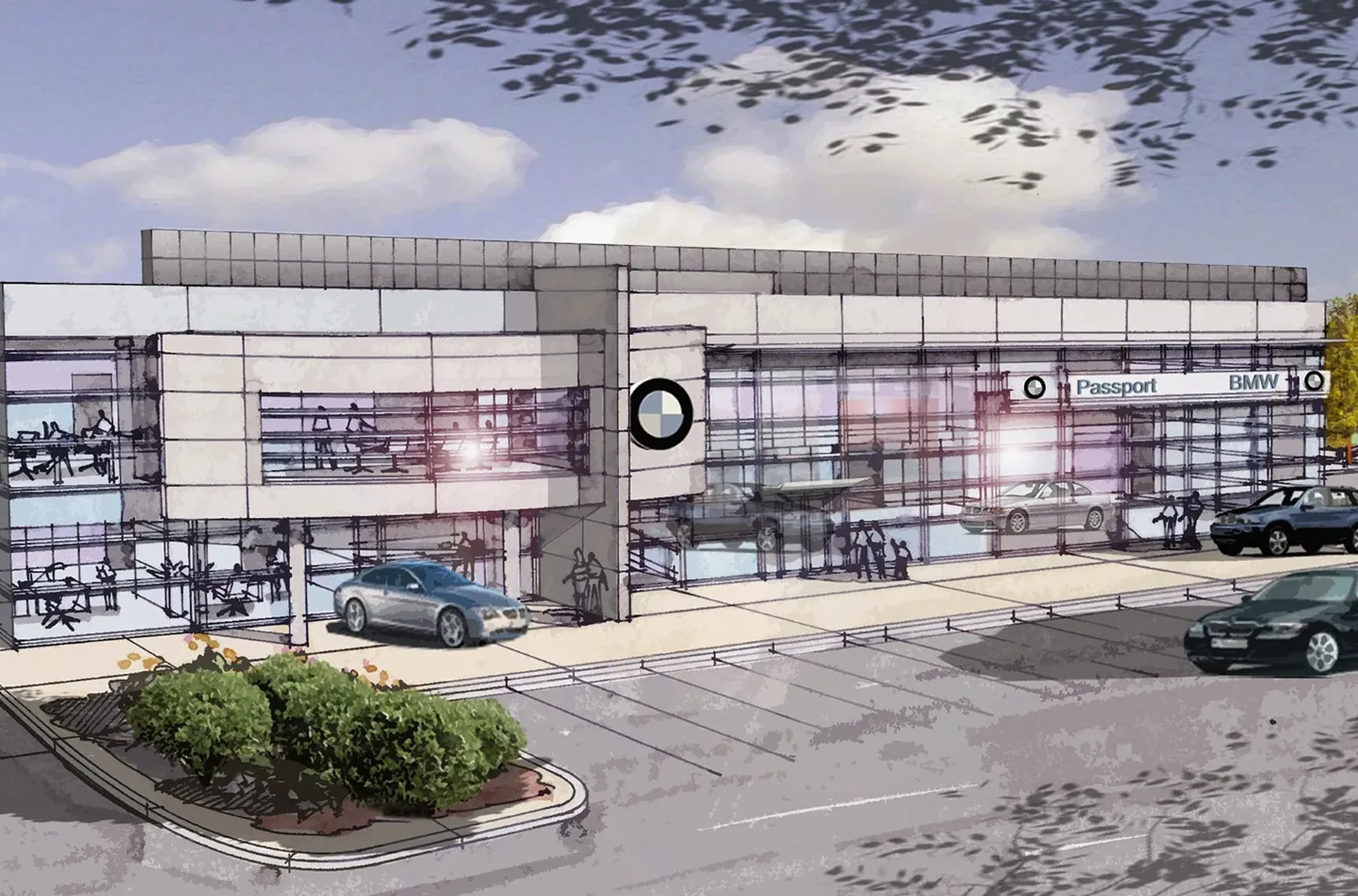
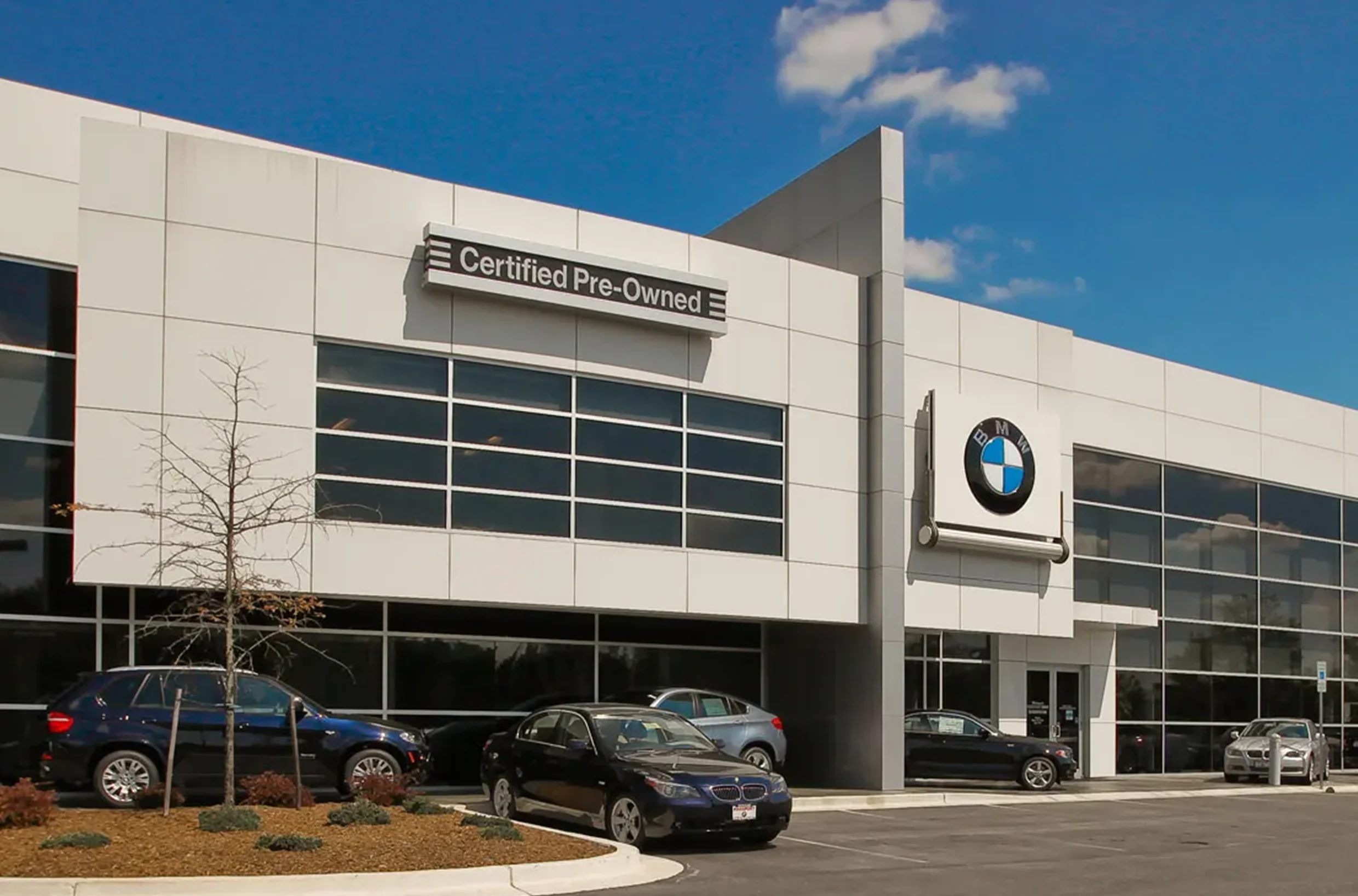
Penney Design Group is proud to have partnered on the Passport BMW dealership renovation and addition, a project that redefined the customer experience while expanding the facility to meet evolving operational needs. Located in the Washington, DC metro area, this project balanced precision construction, thoughtful phasing, and brand-driven design within an active dealership environment.

elevation 1

Project Scope

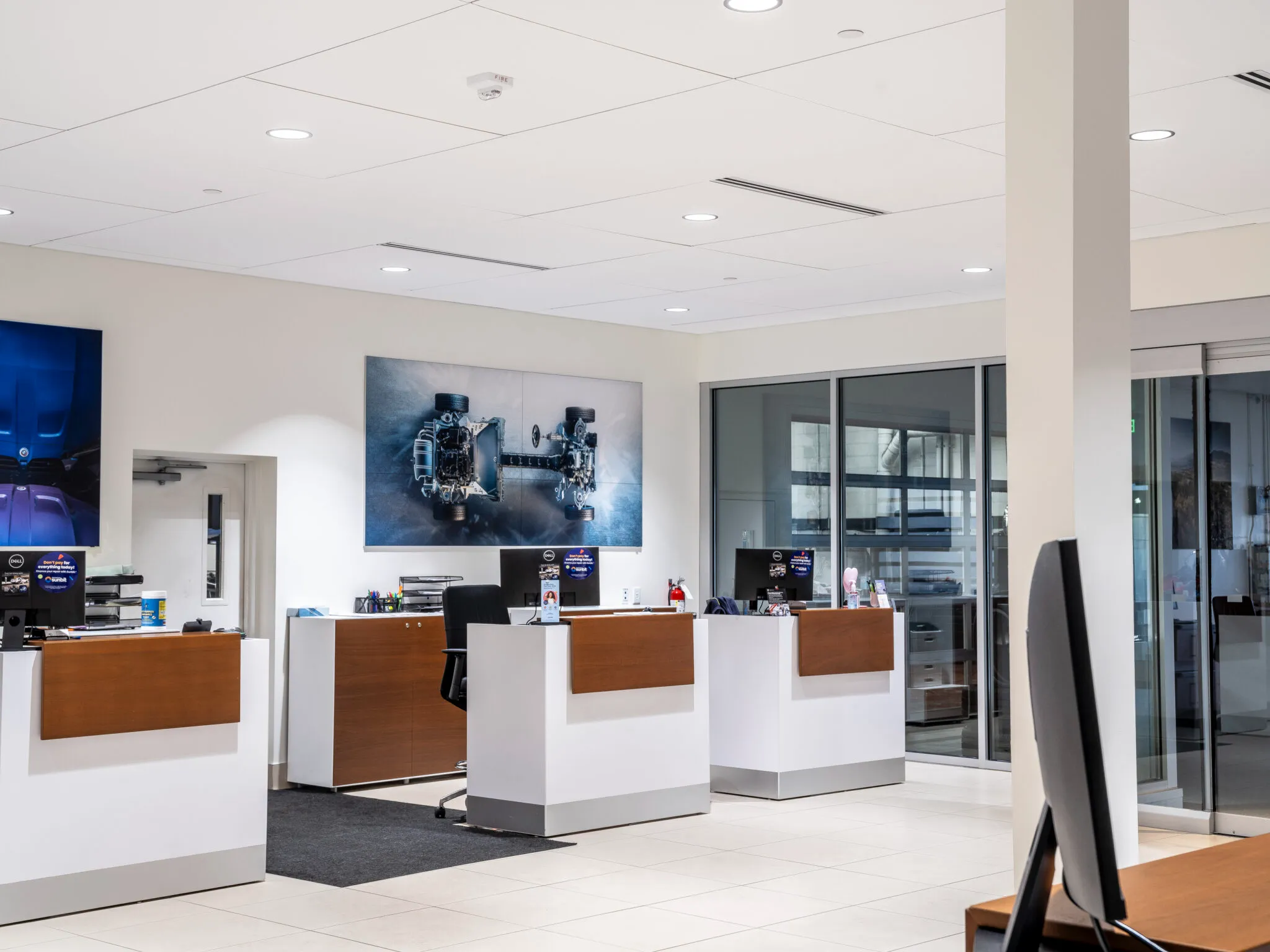
The project consisted of a comprehensive renovation of all customer-facing areas along with a 25,000-square-foot building addition. The scope included upgrades to the showroom, customer lounges, sales offices, and service reception areas with modernizing finishes, improving circulation, and enhancing overall functionality. The new addition allowed the dealership to expand its footprint while maintaining continuity with the existing structure and BMW’s architectural standards.

Throughout design and construction, careful coordination was required to integrate new building systems and structural elements into the existing facility while preserving daily dealership operations.

elevation 2

Construction Process & Key Challenges

Constructing an addition and executing major renovations within an occupied automotive facility presents unique challenges. Phasing and sequencing were critical to ensure customer access, vehicle flow, and service operations could continue safely and efficiently throughout construction.

Early phases focused on structural work for the addition, including steel erection and masonry construction, establishing the framework for the expanded facility. As the building enclosure progressed, interior construction advanced in parallel—allowing renovation work to occur while minimizing disruption to dealership functions.

Interior renovations required close coordination across disciplines, integrating updated mechanical, electrical, and lighting systems with new architectural finishes. Attention to detail was essential to meet both performance requirements and the refined aesthetic expected in a premium automotive environment.

The final stages of construction brought together interior finishes, exterior improvements, and site work by culminating in a seamless transformation that supports both customer experience and operational efficiency.

2

Material Strategy Aligned with BMW Brand Standards

The material palette for the Passport BMW renovation and addition was selected to align with BMW’s corporate architectural standards, including the principles of its “Retail.Next” dealership concept, which emphasizes transparency, flexibility, and a premium customer experience. Concrete masonry units (CMU) form the backbone of the building envelope, providing structural integrity, fire resistance, and long-term performance—particularly critical in service and operational areas. The use of both smooth-face and split-face CMU introduces subtle texture and scale while maintaining the restrained, utilitarian character prescribed by BMW facility guidelines. In customer-facing areas, clear anodized aluminum storefront systems were employed to maximize transparency and daylight, reinforcing “Retail.Next’s” focus on openness and visual connection between interior and exterior spaces. Metal panel cladding was integrated to unify the renovated and new construction, delivering crisp lines, consistent finishes, and a contemporary expression consistent with BMW’s evolving global dealership identity.

passport bmw construction driven transformation of a premier automotive facility

Collaboration with Chesapeake Contracting Group

Penney Design Group worked closely with Chesapeake Contracting Group, the general contractor for the Passport BMW project. Chesapeake’s experience with complex renovation and addition projects—particularly in occupied commercial environments—was instrumental to the project’s success.

With decades of experience across automotive, retail, and commercial sectors, Chesapeake Contracting Group brought a disciplined, collaborative approach to construction management. Their ability to carefully phase work, coordinate trades, and maintain safety standards allowed the dealership to remain operational while construction progressed. The partnership between design and construction teams ensured challenges were addressed proactively, resulting in a high-quality finished project that met both schedule and performance goals.

1

A Modernized Dealership for the Future

The completed Passport BMW project reflects the power of integrated design and construction. By modernizing customer spaces and expanding the facility through a carefully executed addition, the dealership is now better equipped to serve its customers while reinforcing the BMW brand experience.

At Penney Design Group, we value projects that require thoughtful coordination, technical expertise, and strong collaboration—and Passport BMW stands as a testament to that approach.

Designing Data Centers to Be Good Neighbors: How Architecture Supports Communities

Most people don’t think about data centers until they hear that one may be built nearby.

Yet these facilities already support nearly every part of modern life; email, banking, health records, emergency services, and the rapidly expanding world of AI. According to the Urban Land Institute, data centers now function as essential infrastructure, much like power or water systems, and they require thoughtful planning so that they serve both global digital needs and the local communities that host them.

dji 0236 2048x1152

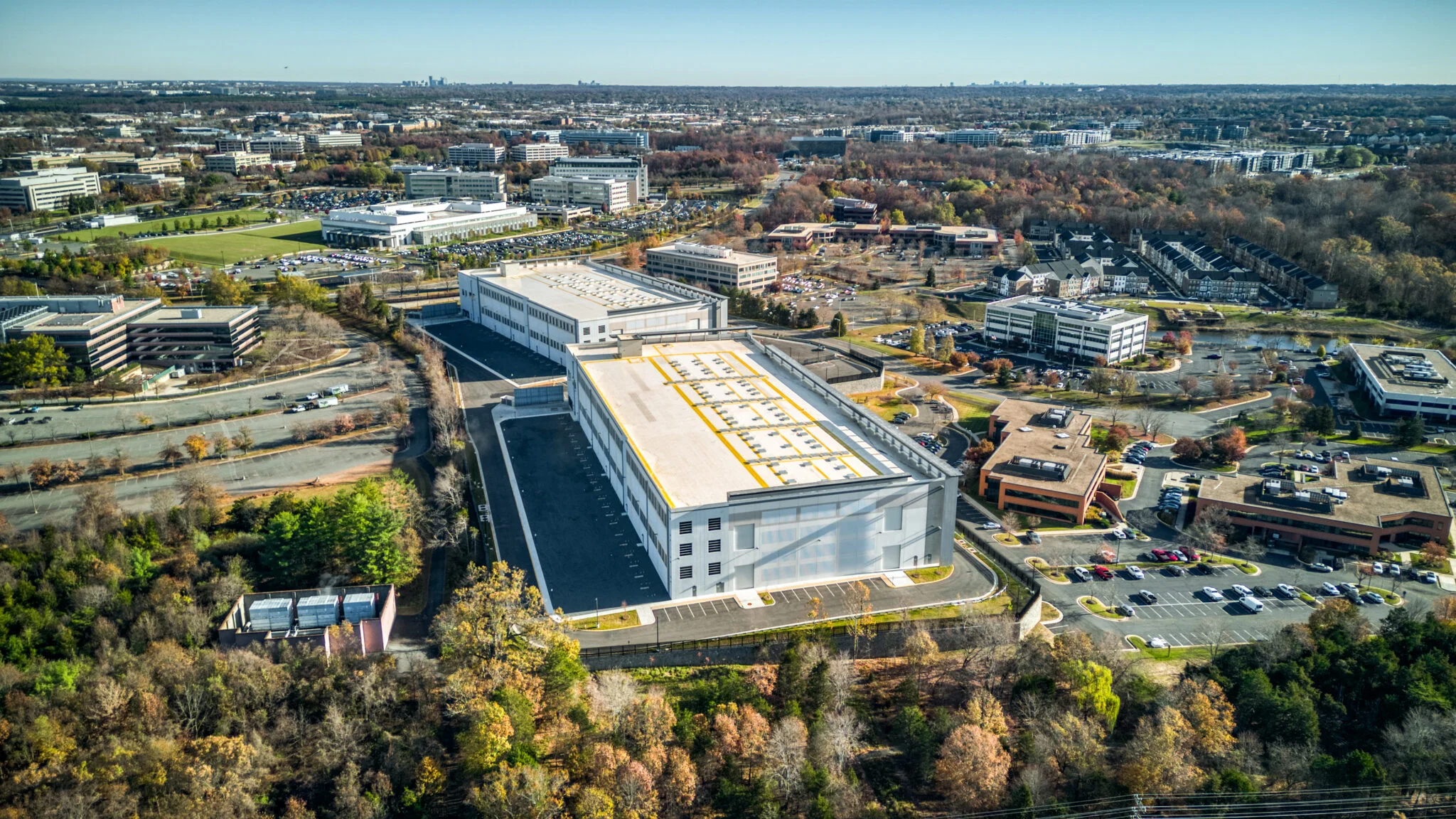
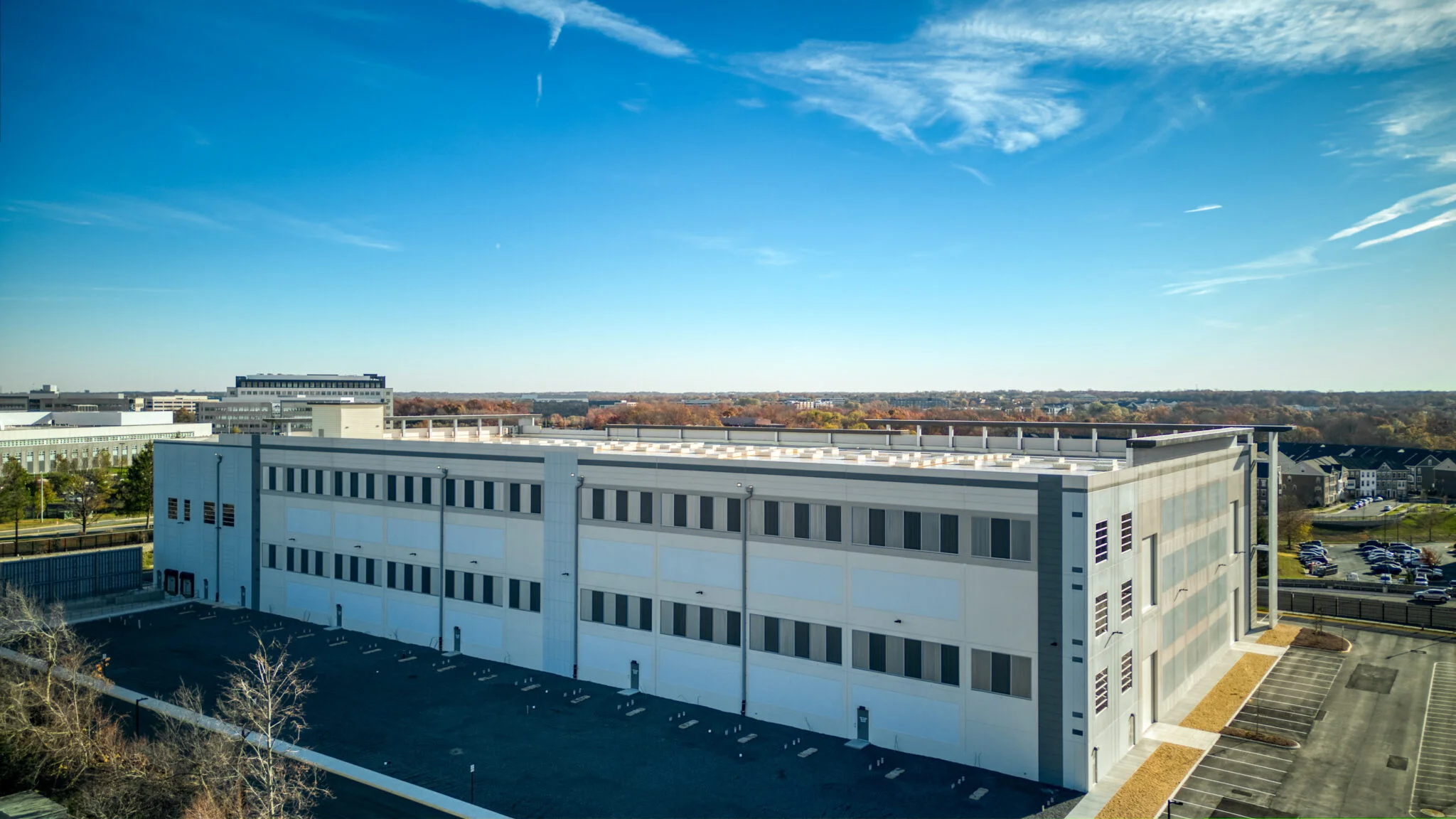
Because they are so critical, the way they are designed and the way they integrate into their surroundings matters. At Penney Design Group, we focus on ensuring that data centers operate reliably while also being responsible, quiet, visually respectful neighbors. Noise is often the first community concern, but modern facilities are engineered to minimize it. Emergency generators run only briefly for monthly testing and remain otherwise off, cooled by sound-attenuated enclosures. Mechanical equipment is screened and strategically placed to reduce its acoustic presence, and entire campuses are planned so that sound-producing elements sit far from residential edges. These strategies are not exceptions but standard practice informed by clear zoning and design guidelines.

dji 0317 2048x1152

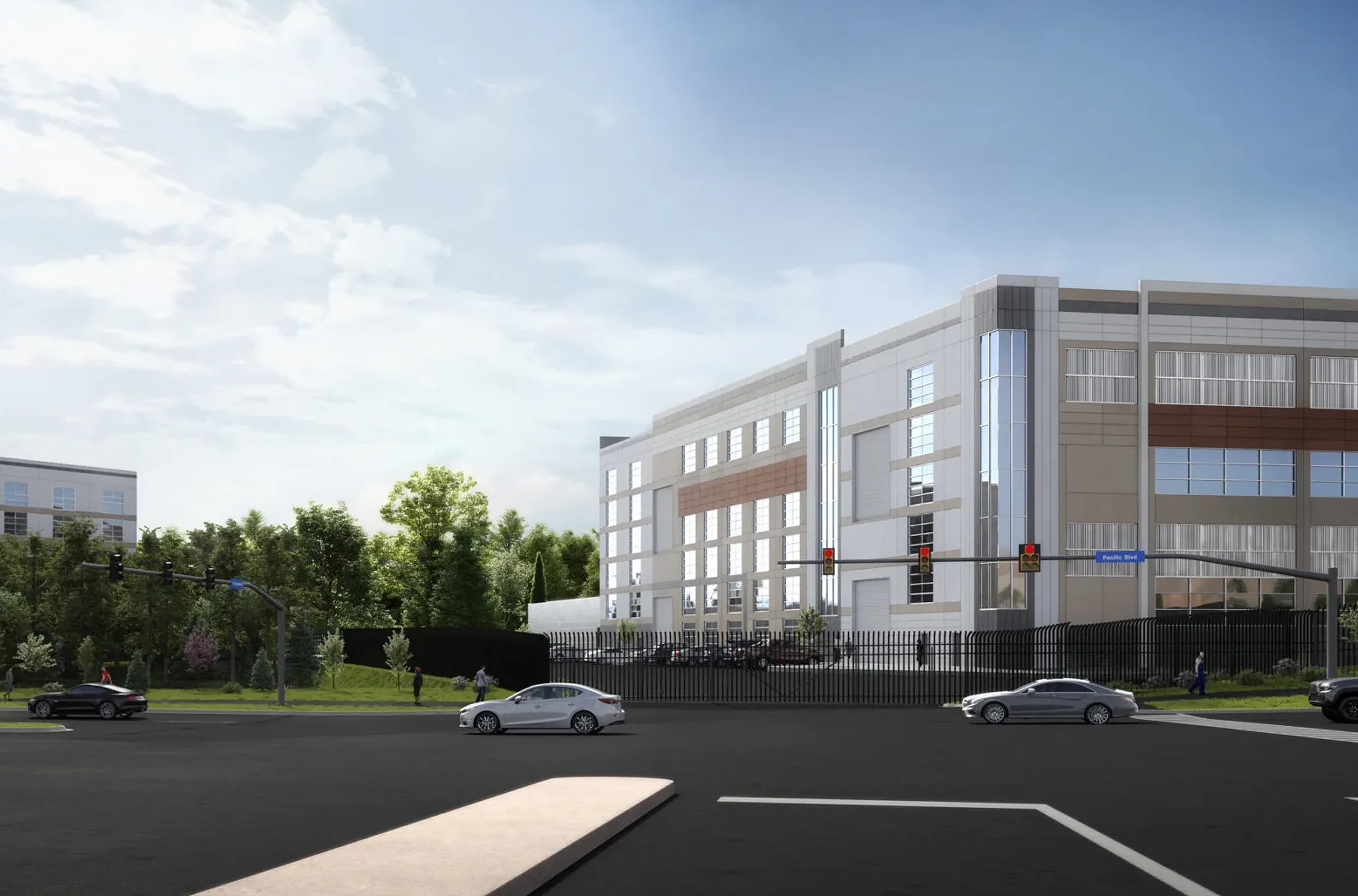
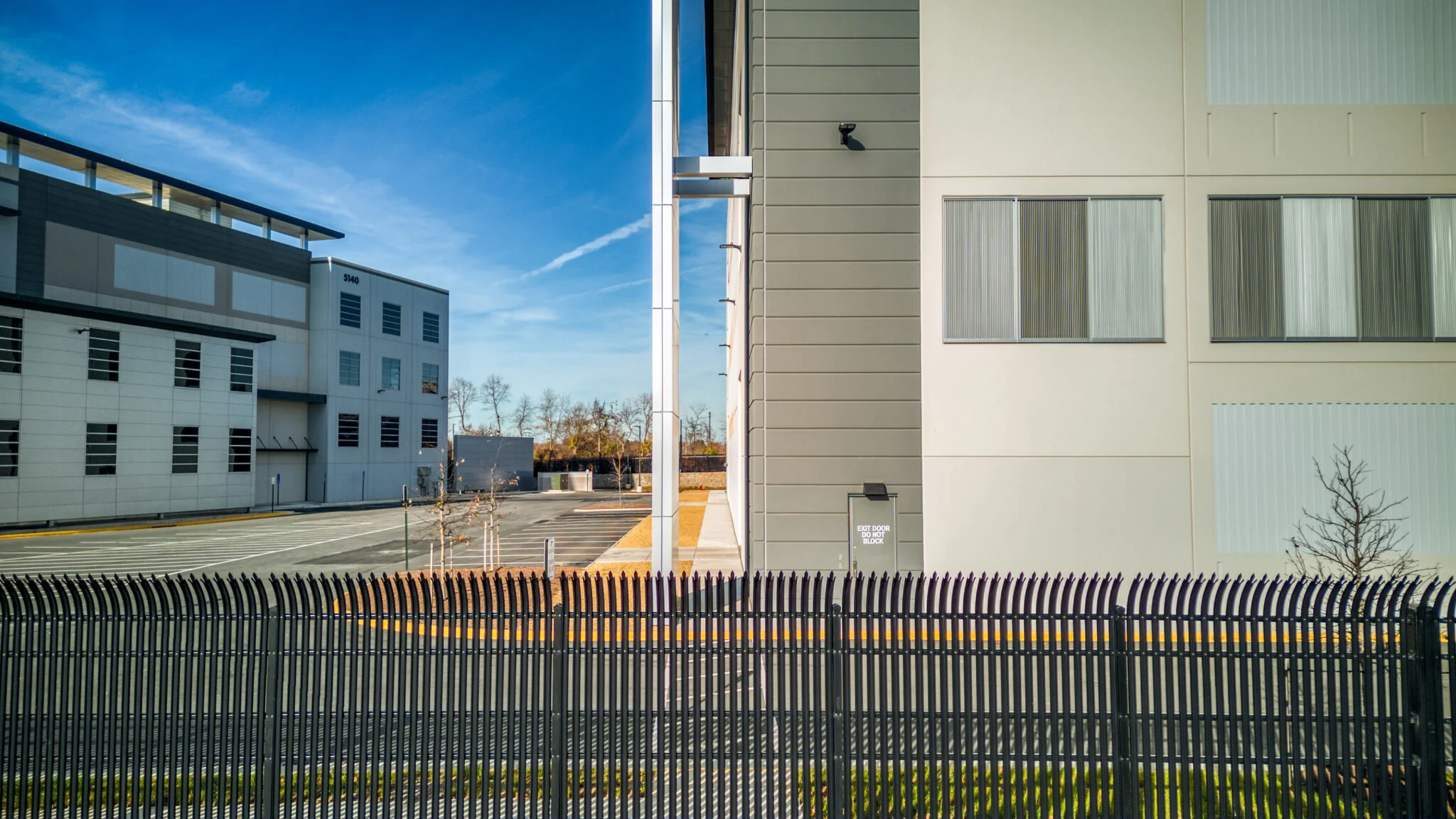
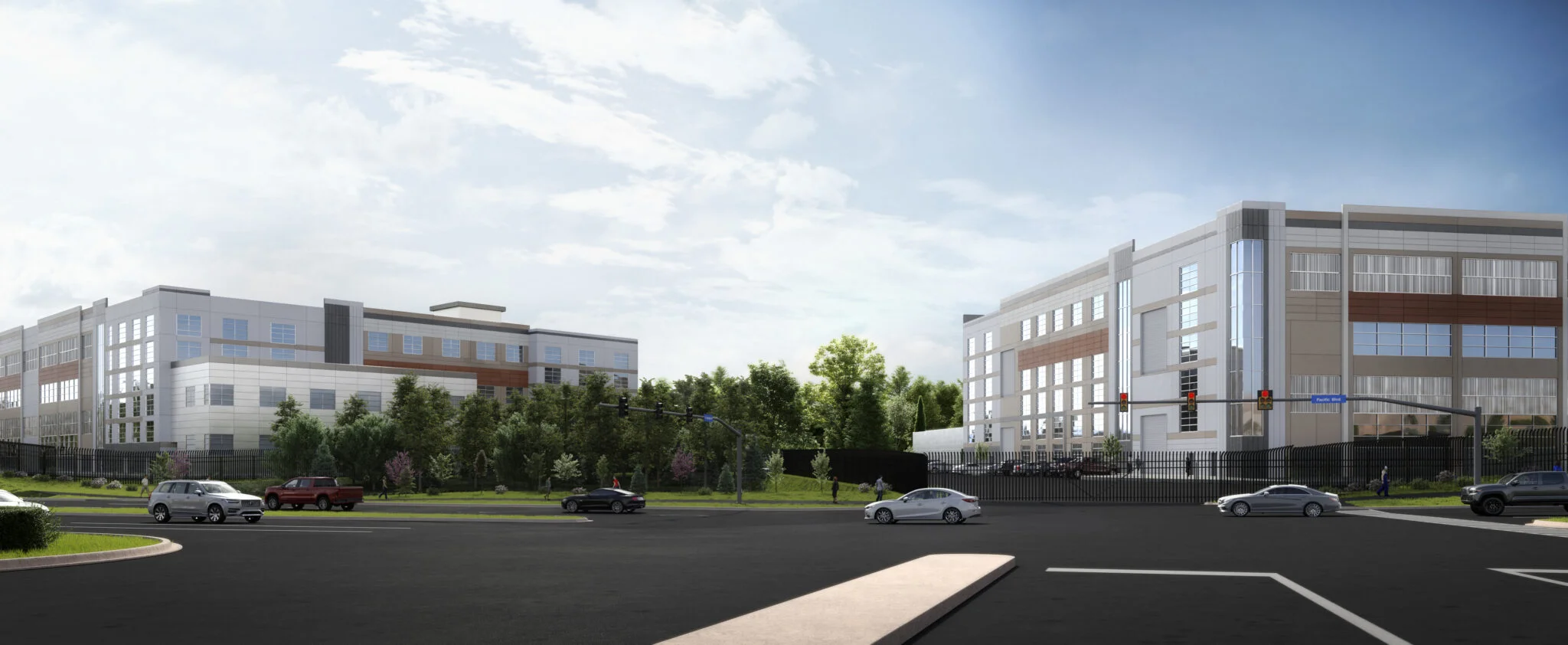
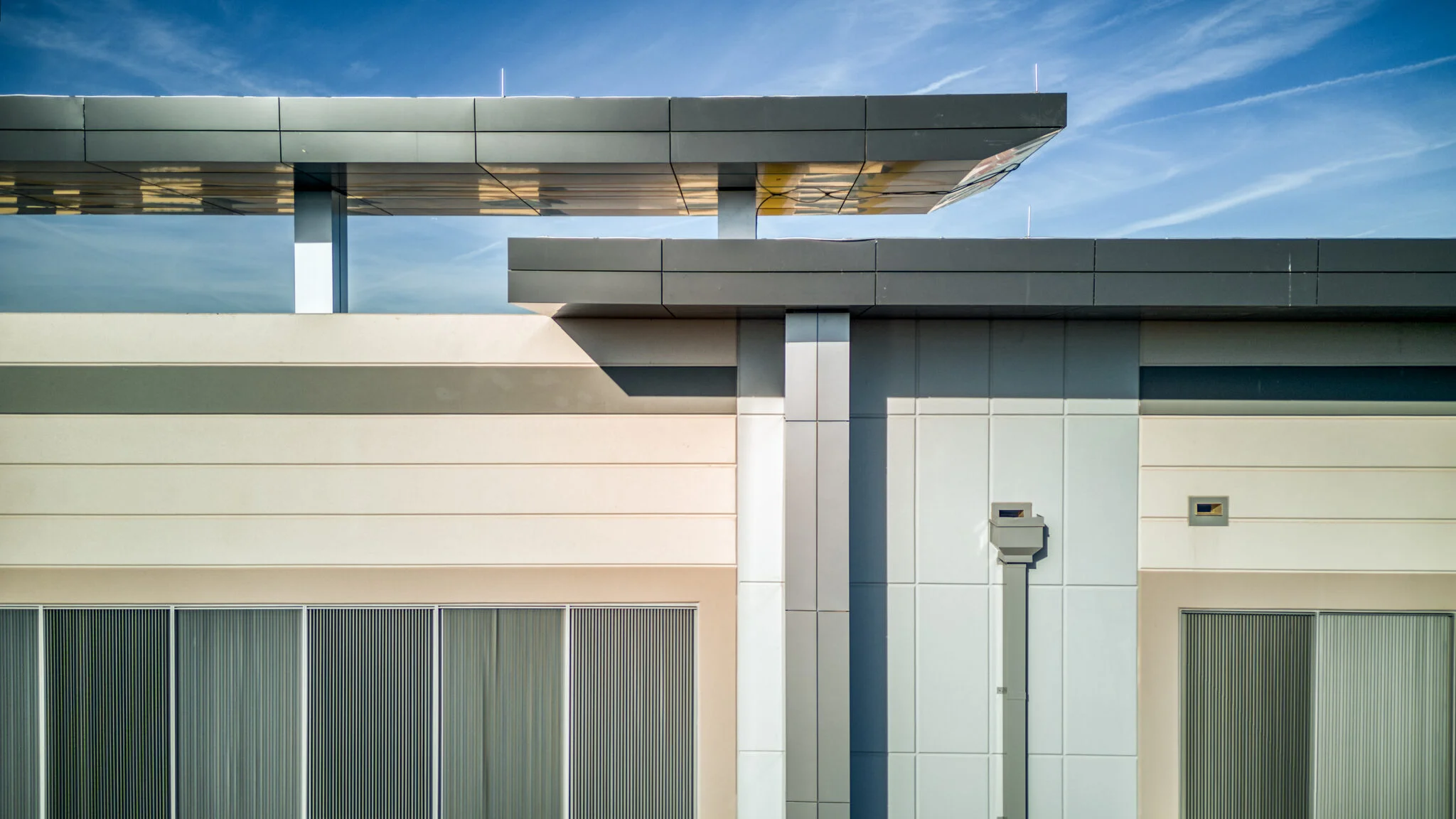
Appearance is another key consideration. Although data centers are technically complex industrial buildings, they do not need to look industrial. Landscape buffers, glass or articulated façades, and careful material selection help large buildings blend into their surroundings more effectively than most people expect. Equipment yards and substations are screened, and massing is broken down to make the campus feel less imposing. With thoughtful architectural choices, even hyperscale facilities can fit comfortably within the character of a community.

2022 09 22 dulles technology c02 02 2048x842

Traffic concerns are also common, and the Urban Land Institute (ULI) wrote a report highlighting that misconceptions often stem from observing construction activity rather than long-term operations. Data centers generate very little daily traffic once they are up and running. There are no fleets of trucks moving in and out and no constant flow of deliveries. A small operations team manages the facility, reducing permanent impact on roads and local services. Construction, while more active, is phased and temporary, and architects help plan those phases in ways that minimize disruption.

Water and power use have become increasingly important community topics. Modern data centers are designed to be far more responsible in these areas than many people assume. When water is required for cooling, operators frequently use non-potable recycled water, known as “purple pipe” systems, so they do not draw from the municipal drinking supply. Many major operators also invest in local water treatment infrastructure and clean-energy development, which can accelerate grid modernization and bring additional benefits to the region. As the ULI report notes, federal and state regulations prevent new large-load users from reducing grid reliability for existing customers, and hyperscalers’ renewable-energy commitments often push utilities toward greener solutions that benefit communities.

dji 0302 2048x1152

Finally, zoning and design transparency play an essential role in making data centers community-friendly. Clear guidelines on building height, setbacks, screening, and sound management ensure predictable, consistent outcomes. PDG works closely with municipalities to interpret and apply the best practices highlighted in the ULI’s model zoning recommendations, ensuring that facilities meet technical needs while aligning with community expectations.

dji 0122 2048x1152

When designed thoughtfully, data centers strengthen local economies, support national digital infrastructure, and integrate respectfully into the places people call home. Architecture plays a central role in balancing these objectives, reducing impacts, improving aesthetics, and ensuring that these essential buildings remain both high-performing and good neighbors.

Reference: Urban Land Institute Local Guidelines for Data Center Development

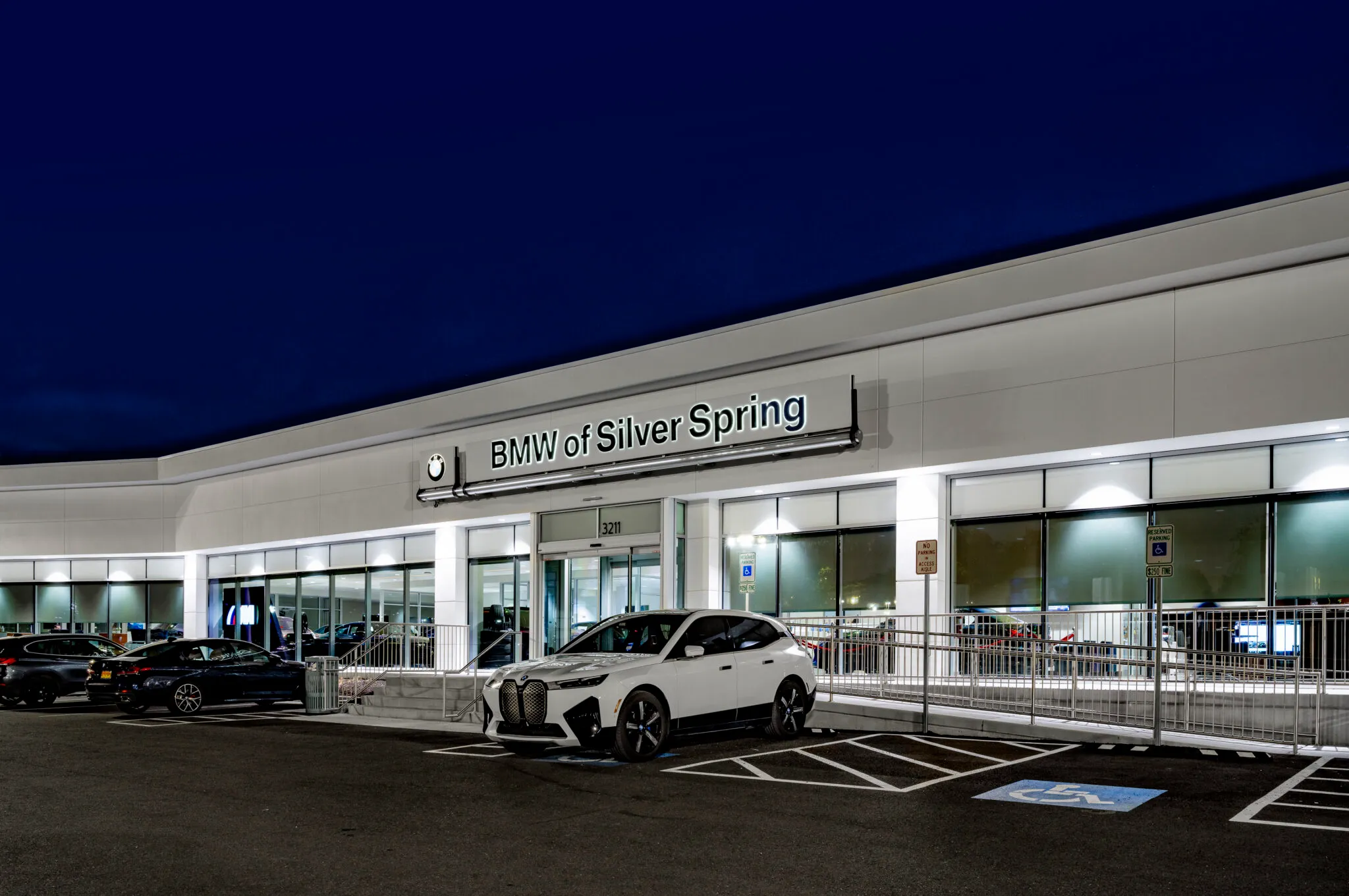
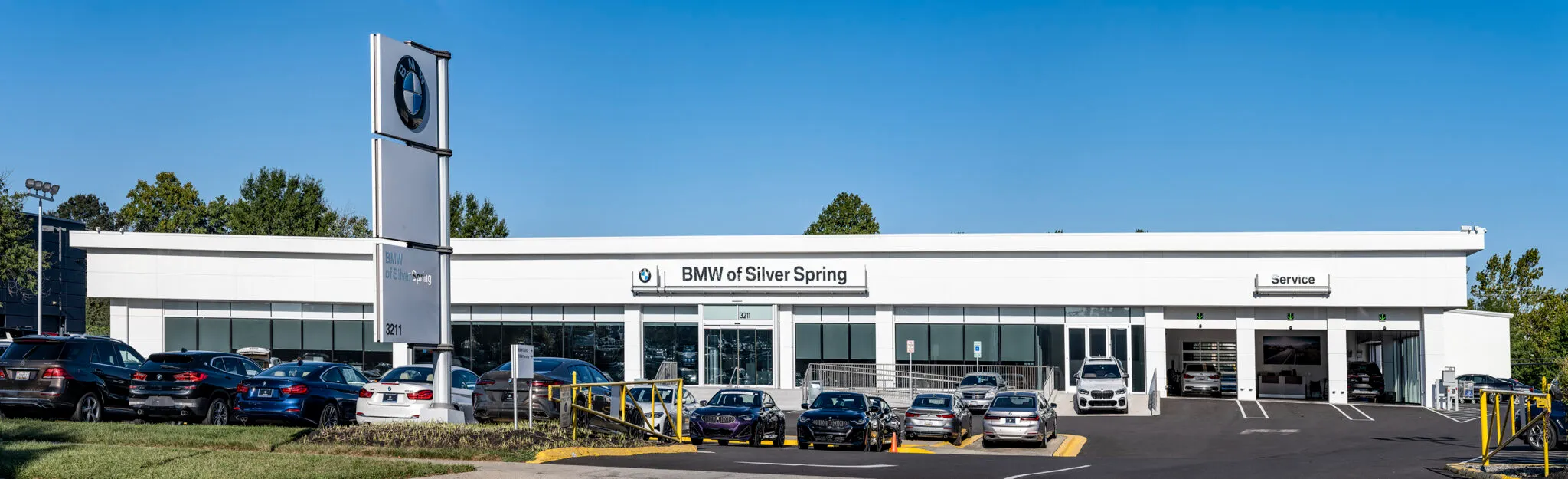
Transforming BMW of Silver Spring: Before & After Renovation

A Dealership Ready for Change

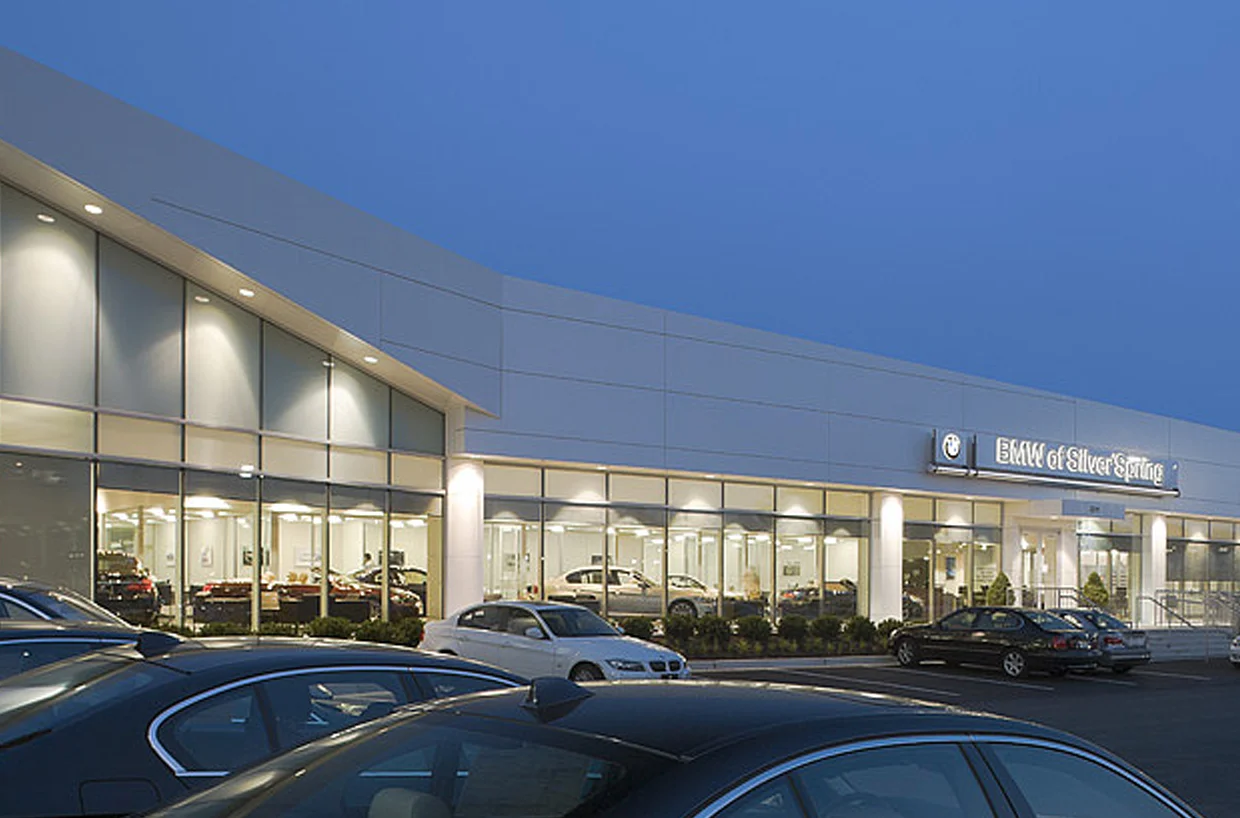
BMW has always been synonymous with performance and precision, and its dealerships are expected to reflect those same qualities. At BMW of Silver Spring, however, the physical space was beginning to lag behind the evolving expectations of both the brand and its customers. The showroom was functional but dated, with layouts and finishes that no longer matched the premium experience BMW ownership should convey. That’s where Penney Design Group came in. Our task was to take on an aging facility and turn it into a modern destination that embodied the brand, supported staff, and delighted customers.

transforming bmw of silver spring before & after renovation

Looking at the Before

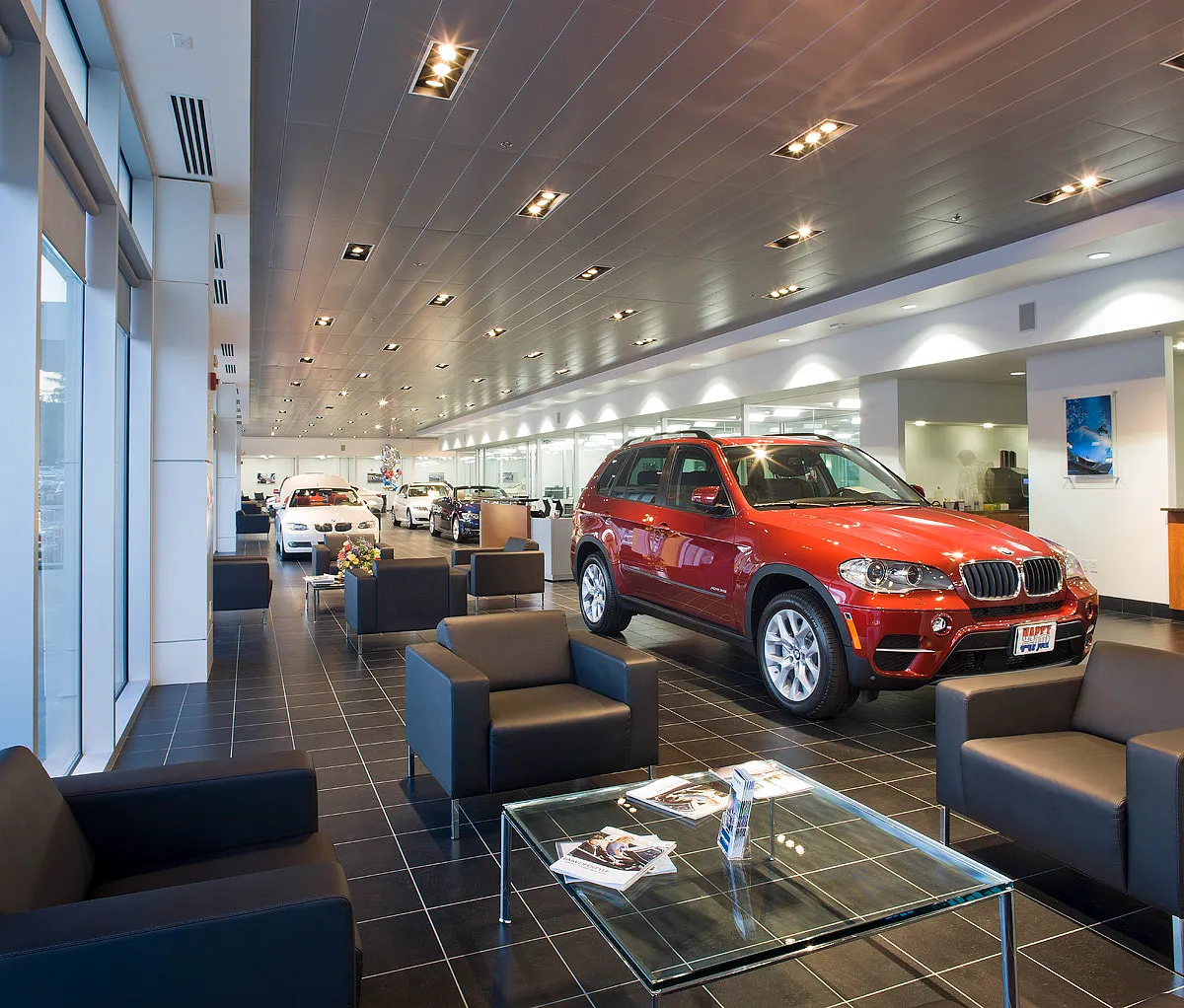
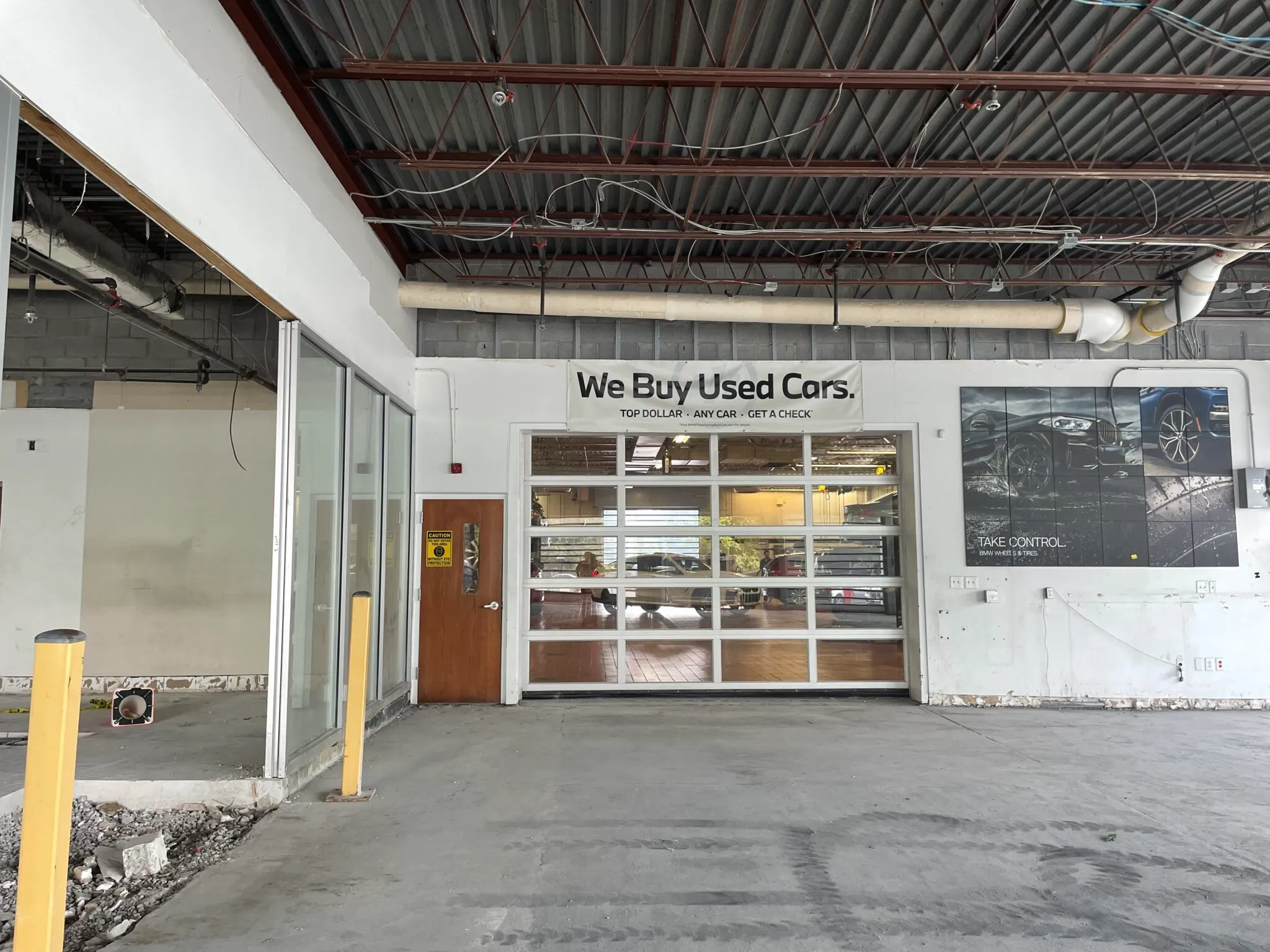
Walking through the facility before renovation, it was clear where improvements were needed. The showroom floor was crowded, with limited space to highlight vehicles in a way that felt intentional. Lighting was uneven, often failing to showcase the cars at their best. The customer waiting area had been outgrown and was lacking comfort and connection to the rest of the dealership. Even the service drive and back-of-house functions showed signs of strain from years of heavy use.

bmw interior 2

The dealership wasn’t broken—but it wasn’t inspiring either. For a brand like BMW, that was not enough. The challenge was to preserve the building’s utility while elevating it into a space that matched the luxury and performance DNA of the vehicles inside.

bmw interior 1

The Renovation Vision

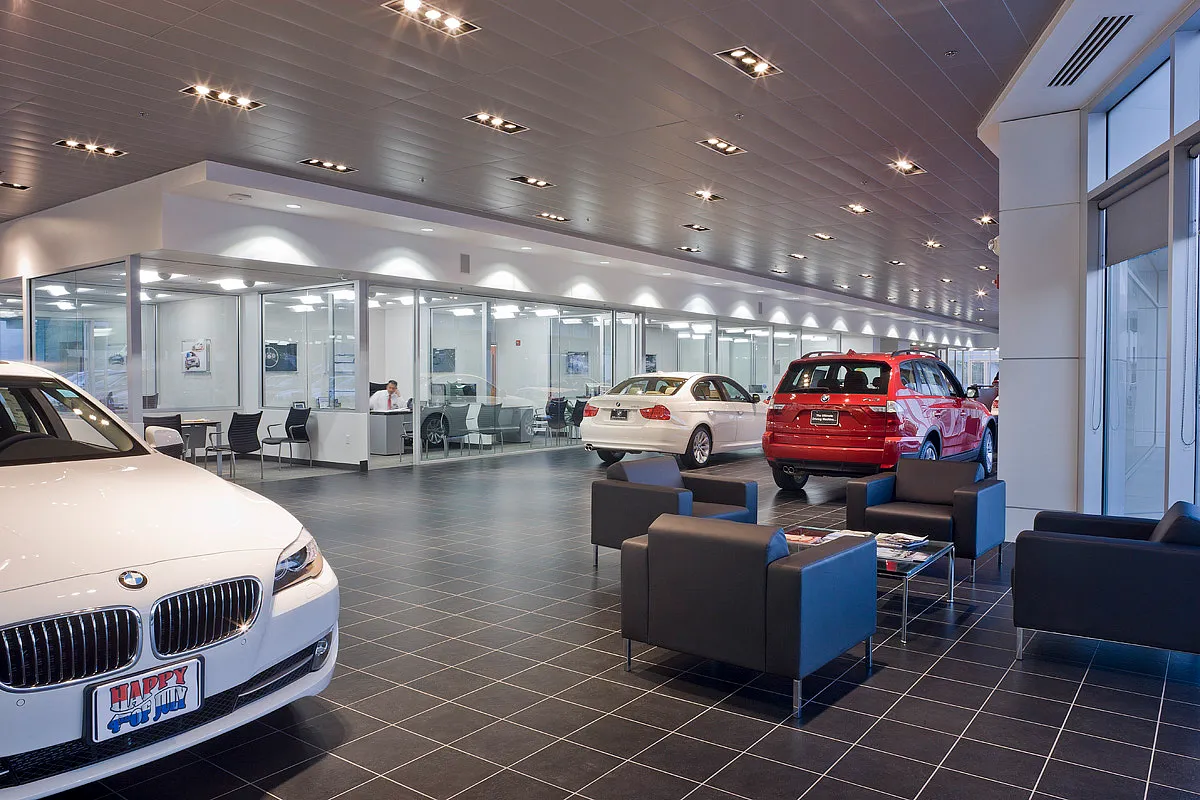
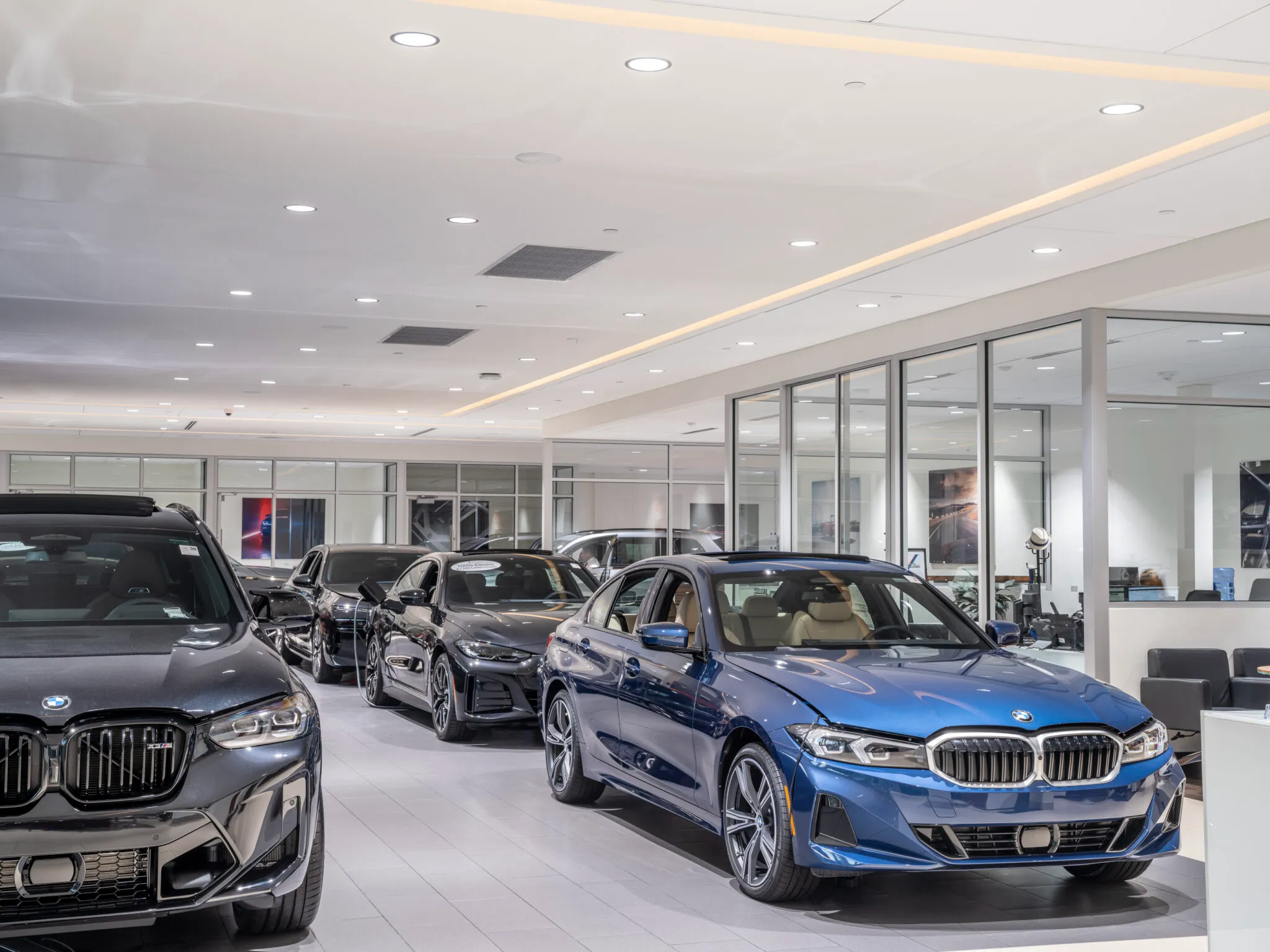
Our vision for BMW of Silver Spring’s renovation centered on creating a space that flowed seamlessly from arrival to delivery. The new design emphasized openness and transparency, making every step of the customer journey intentional. The showroom was reconfigured to allow for clean sightlines, more natural light, and curated display areas that placed vehicles at the center of attention.

20 2048x758

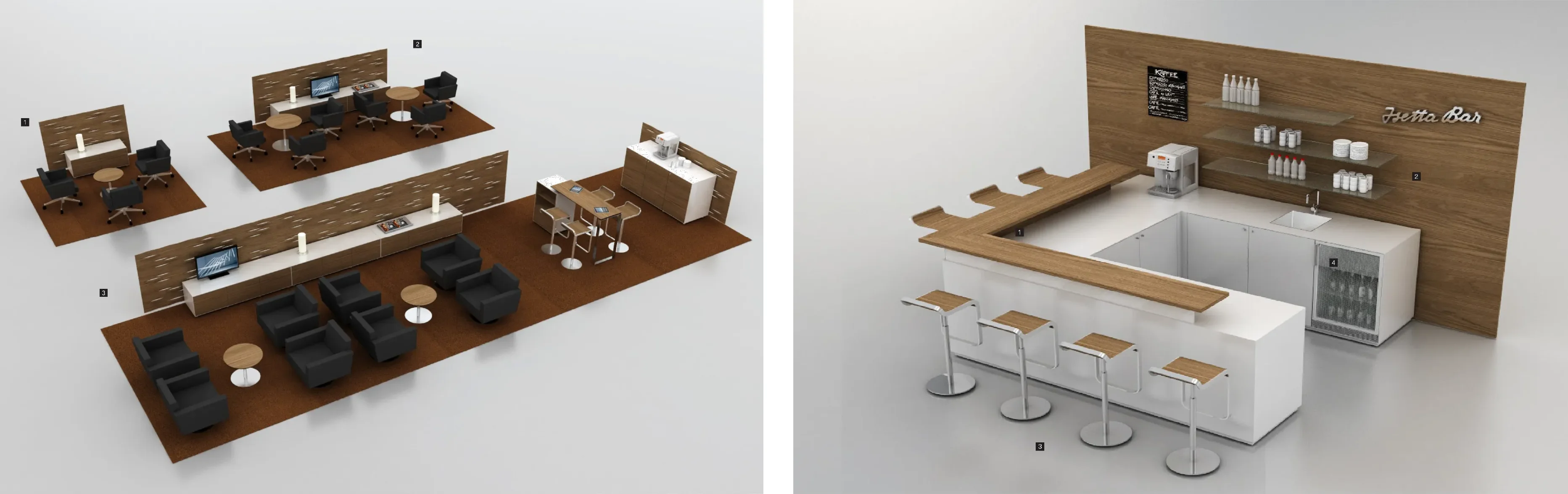
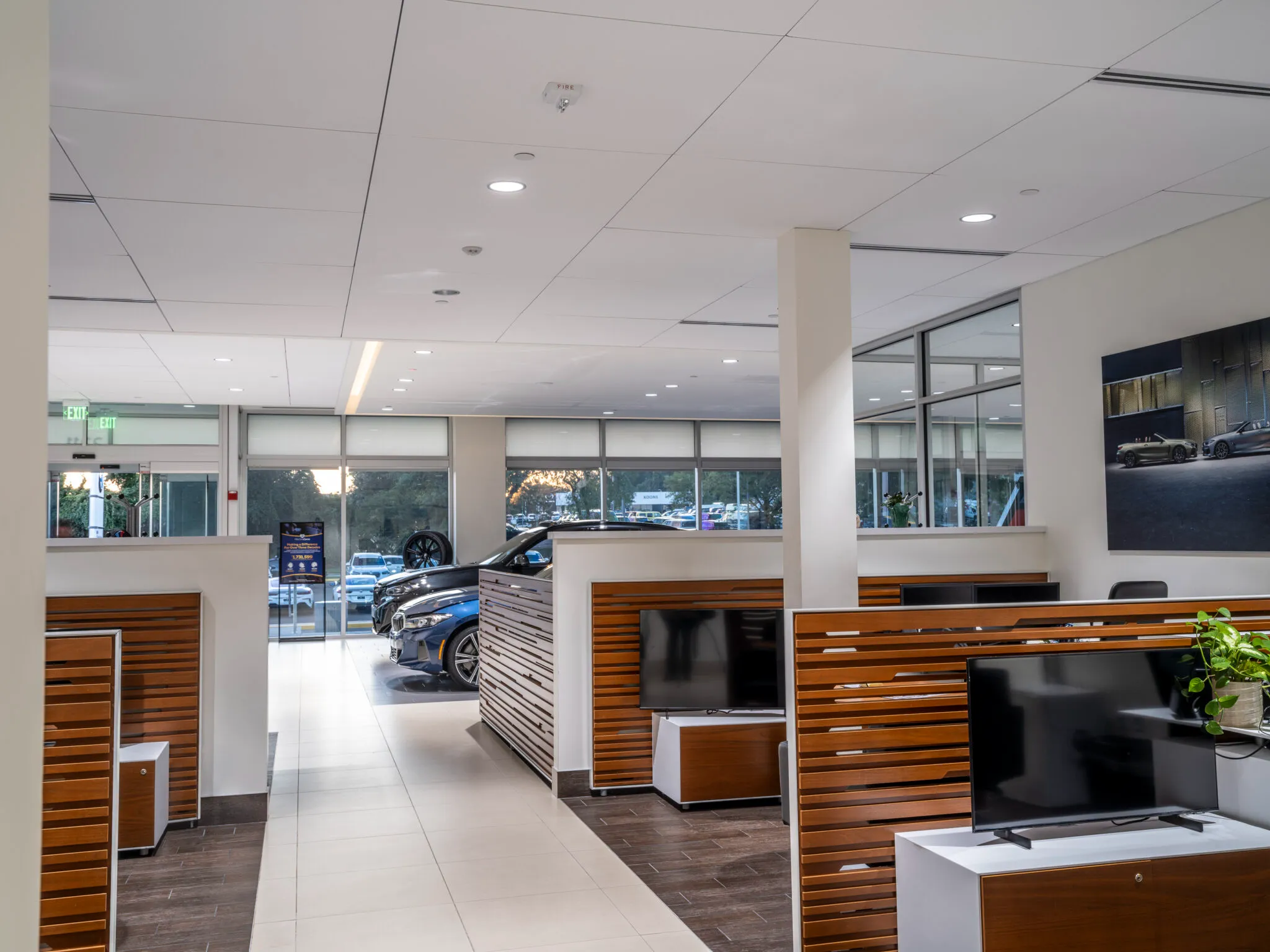
High-quality finishes were introduced to reinforce BMW’s premium images: sleek glass walls, polished surfaces, and lighting designed specifically to enhance the forms and colors of the vehicles. The customer lounge was reimagined as a comfortable, upscale retreat rather than a simple waiting room, offering an experience that matched the excitement of test driving a BMW.

funiture 1 4

Meeting the Challenges

Renovations are rarely straightforward, and BMW of Silver Spring was no exception. One challenge was completing the work while minimizing disruption to the dealership’s daily operations. Staging construction in phases allowed sales and service teams to continue serving customers without compromising safety or efficiency.

img 5128 2048x1536

Another challenge was balancing BMW’s corporate design standards with the practical realities of the existing building. Not every element could be rebuilt from scratch, so creative architectural solutions were developed to integrate new features into the old framework without sacrificing consistency or quality. The result was a dealership that feels entirely new, even though its foundation has been there for decades.

img 9020

The After: A New Standard

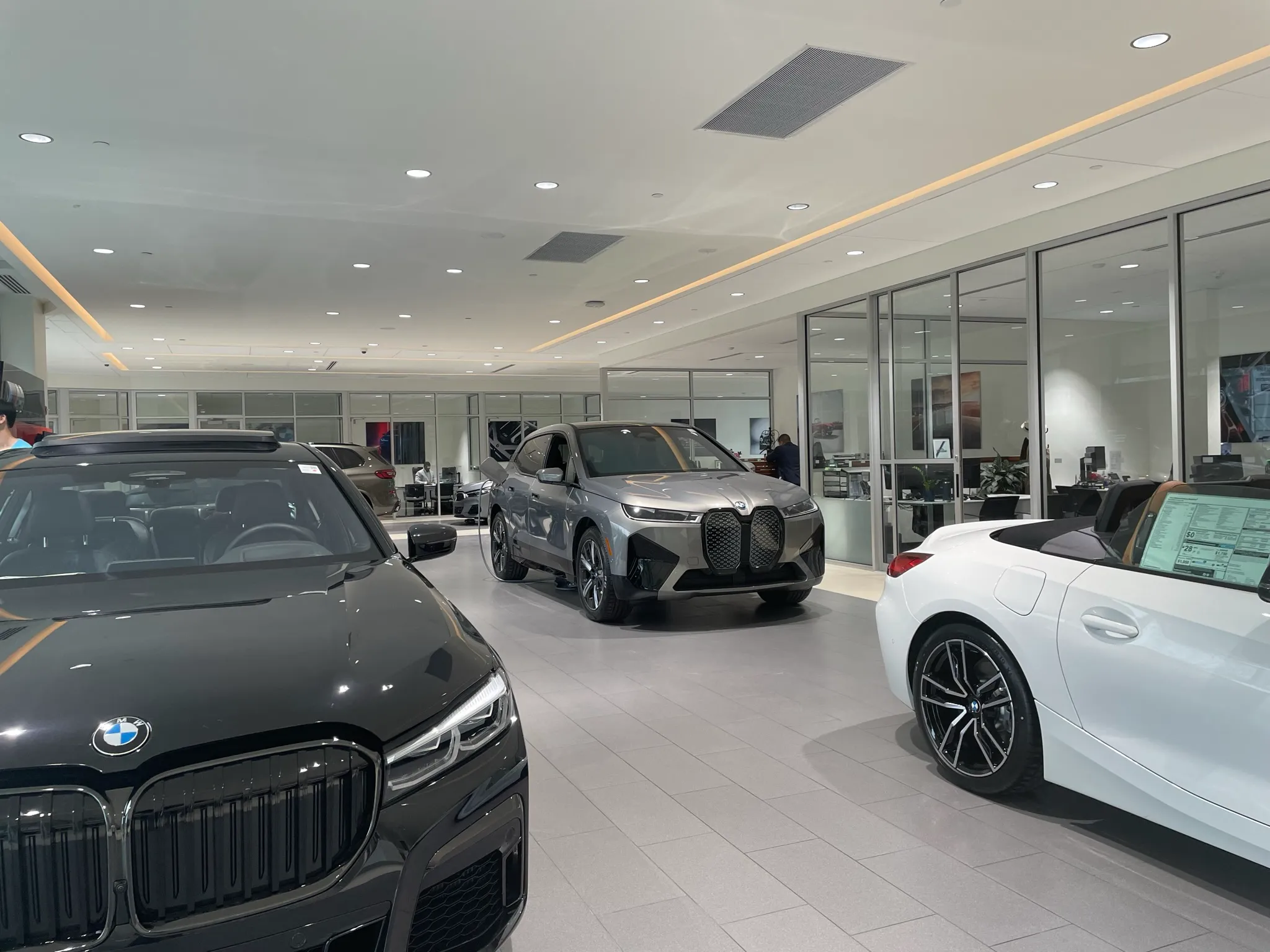
Today, BMW of Silver Spring is more than a renovated facility, it’s a revitalized experience. The showroom feels open and inviting, with vehicles displayed like works of art. Customers can move easily from browsing to consultation, with spaces designed for personal conversations and digital engagement. The lounge provides a sense of comfort and exclusivity, while the service areas are efficient, transparent, and capable of handling today’s mix of combustion and electric vehicles.

gilbert 20230914 0360 2048x1361

The transformation demonstrates how architectural design can reshape perception. What was once a serviceable dealership is now a destination that communicates BMW’s brand values at every turn. For customers, the new space enhances the sense of excitement and pride that comes with owning a BMW. For staff, it provides an environment that supports productivity and reflects the prestige of the vehicles they represent.

gilbert 20230914 0290 2048x1536

More Than Just a Facelift

This project highlights how dealership renovations can go beyond aesthetics. At Penney Design Group, we believe every renovation is an opportunity to rethink functionality, improve sustainability, and prepare for the future. In Silver Spring, that meant designing spaces that could accommodate electric vehicle infrastructure, integrating energy-efficient lighting and mechanical systems, and creating flexibility for future changes in showroom or service needs.

gilbert 20230914 0286 2048x1536

By approaching the project holistically, the renovation achieved more than a visual update—it provided a platform for the dealership to thrive in the years ahead.

Looking Forward

BMW of Silver Spring now stands as an example of what a thoughtful renovation can achieve. It shows that dealerships don’t need to start from scratch to make a powerful statement. With the right vision, planning, and execution, an existing facility can be transformed into a flagship-caliber destination that elevates the brand and enhances the customer’s journey.

gilbert 20230914 0289 2048x1536

At Penney Design Group, we’re proud of the transformation and the partnership that made it possible. It’s proof that design, when done well, has the power to not only change a building, but also reshape an entire experience.

gilbert 20230914 0238 pano edit 2048x625

Top 5 Emerging Interior Architectural Finishes of 2025

Looking Ahead at Design

Every year, architecture and design evolve to reflect not only new aesthetic preferences but also cultural shifts, technological progress, and sustainability goals. In 2025, interior finishes are playing a larger role than ever before in shaping how spaces feel, function, and endure. At Penney Design Group, we’ve noticed clear trends emerging across commercial, residential, and automotive projects, pointing toward materials and finishes that are not only visually striking but also more sustainable, adaptive, and user focused.

top 5 emerging interior architectural finishes of 2025 5

Sustainability as a Standard

One of the strongest trends is the move toward finishes that reduce environmental impact without sacrificing beauty. Recycled surfaces, responsibly sourced wood veneers, and bio-based composites are no longer niche, they are mainstream choices. Many of today’s clients expect eco-friendly options as part of their project, and manufacturers are responding with finishes that perform as well as traditional materials while offering smaller carbon footprints.

We’ve seen this in flooring made from reclaimed materials that balance durability with warmth, as well as surface laminates derived from plant-based resins. These finishes reflect a growing awareness that sustainability is not a luxury, but a necessity. In 2025, it’s not just about what looks good today, it’s about how materials support long-term stewardship of resources.

top 5 emerging interior architectural finishes of 2025 7

High-Performance Surfaces

As buildings become more flexible and multi-functional, finishes must rise to the challenge of constant use. High-performance surfaces that resist wear, staining, and scratching are gaining momentum. Matte ceramic finishes, ultra-durable quartz composites, and antimicrobial coatings are showing up in both public and private spaces.

For dealerships, like the ones we design, this durability is essential. Customers interact with these surfaces daily, and they need to hold up under heavy foot traffic while still maintaining a polished look. Finishes that provide resilience without appearing overly industrial are defining the next wave of interior design.

top 5 emerging interior architectural finishes of 2025 6

Textures that Tell a Story

Flat, glossy finishes are giving way to surfaces with depth and dimension. Textured wall panels, tactile stone surfaces, and layered wood treatments create interiors that invite touch as much as they invite sight. This move toward texture reflects a broader cultural desire for authenticity and connection—materials that feel real and human, even in high-tech spaces.

In projects we’ve completed recently, we’ve seen how texture can define a space. A dealership lounge with textured acoustic panels, for example, doesn’t just absorb sound, it creates a feeling of calm and warmth that makes the space more inviting. In 2025, finishes are being asked to deliver both function and emotional resonance.

top 5 emerging interior architectural finishes of 2025 4

Metallics with Subtlety

Metallic finishes remain popular, but they are shifting toward softer, more refined expressions. Brushed brass, muted bronze, and satin aluminum are replacing the high-shine chrome that dominated in years past. These metals add sophistication without overwhelming a space, complementing other materials rather than competing with them.

In luxury environments, metallic accents are becoming the detail that elevates a space from standard to exceptional. Whether used in trim, hardware, or accent walls, the trend in 2025 is toward metallics that whisper refinement rather than shout for attention.

top 5 emerging interior architectural finishes of 2025 1

Smart and Adaptive Materials

Perhaps the most exciting trend in finishes is the rise of smart materials. Photochromic glass, which adjusts its opacity depending on light levels, and surface coatings that actively improve indoor air quality are making their way into mainstream architecture. These adaptive finishes merge technology with design, providing a glimpse into the future of interior environments.
For clients, these materials offer not just aesthetic appeal but measurable improvements in comfort and performance. They represent a shift from finishes being static backdrops to being active participants in how a space functions.

top 5 emerging interior architectural finishes of 2025 2

Bringing It All Together

The top finishes of 2025 share a common thread: they are designed not only to look beautiful, but to perform, to last, and to respond to the evolving needs of people and the planet. From sustainable surfaces to adaptive smart materials, these finishes represent the intersection of design, technology, and responsibility.

At Penney Design Group, we approach every project with an eye toward what’s next. Whether we are designing a flagship dealership, a mixed-use development, or a private residence, these emerging finishes are shaping how our spaces look and feel. As the industry continues to evolve, these materials will help us create environments that are not only striking today but resilient tomorrow.

top 5 emerging interior architectural finishes of 2025 3

Navigating OEM Design Standards in Automotive Projects

The Role of OEM Standards in Dealership Architecture

Automotive architecture comes with a unique challenge. Unlike many other commercial projects, dealerships must follow detailed brand guidelines, or OEM standards, established by manufacturers like Porsche, Lexus, and Audi. These standards influence nearly every design decision—from the exterior façade to interior finishes, lighting, and even the placement of signage. For Penney Design Group, navigating this landscape is a core part of our work. The key is balancing strict adherence to brand identity with the realities of site conditions, local regulations, and client needs.

gb 150428 3692 2 scaled

Why Standards Matter

Original Equipment Manufacturers invest heavily in creating consistent experiences for their customers worldwide. When someone walks into a Porsche dealership in Ohio, a Lexus showroom in Virginia, or an Audi facility in Pennsylvania, they expect the space to reflect the same brand values they’ve seen elsewhere. OEM standards make that possible. They create continuity and reinforce the brand image, ensuring that customers feel the same level of quality no matter where they shop.

c06 hr

gb 201025 3762 2 1

jimsinkphotography 1000 1

At the same time, these standards are not suggestions—they are requirements. They cover everything from cladding materials to furniture packages and are often updated to align with evolving corporate identities. For architects, this creates both a framework to guide design and a responsibility to translate those guidelines into functional, buildable spaces.

The Penney Approach

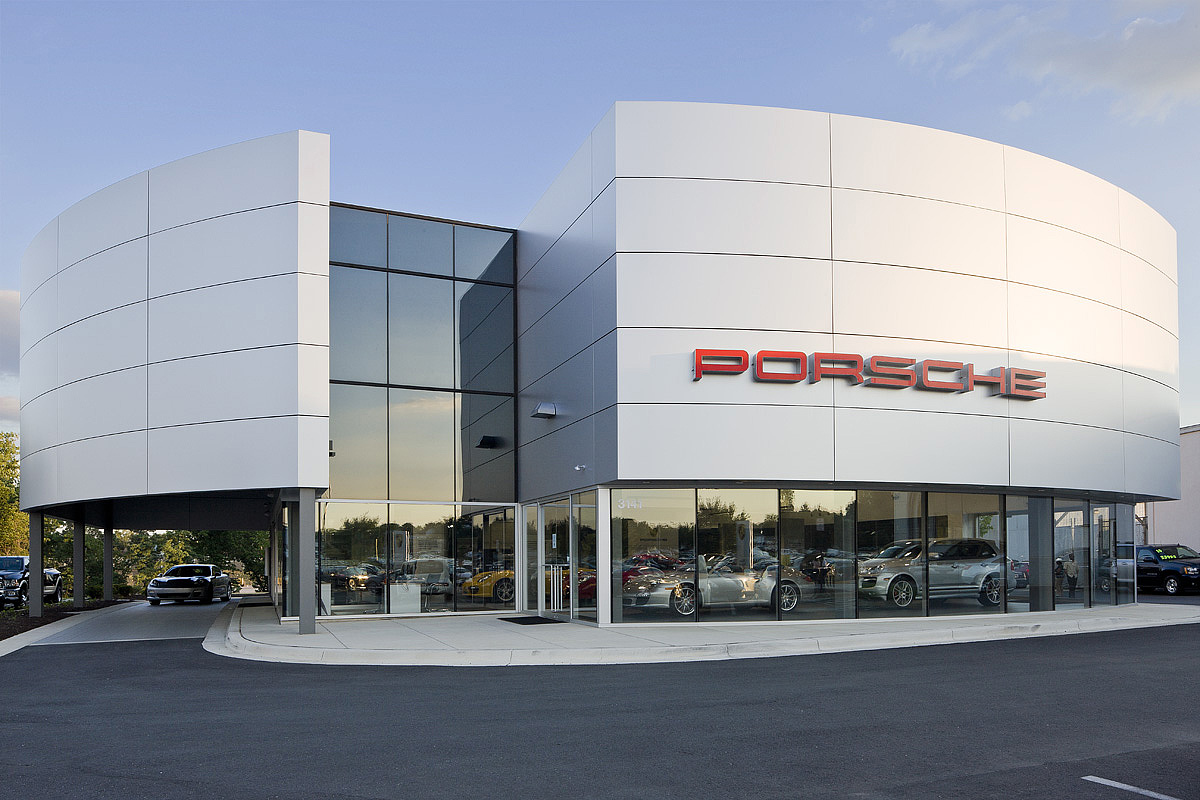
At Penney Design Group, we treat OEM standards as the starting point, not the finish line. Our goal is to interpret these requirements in a way that feels authentic to the brand while also making sense for the dealership’s specific context. A Porsche showroom may call for sleek ACM panels and bold glass curtainwalls, but the way those materials are detailed in a suburban setting may differ from an urban site.

greenwich porsche, greenwich, ct; 06/20/18

gilbert 20230831 0082

porsche exterior 1

This approach requires collaboration on every level. We work directly with OEM representatives, dealership owners, and contractors to ensure compliance while also advocating for design solutions that improve efficiency and enhance customer experience. By fostering open communication, we’re able to bridge the gap between strict corporate requirements and the practical realities of construction.

porsche chantilly interior 2020 178 2048x1152

porsche tysons 2022 81

Case Study: Porsche

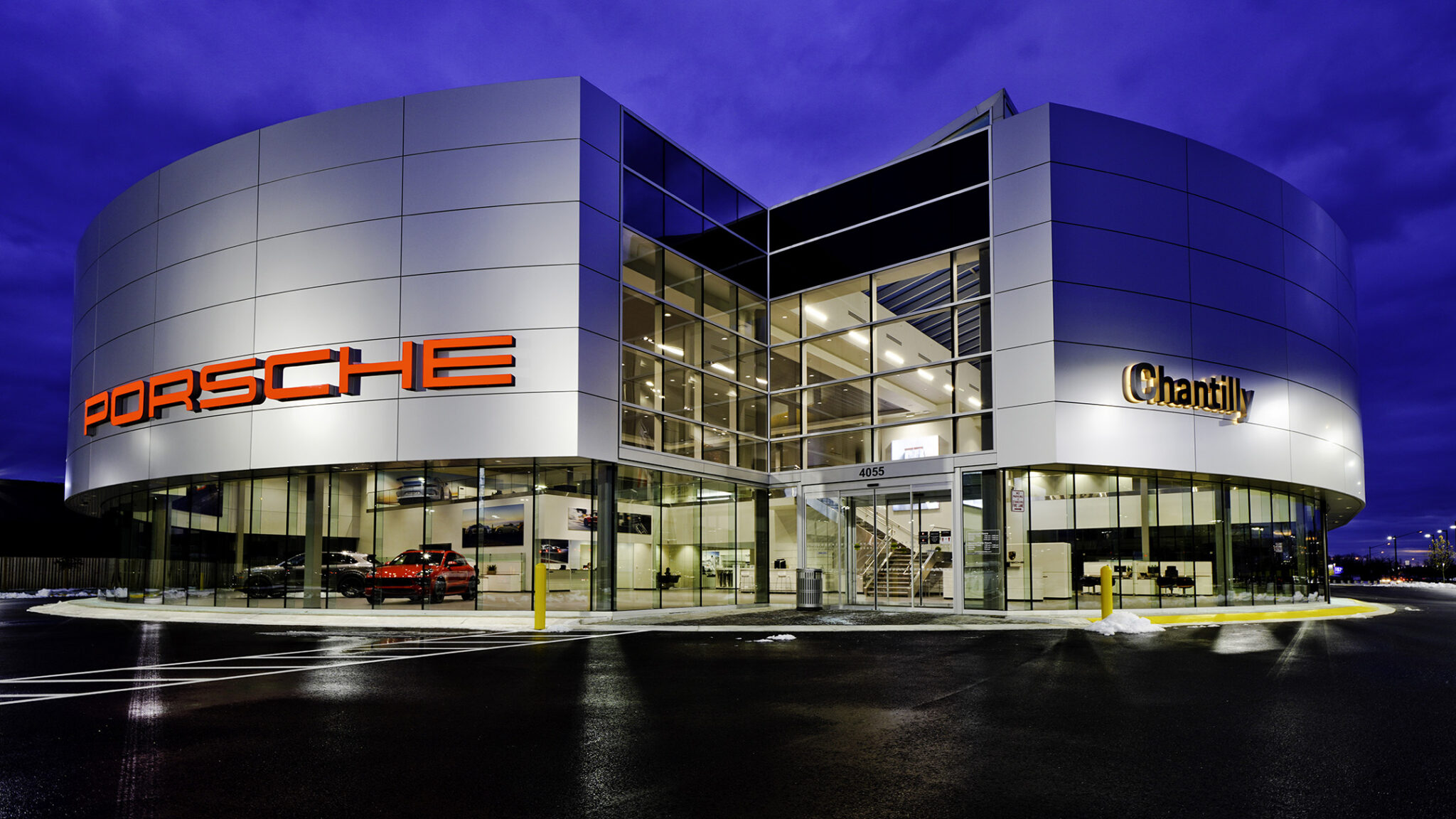
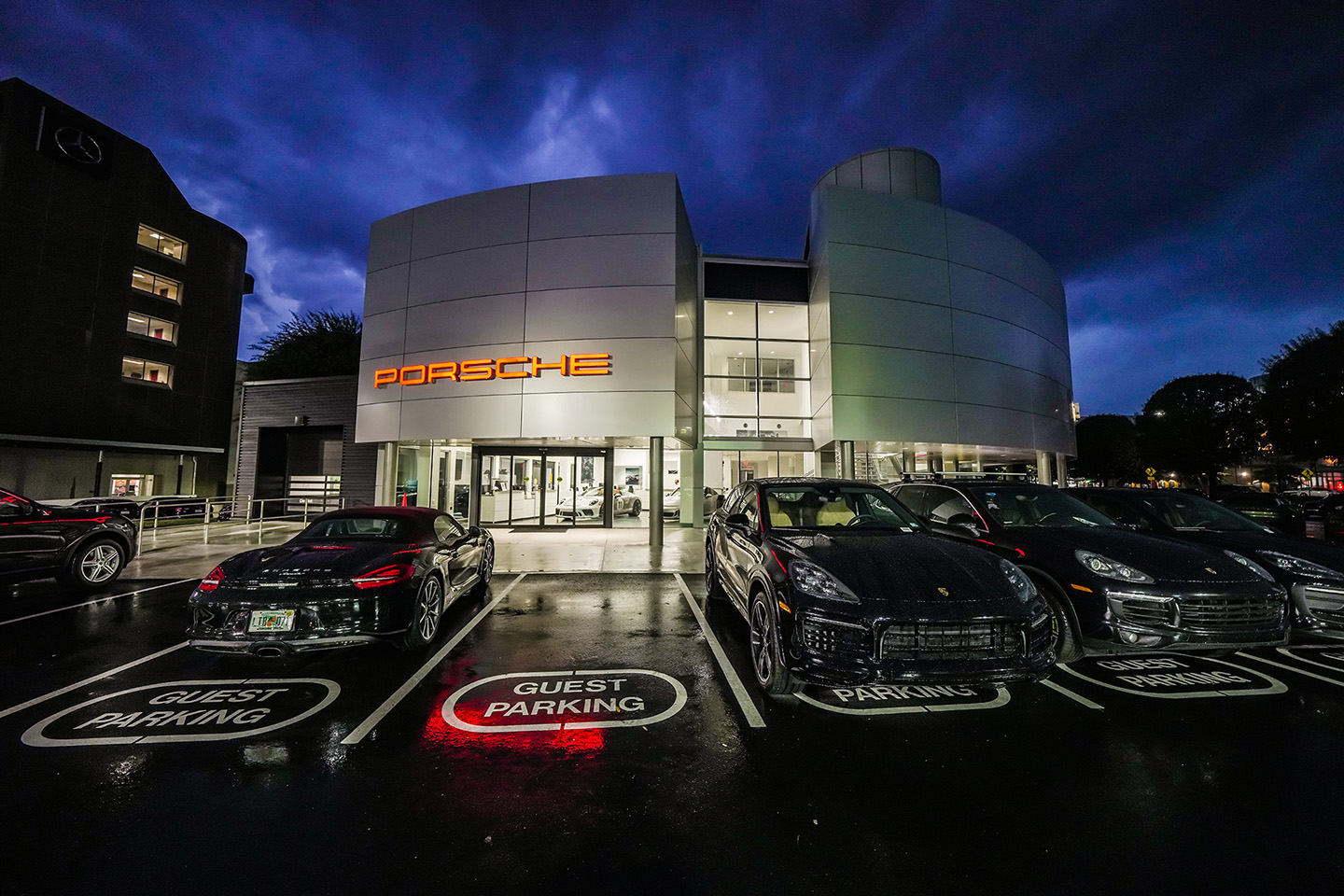
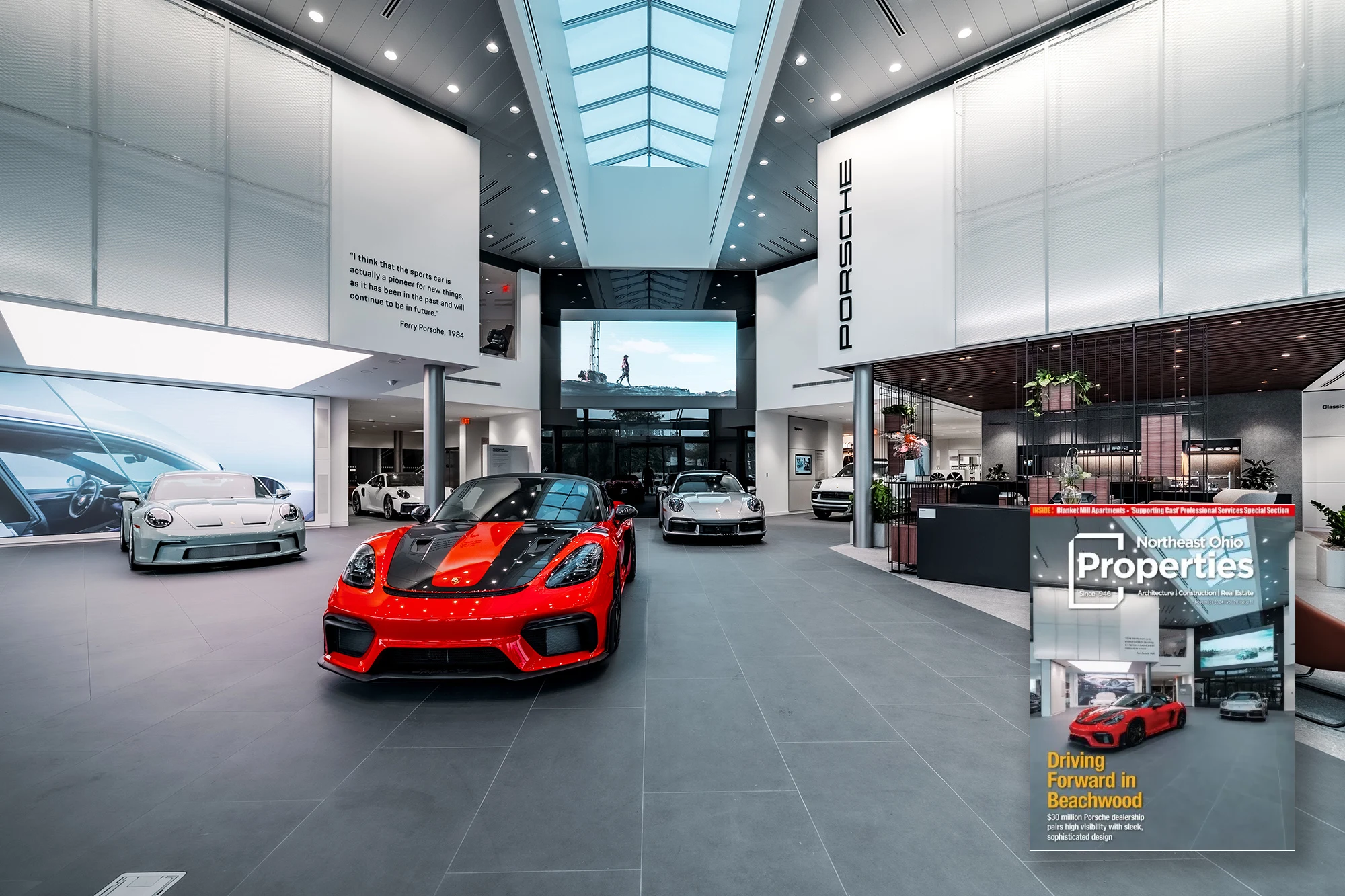
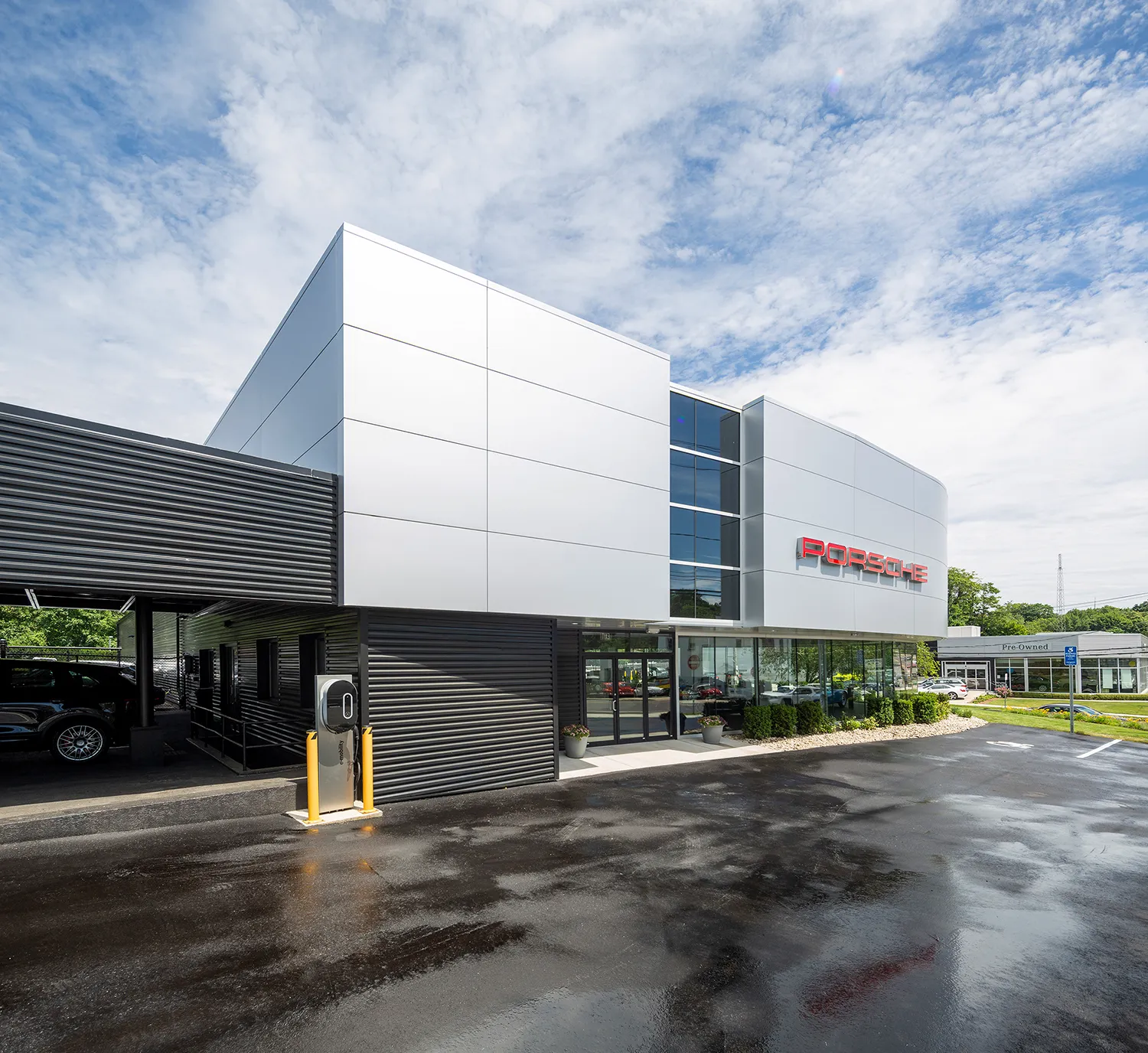
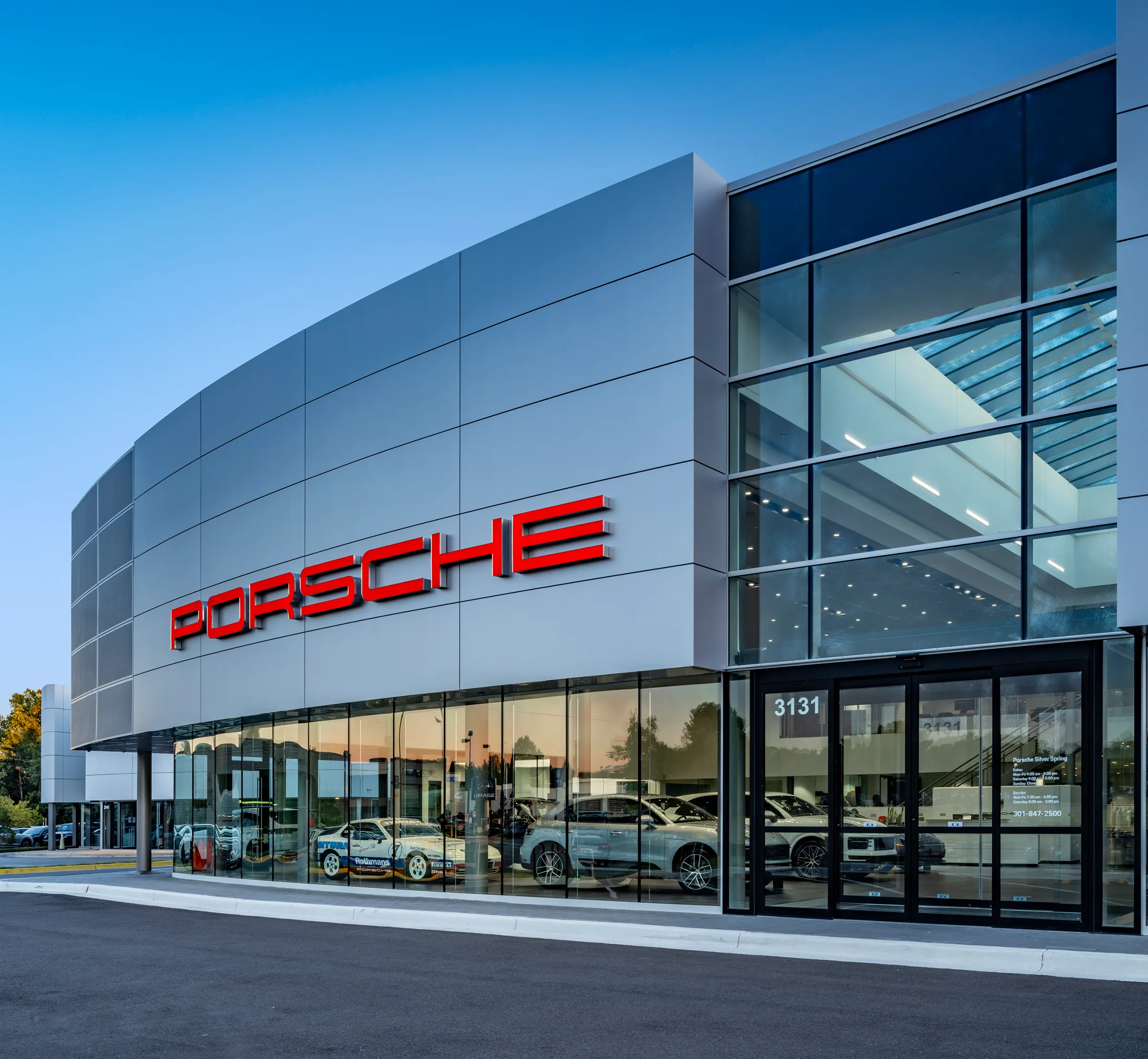
Designing to Porsche standards means working with a brand that prioritizes precision and performance in every detail. Their architectural guidelines emphasize clean lines, dramatic glazing, and bold use of branded materials. In practice, this means ensuring every seam, every joint, and every finish aligns with that vision.

drs8802 hdr

When working on Porsche Beachwood, our team collaborated closely with both Porsche and the ownership group to make sure the facility reflected the global Porsche brand while fitting the local market. The result was a showroom that won NAIOP’s New Construction Project of the Year, showing how adherence to OEM standards can produce award-winning architecture when executed with care.

Case Study: Lexus

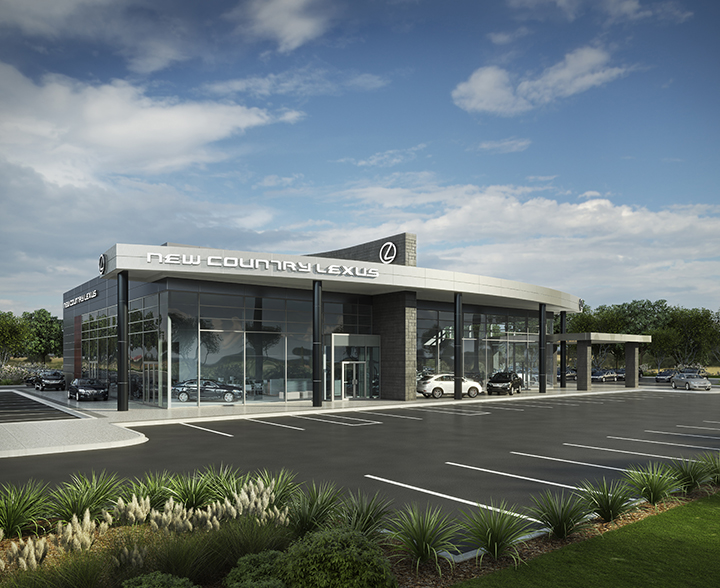
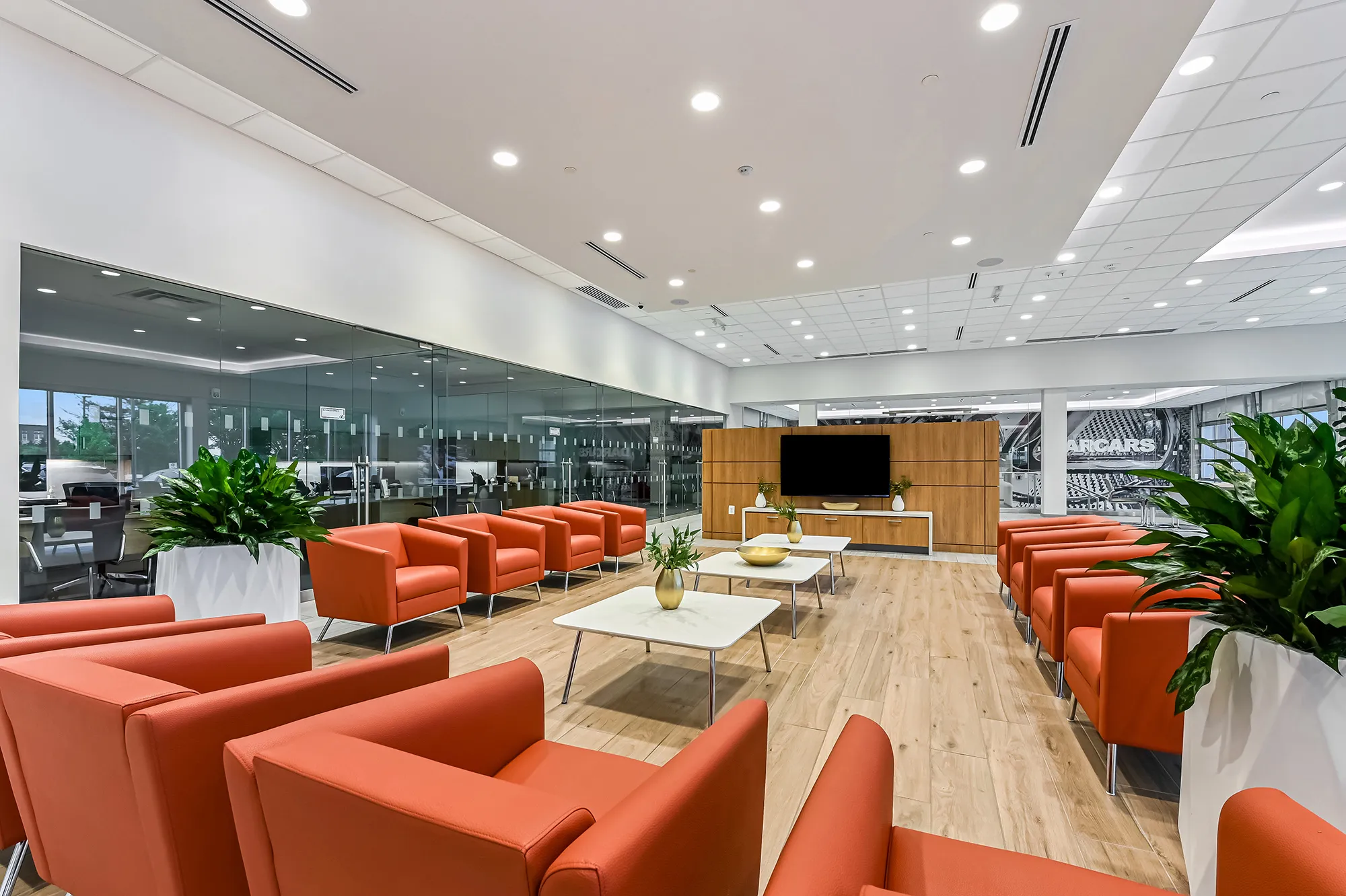
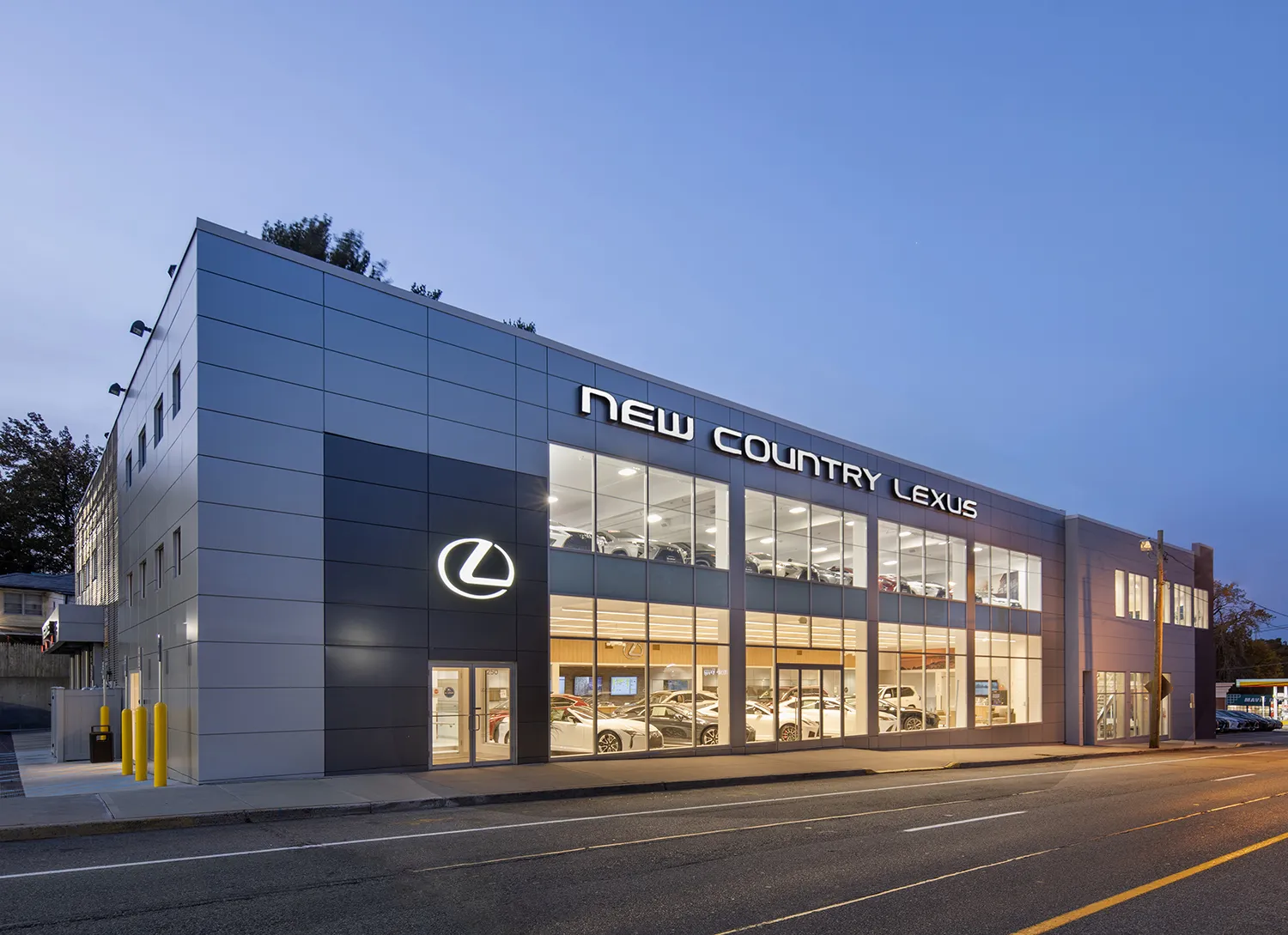
Lexus standards focus on refined luxury, with warm finishes, balanced lighting, and spaces designed to feel calm and inviting. For us, that meant paying attention to the customer journey—how the layout flowed from entry to consultation areas, how waiting lounges felt, and how lighting created a sense of intimacy. Meeting these standards required not only architectural precision but also a focus on customer psychology. The result was a dealership that felt unmistakably Lexus while supporting operational efficiency for staff.

darcars sales lexus 7

Case Study: Audi

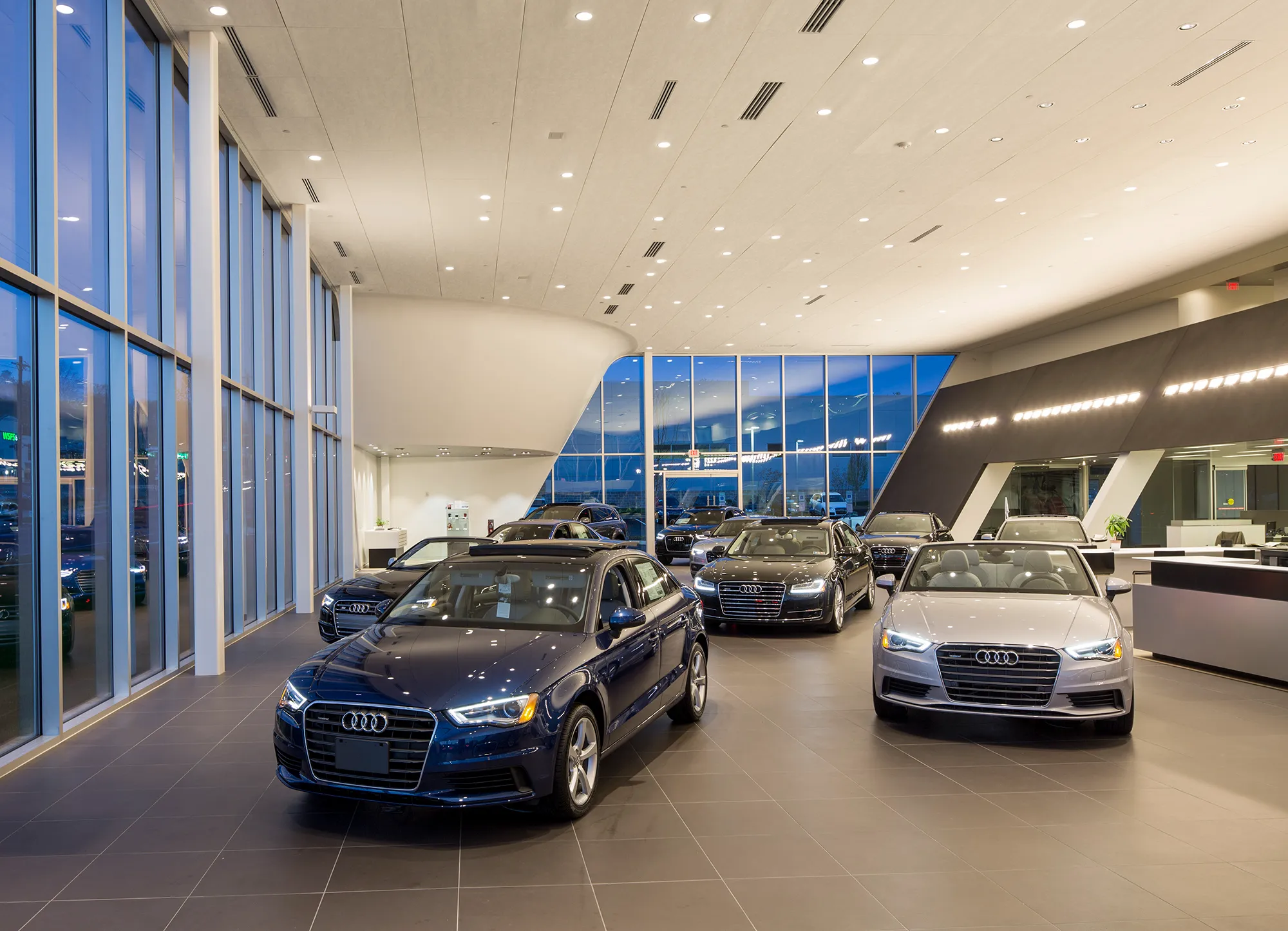
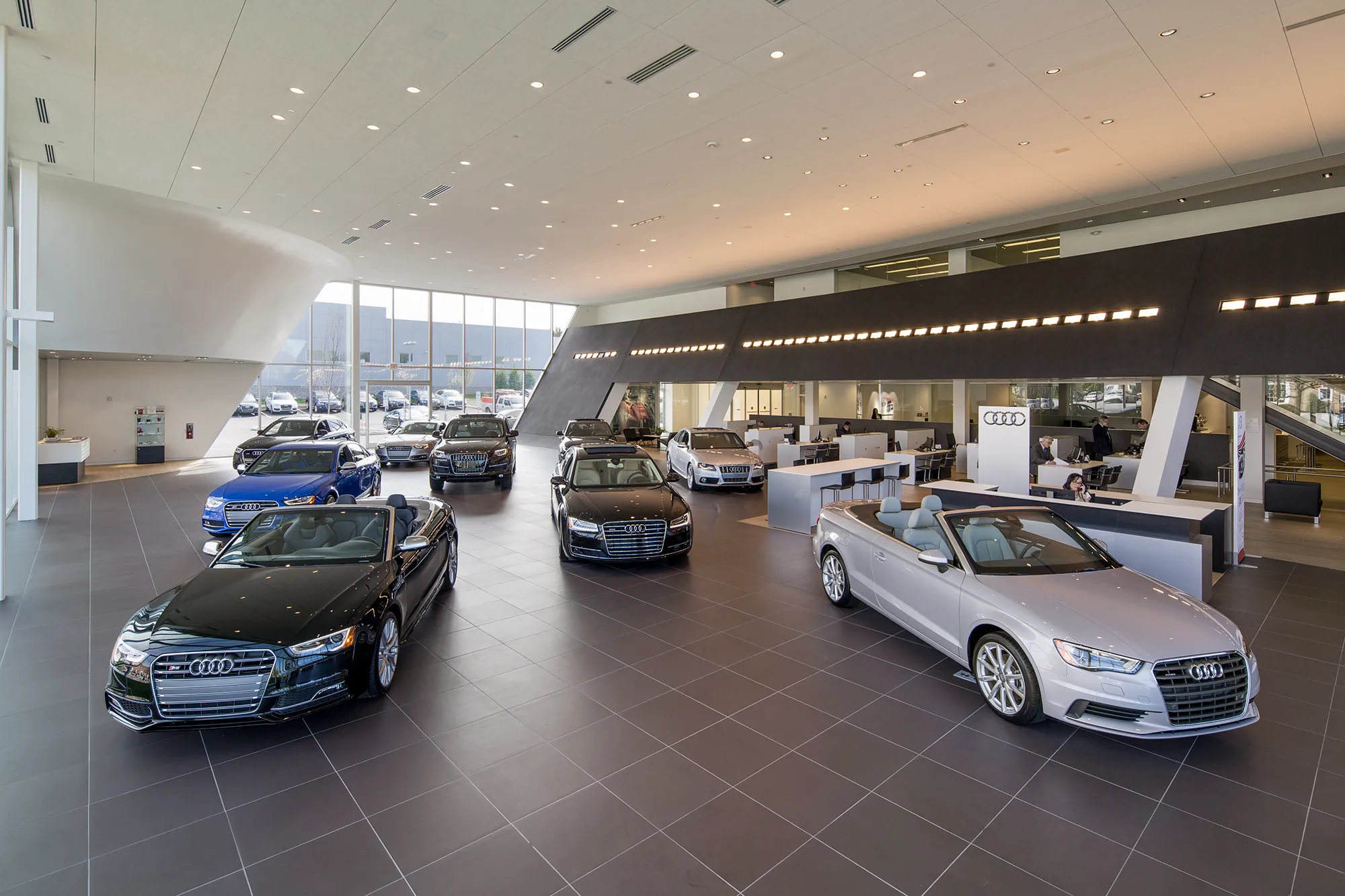
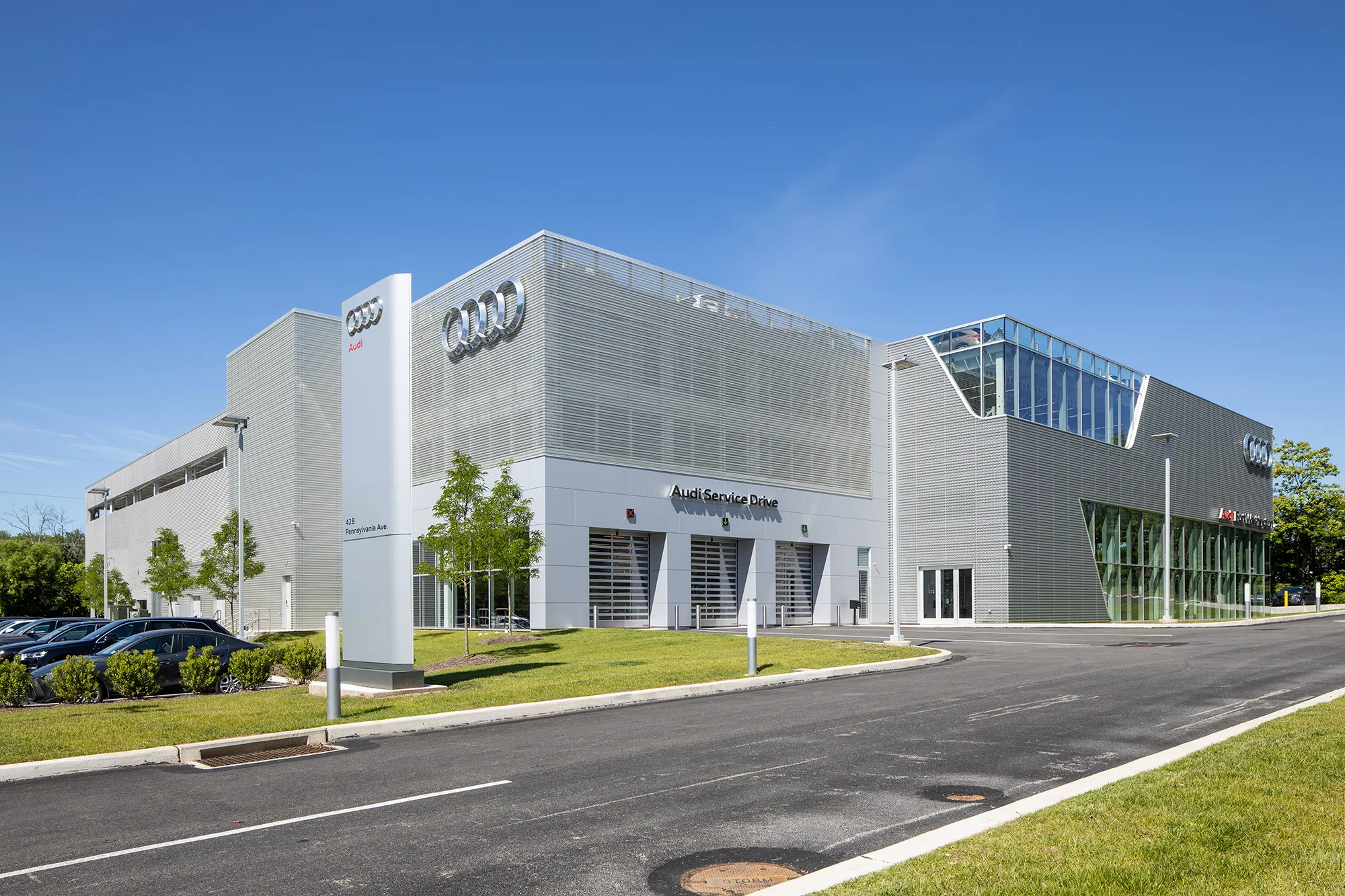
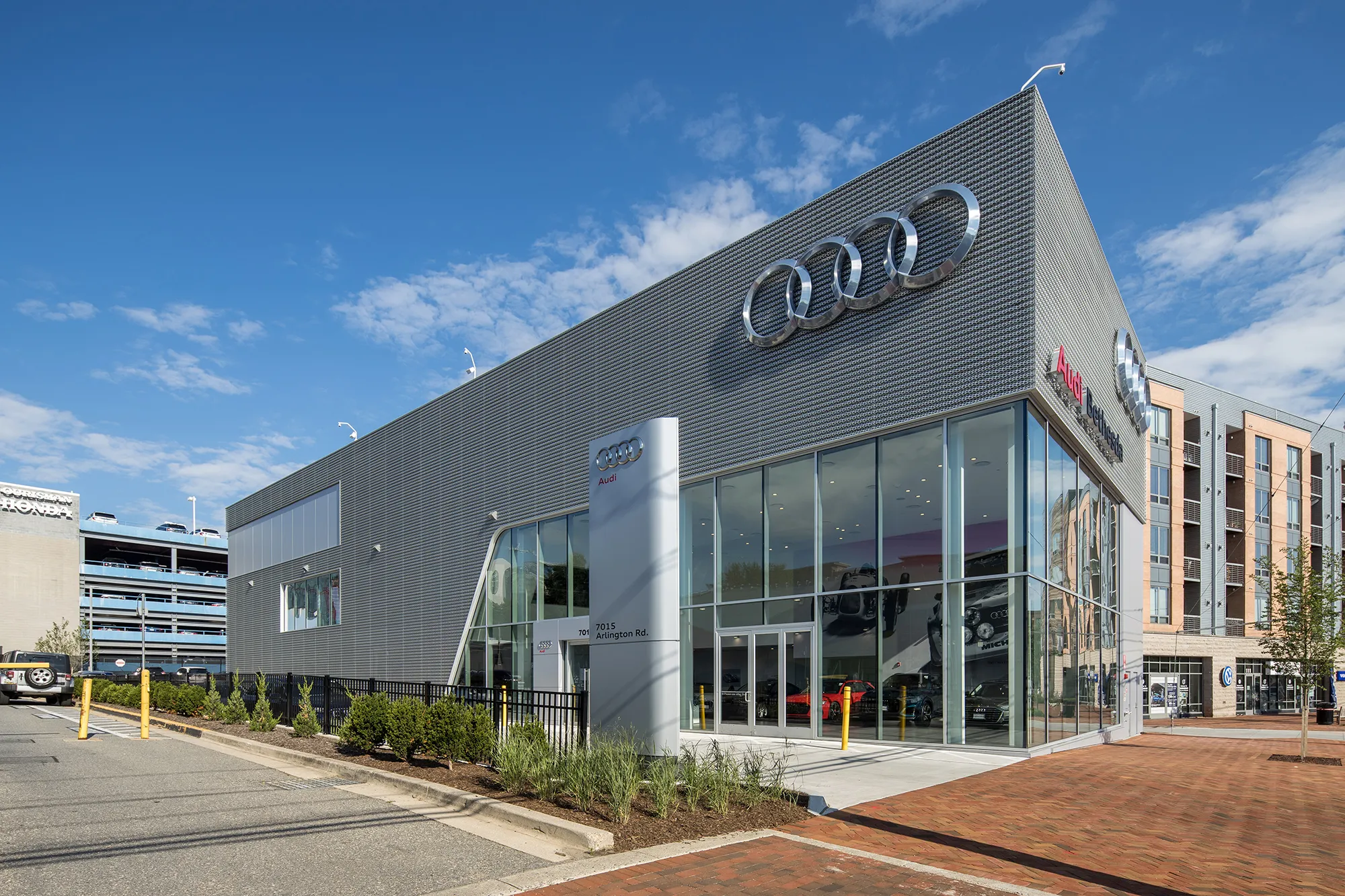
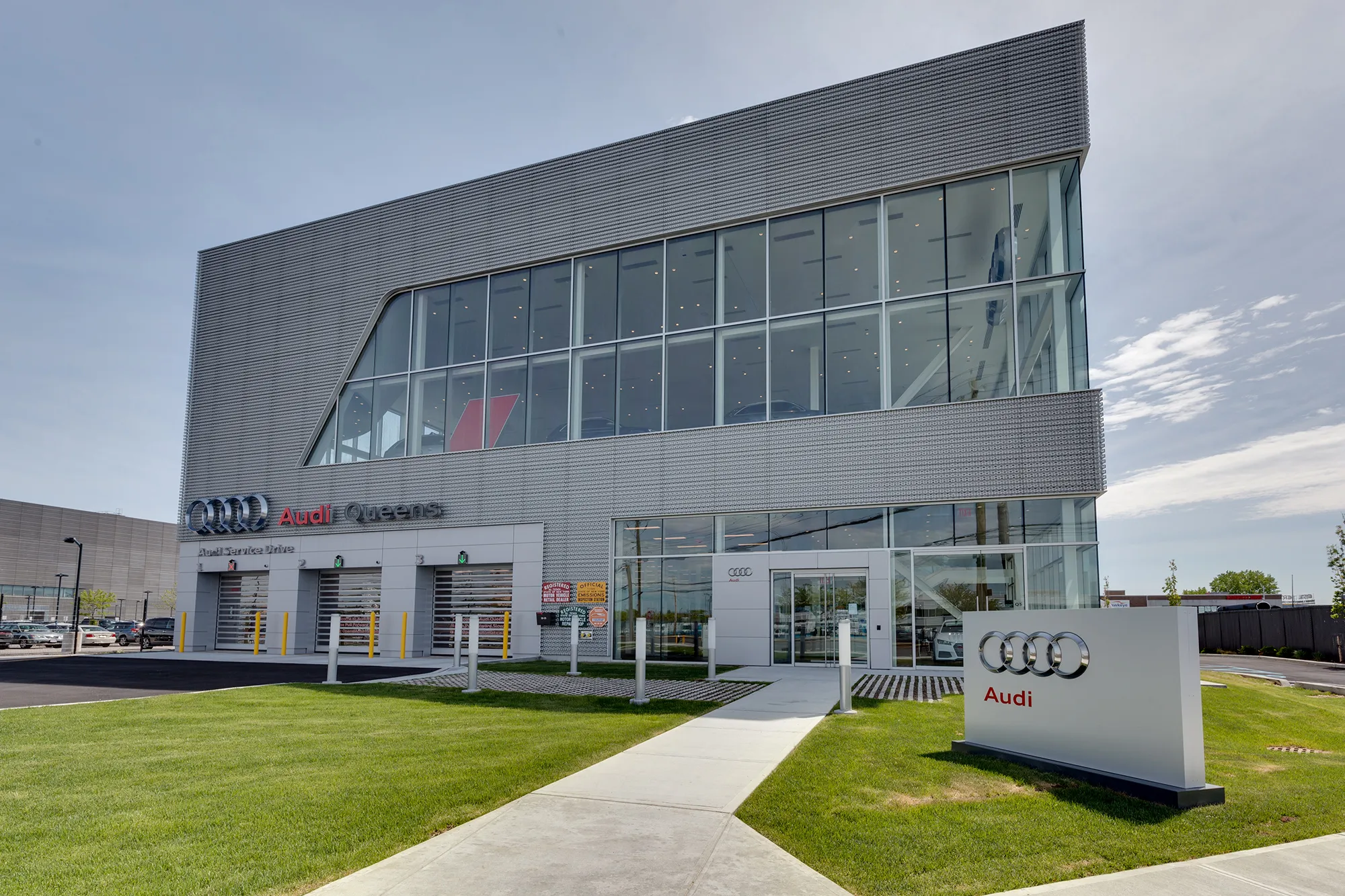
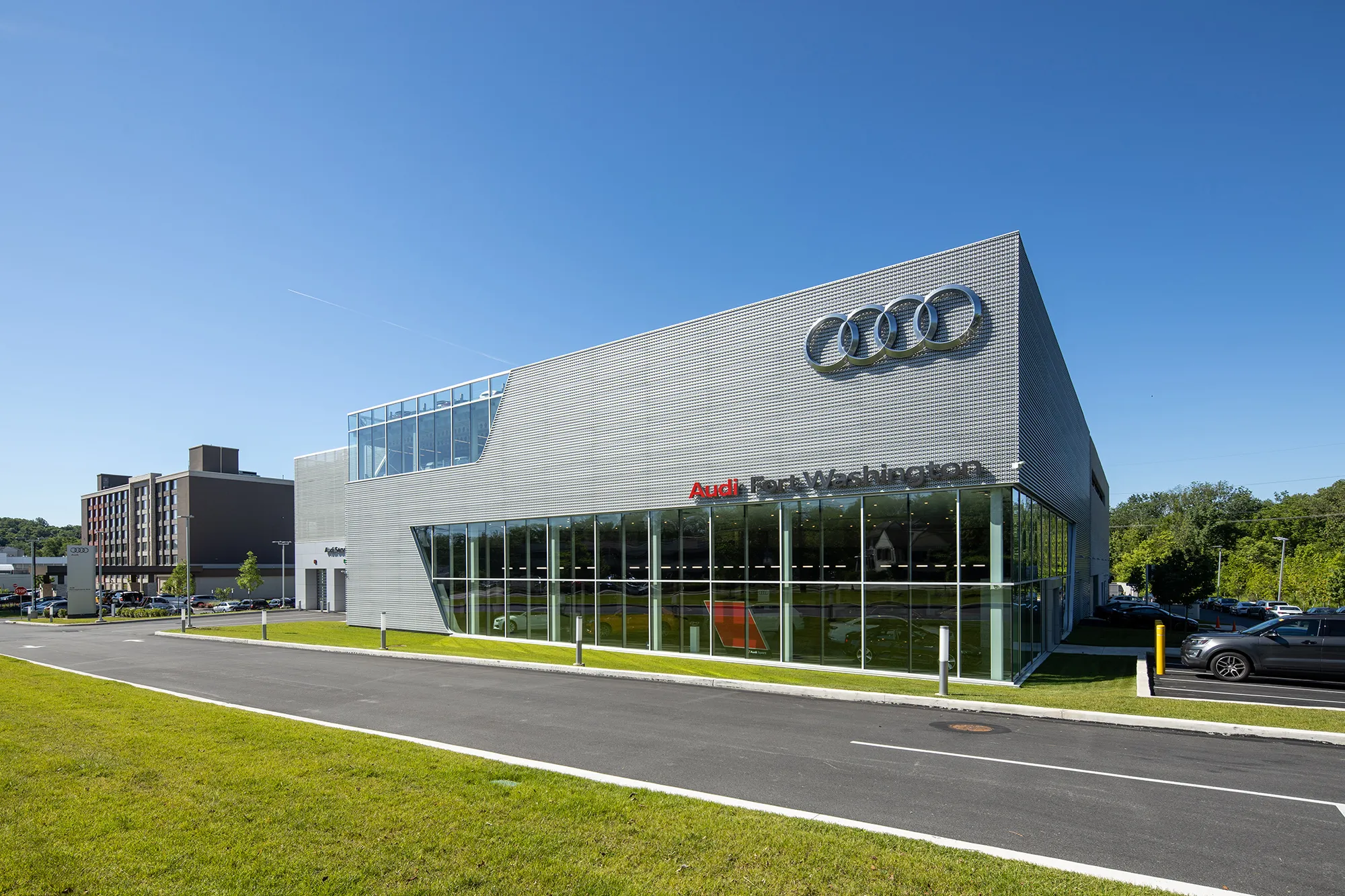
Audi’s design language emphasizes innovation and modernity. Their standards lean heavily on angular forms, bold branding elements, and a strong interplay of light and material. In our work on YBH Audi Devon, we interpreted these guidelines into a flagship facility that made the brand’s cutting-edge ethos tangible. From exterior lines that announced Audi’s presence along a major corridor to interior sightlines that guided customers seamlessly through the showroom, every element tied back to the brand’s identity.

gb 150428 3958 2

gb 150427 2395 b

Challenges and Opportunities

Adhering to OEM standards is not always simple. There are times when brand requirements conflict with zoning codes or when specified materials are not readily available in a particular market. In these cases, our role is to find alternatives that meet both the letter and spirit of the standard. This may involve sourcing equivalent materials, adjusting dimensions, or working with OEM representatives to secure approvals for minor modifications.
018 gb 190604 8675

gb 210615 3920

These challenges are also opportunities. They allow us to bring creative solutions to the table, blending brand consistency with local adaptation. Over time, this has become one of Penney Design Group’s strengths—helping clients meet global standards while delivering facilities that are tailored to their community.
mg 3230en

011 gb 190604 8601

The Bigger Picture

At the end of the day, OEM standards are about more than finishes and façades. They are about trust. Customers trust that their brand experience will be consistent and that the space they enter will reflect the quality of the vehicle they are considering. Dealership owners trust that their investment in a compliant facility will support their relationship with the manufacturer and enhance their business performance.

For us, these projects are about trust as well. Our clients trust Penney Design Group to navigate the complexity, interpret the requirements, and deliver a building that not only complies but excels. Whether it’s Porsche, Lexus, Audi, or any other OEM, we take pride in turning standards into spaces that inspire.

A Design Story: 7209 Arrowood Road Residence

At Penney Design Group, our work spans both commercial and residential architecture, from national dealership networks to one-of-a-kind homes in our own community.

Each project challenges us to think about how people move, gather, and live in the spaces we create.

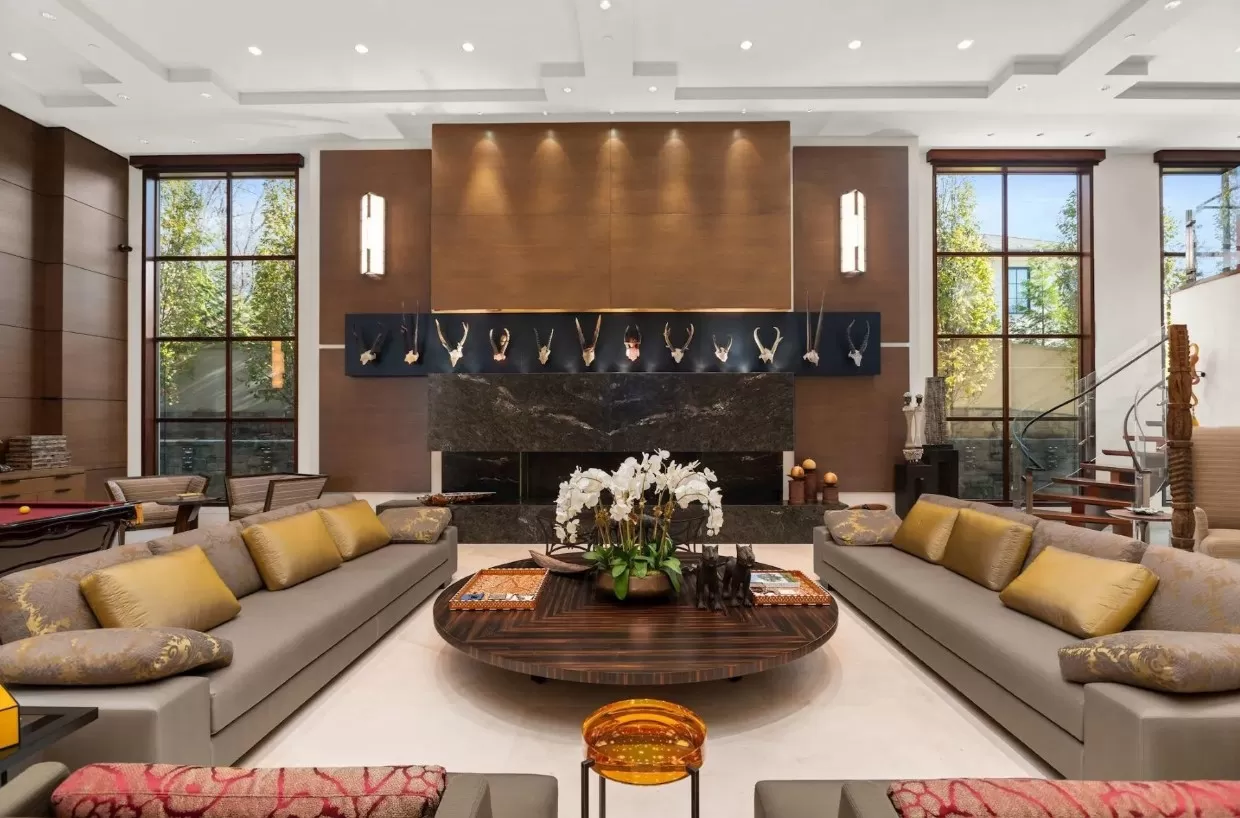
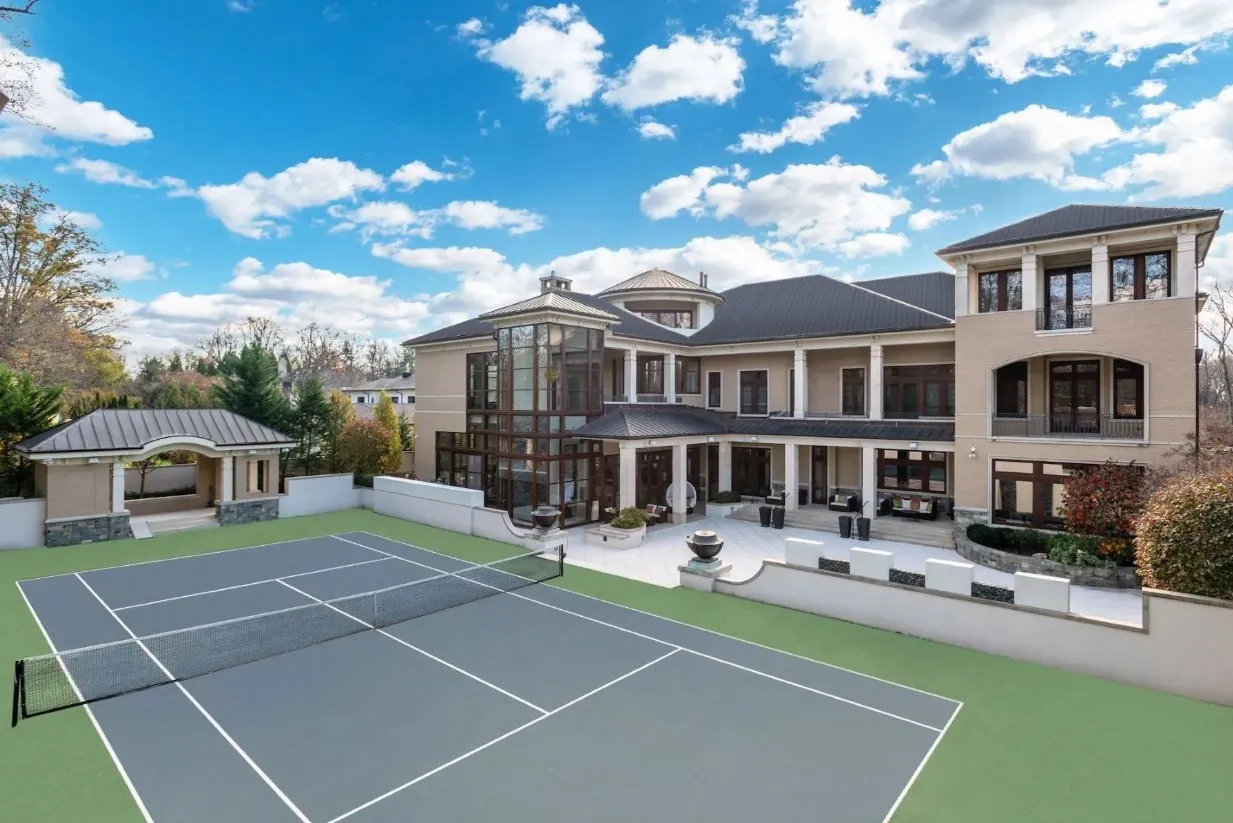
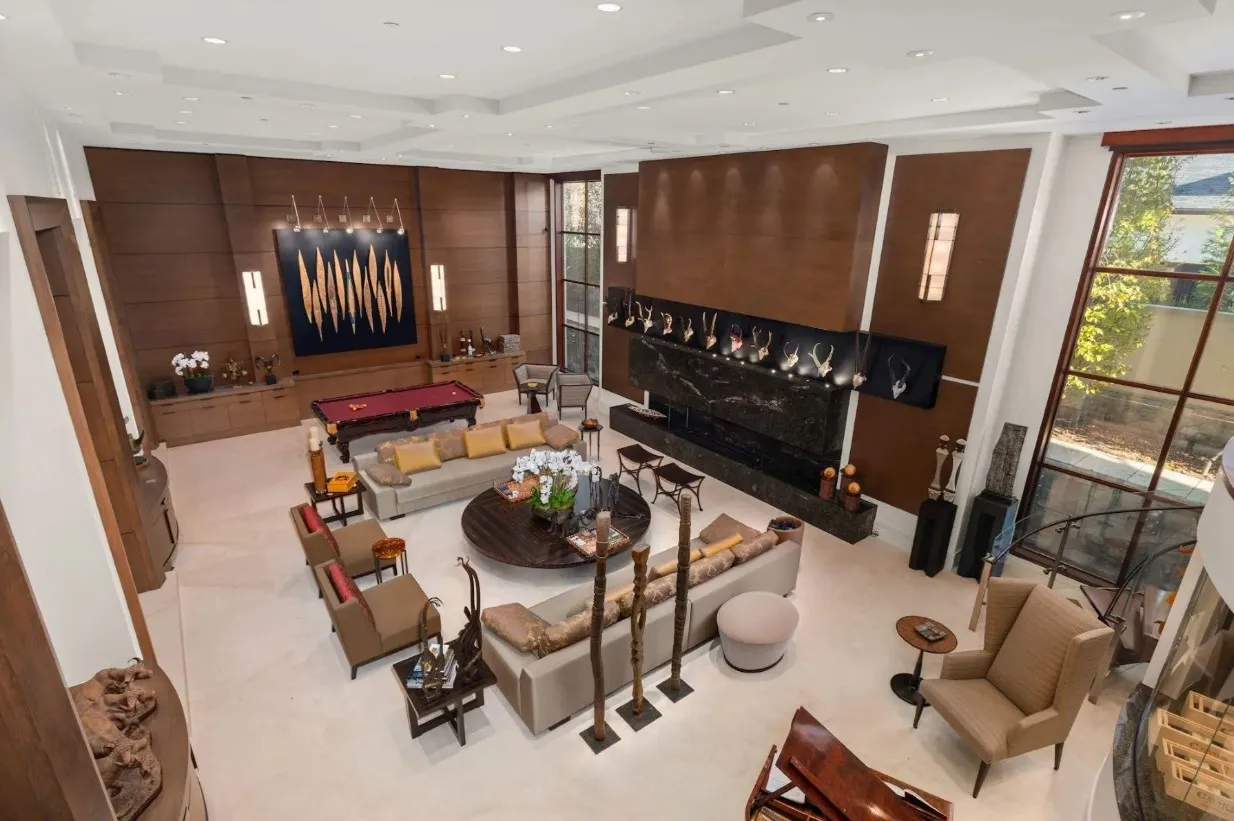
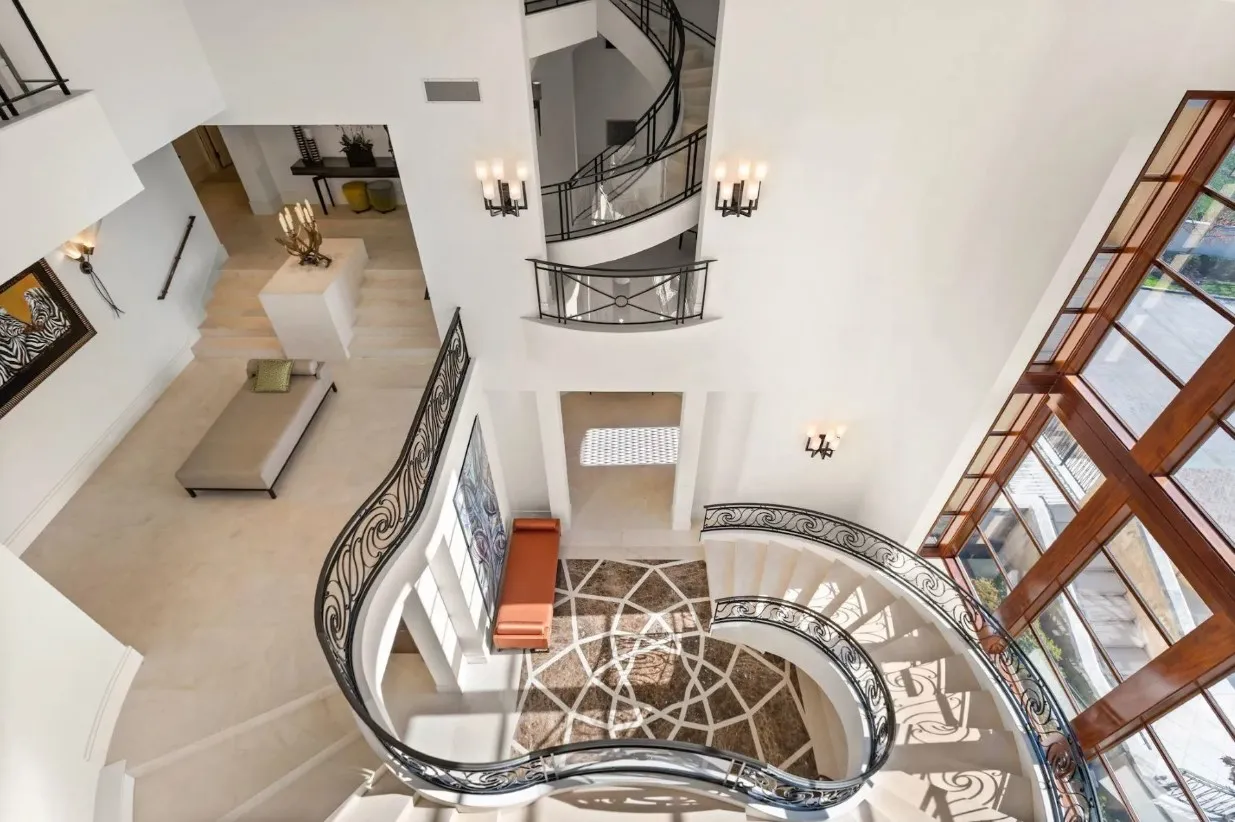
The 7209 Arrowood Road residence in Bethesda, Maryland exemplifies a large-scale Mediterranean-modern mansion, on a rare scale: 22,000 square feet spread across four levels. The house is one of the largest in the DC market.

a design story 7209 arrowood road residence 8

Designing at Scale

When approaching a home of this size, circulation and flow become as important as aesthetics. The residence is organized vertically around a commercial-grade elevator and horizontally through layered gathering spaces that balance openness with intimacy. Our design team was tasked with making a very large home feel warm, livable, and cohesive.

a design story 7209 arrowood road residence 3

The Entry Experience

The house welcomes guests with a three-story entry gallery at approximately 42’ high. This space is more than an introduction—it sets the tone for the home by blending vertical drama with a refined material palette. Exotic finishes sourced internationally add richness without overpowering the architecture.

a design story 7209 arrowood road residence 7

Everyday Living Meets Luxury

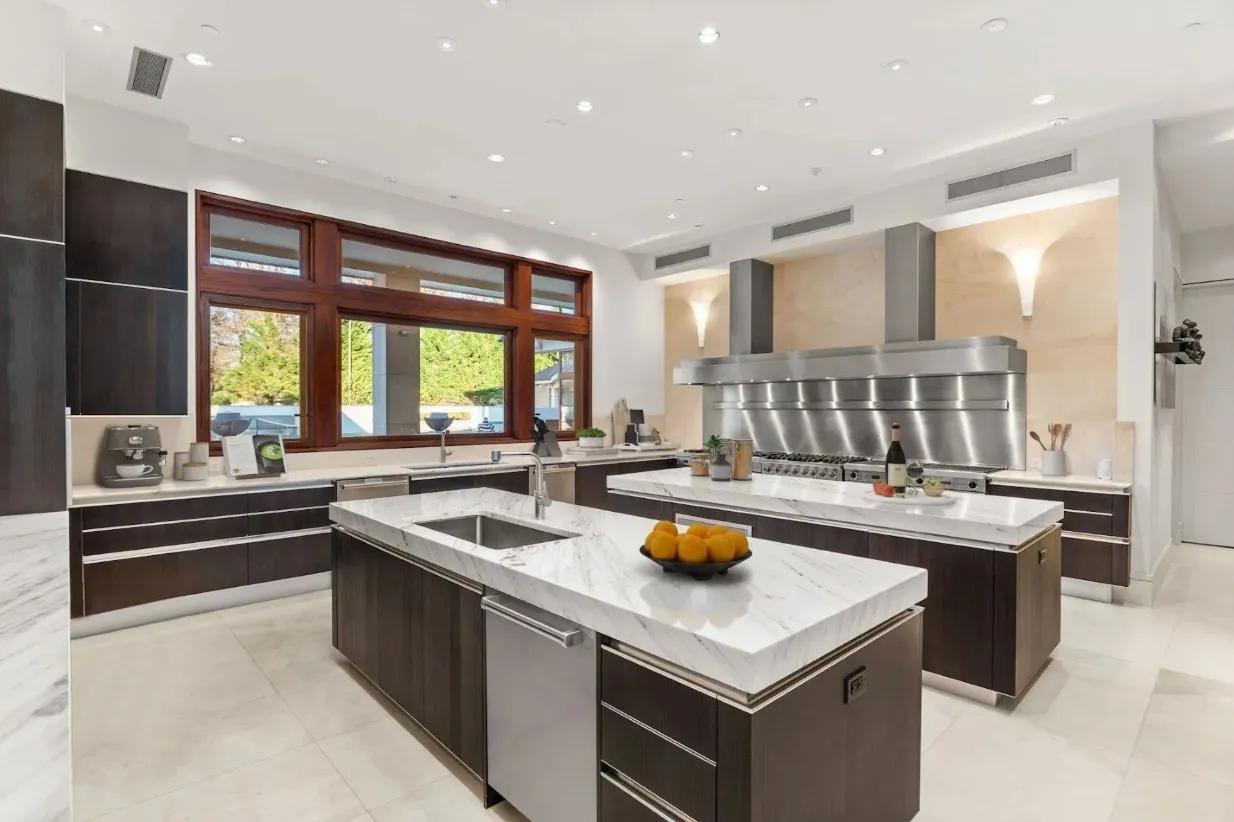
At the core of the home is a gourmet kitchen with dual islands, supported by both a butler’s pantry and a secondary pantry. The kitchen anchors a sequence of interconnected spaces: a family room that opens directly to a covered terrace, a sunlit morning room, and a glass-lined sunroom. These transitions allow for a natural movement between interior and exterior life.

a design story 7209 arrowood road residence 2

Integrating Indoor and Outdoor Spaces

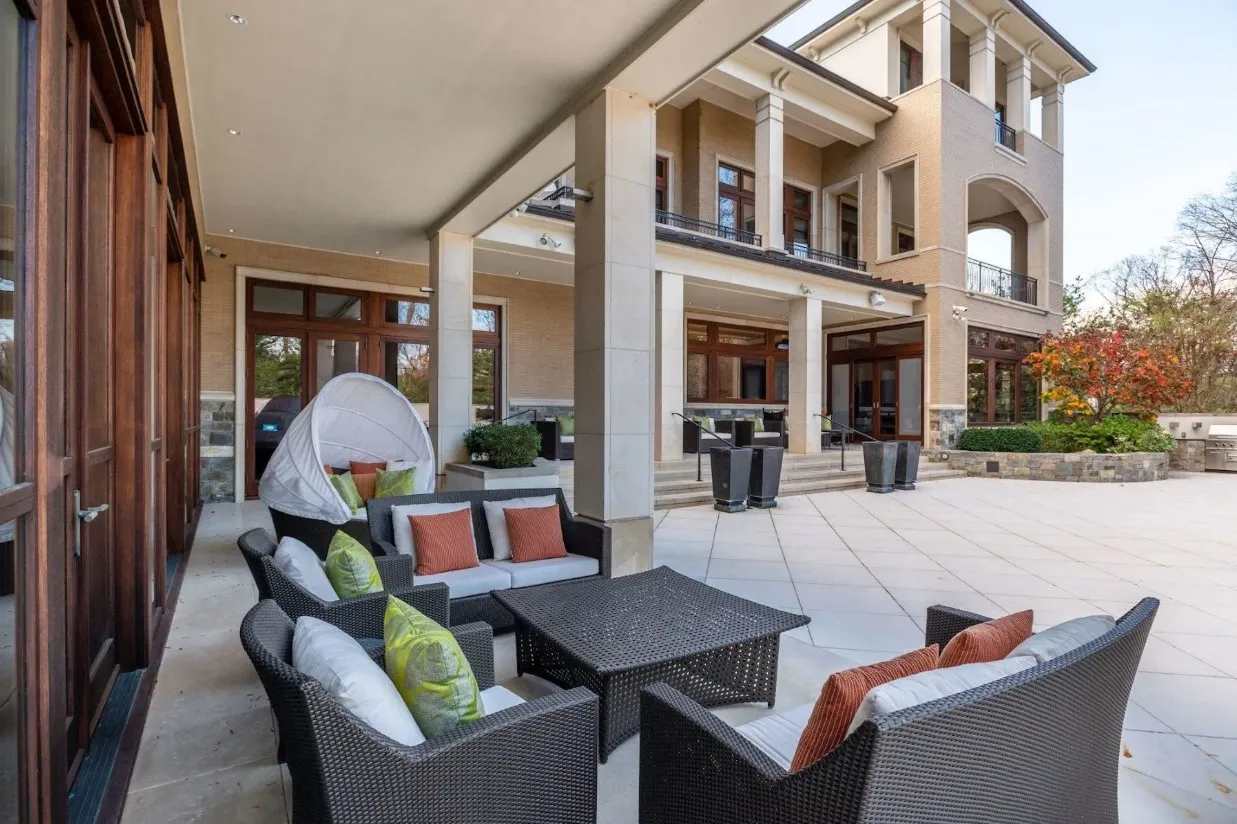
The design intentionally extends living areas to the outdoors. A covered terrace with an outdoor kitchen overlooks a landscape that includes a koi pond, swimming pool, and tennis court. These features are not add-ons but integrated elements that reinforce the home’s connection to its site.

a design story 7209 arrowood road residence 9

Specialized Spaces

The residence layers in purpose-built rooms designed for specific experiences:

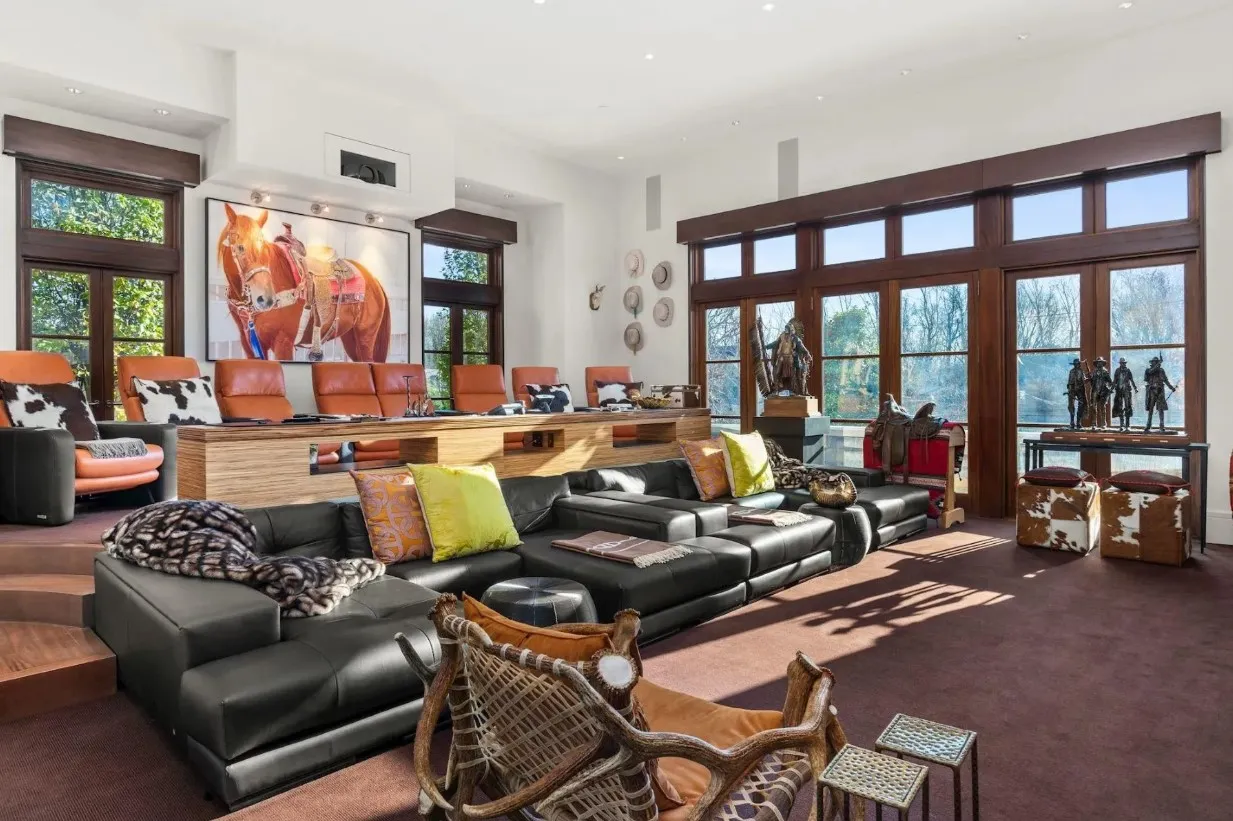
A theater room for immersive entertainment.
A library paired with a wine cellar and wet bar for quiet evenings or social gatherings.
An exercise room with direct terrace access, bringing wellness into contact with fresh air and natural light.

a design story 7209 arrowood road residence 4

Private Retreats

The primary suite is conceived as a retreat within the home, featuring dual walk-in closets, a spa-inspired bath, a sitting area, and a secluded balcony. Each additional bedroom includes its own bath and private access to outdoor terraces, giving family members and guests a sense of autonomy within the larger structure.

a design story 7209 arrowood road residence 5

a design story 7209 arrowood road residence 6

Flexibility and Wellness

The upper levels balance productivity and restoration. Two private offices with terraces provide ideal live-work spaces, while a dedicated spa suite with sauna and steam room supports wellness and relaxation. These features highlight how residential design increasingly blurs the line between work, leisure, and health.

a design story 7209 arrowood road residence 10

Entertainment and Collections

The lower level includes a playroom with a wet bar that opens onto yet another terrace, continuing the theme of indoor-outdoor connection. For car enthusiasts, garaging for seven vehicles plus a carport is seamlessly integrated into the design, reinforcing that architecture can support not only daily living but also personal passions.

Beyond Luxury

What makes 7209 Arrowood Road special is not just its size or amenities—it’s the way those elements come together into a cohesive architectural vision. The design demonstrates how commercial-scale planning and detail can be brought into the residential realm to create a home that is at once grand, functional, and deeply personal. The house is like a resort or a private cultural building compressed into a residence. The combination of a formal arrival, towering internal volumes, carefully arranged mezzanines/galleries, and purpose-built amenity spaces produces an experience that’s more about spatial sequence and material quality than about any single flashy feature.

a design story 7209 arrowood road residence 1

Designing Car Dealerships for the EV Revolution: Architecture for a Changing Market

A Market in Transformation

The automotive industry is in the midst of its most significant transformation in over a century. Electric vehicles have moved from niche products to mainstream options, and every major manufacturer is investing heavily in their EV lineup. This shift isn’t just changing what we drive—it’s changing where and how those vehicles are sold. Dealerships, once designed primarily for gasoline-powered cars, now face a new set of architectural challenges. At Penney Design Group, we’ve been working with manufacturers and dealer groups to design facilities that aren’t just ready for EVs today, but can evolve with the market over the next decade.

designing car dealerships for the ev revolution 4

Charging as a Core Experience

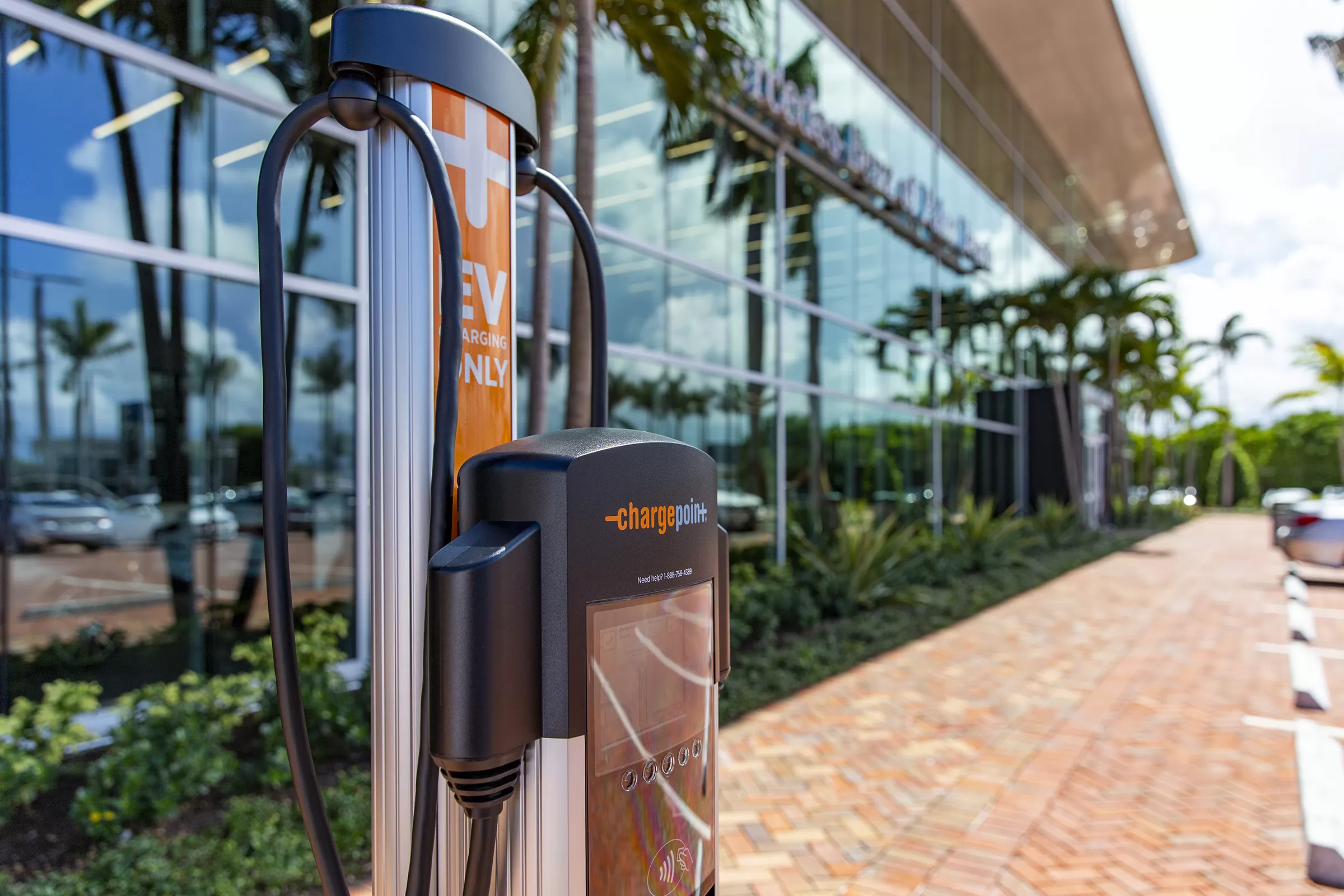
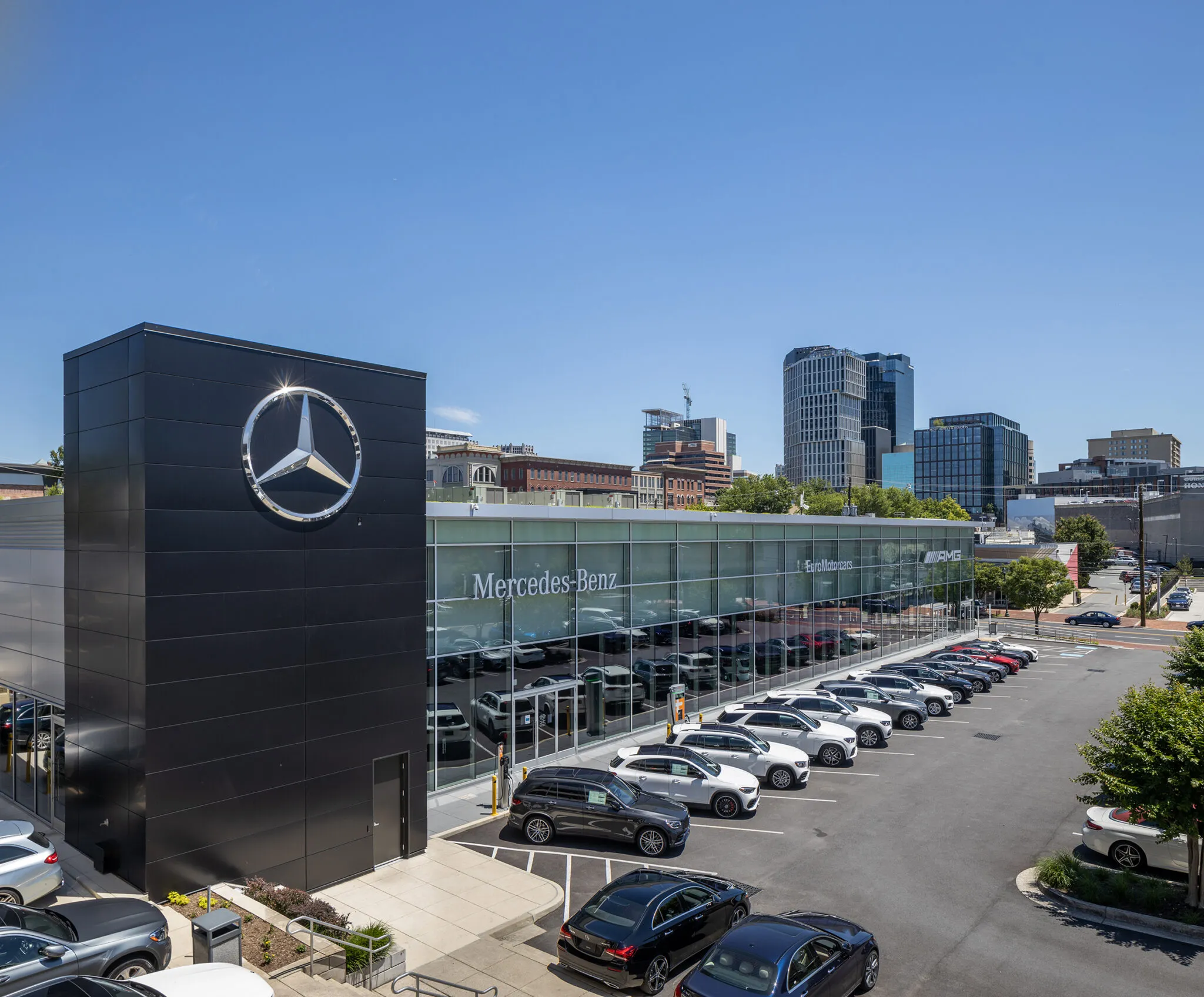
One of the most visible changes in dealership design is the integration of charging infrastructure. Unlike a traditional fuel pump, which customers rarely use at the dealership, EV chargers can be part of the showroom, the service center, and even the customer waiting experience. This requires careful planning—chargers must be easily accessible but not disruptive to vehicle flow, and their placement must work for both short-term visits and longer service appointments.

We’re designing spaces where chargers are seamlessly incorporated into the architecture, whether that means a bank of fast chargers at the service entrance, integrated chargers in the delivery bay, or customer parking equipped for top-ups during a sales appointment. These placements also serve a branding purpose—showing customers that the dealership is a leader in EV technology.

designing car dealerships for the ev revolution 1

Powering the Future

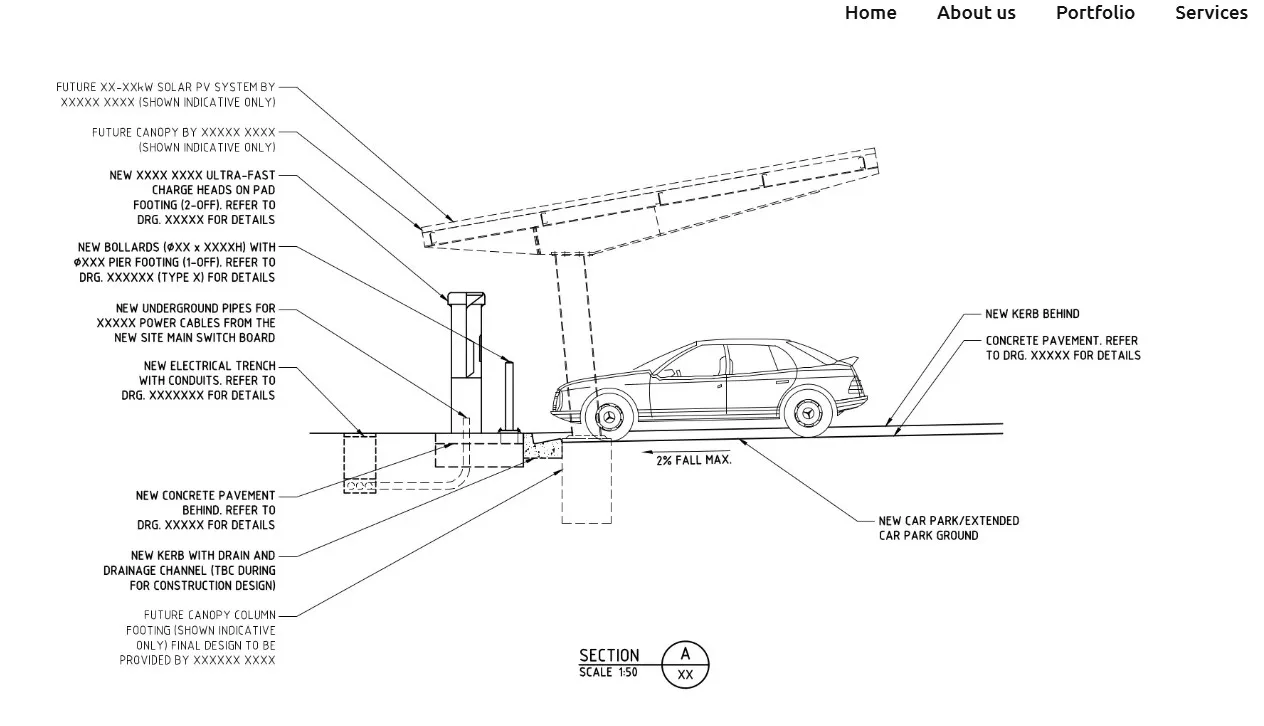
Charging stations require more than just parking spots and pedestals—they demand serious electrical capacity. Future-ready dealership design means accounting for higher loads from the outset. In some cases, we design mechanical rooms and conduit runs to support three or four times the current charging needs, ensuring the infrastructure is in place when the EV portion of the lineup grows.

Battery storage systems are also becoming part of the conversation. These systems can store energy during off-peak hours and deploy it when demand spikes, reducing costs and strain on the grid. We’ve worked on designs that include dedicated space for these systems so they can be added as the dealership’s needs evolve.

designing car dealerships for the ev revolution 2

Rethinking the Service Department

EVs change the nature of service work. Without oil changes or complex combustion systems, service bays are being reimagined for diagnostics, battery replacement, and software updates. This shift has spatial implications—less space for fluids and parts storage, more space for specialized lifts, battery handling equipment, and EV-safe work areas.

In our designs, we’re integrating service bays that can handle both EV and traditional vehicles, allowing dealerships to serve today’s mixed fleet while being ready for tomorrow’s electric dominance. This flexibility ensures service departments stay productive and relevant through the transition.

Customer Spaces and Education

For many customers, buying an EV is a completely new experience. Dealerships play a key role in educating buyers on charging, range, and maintenance. This means architecture needs to support learning spaces—whether it’s a consultation area with digital displays, an interactive charging demo zone, or even a visible installation where customers can see how the charging systems work.

These features aren’t just functional—they help build trust. Customers leave feeling informed, confident, and supported in their decision to go electric.

Outdoor Planning and Site Design

The rise of EVs has site-wide implications. More chargers mean different parking patterns, which affect circulation, lighting, and even landscaping. We consider how charging zones are lit for safety and usability, how traffic moves in and out without congestion, and how to integrate chargers without compromising the aesthetic of the property.

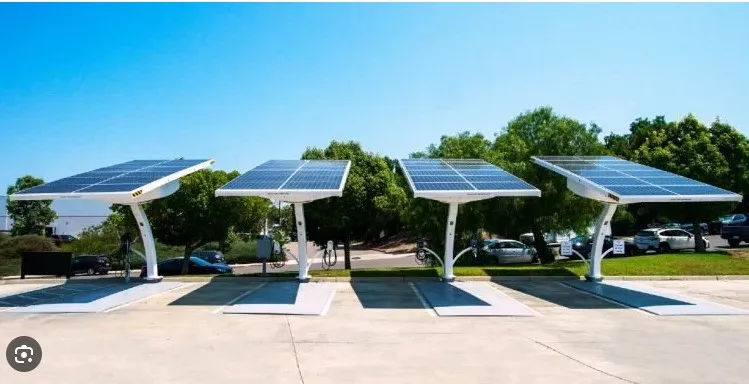
We’re also factoring in the possibility of solar canopies over EV charging areas. These not only provide shade and weather protection but also generate renewable energy to feed directly into the dealership’s operations or its charging infrastructure.

designing car dealerships for the ev revolution 5

Future-Proofing the Investment

The pace of EV adoption is accelerating, but no one can predict the exact timeline. That’s why our EV-focused dealership designs are grounded in flexibility. We plan for scalable infrastructure, adaptable interior spaces, and site layouts that can evolve without major disruption. This ensures dealerships can respond to customer demand, OEM requirements, and new technology without starting from scratch.

Our Perspective

At Penney Design Group, we see the EV revolution not as a challenge but as an opportunity for innovation. By integrating charging infrastructure into the customer journey, future-proofing power and service capabilities, and designing spaces that educate and inspire, we’re helping dealerships become leaders in a rapidly changing market. In our view, the dealerships that succeed in the EV era will be the ones that see this as more than a technical upgrade—it’s a complete rethinking of how the dealership fits into the customer’s life and the community it serves.

designing car dealerships for the ev revolution 3

Select Auto Imports: A Modern Landmark in Alexandria’s Automotive Scene

17,000 SF | 3 Stories | Automotive Sales & Service

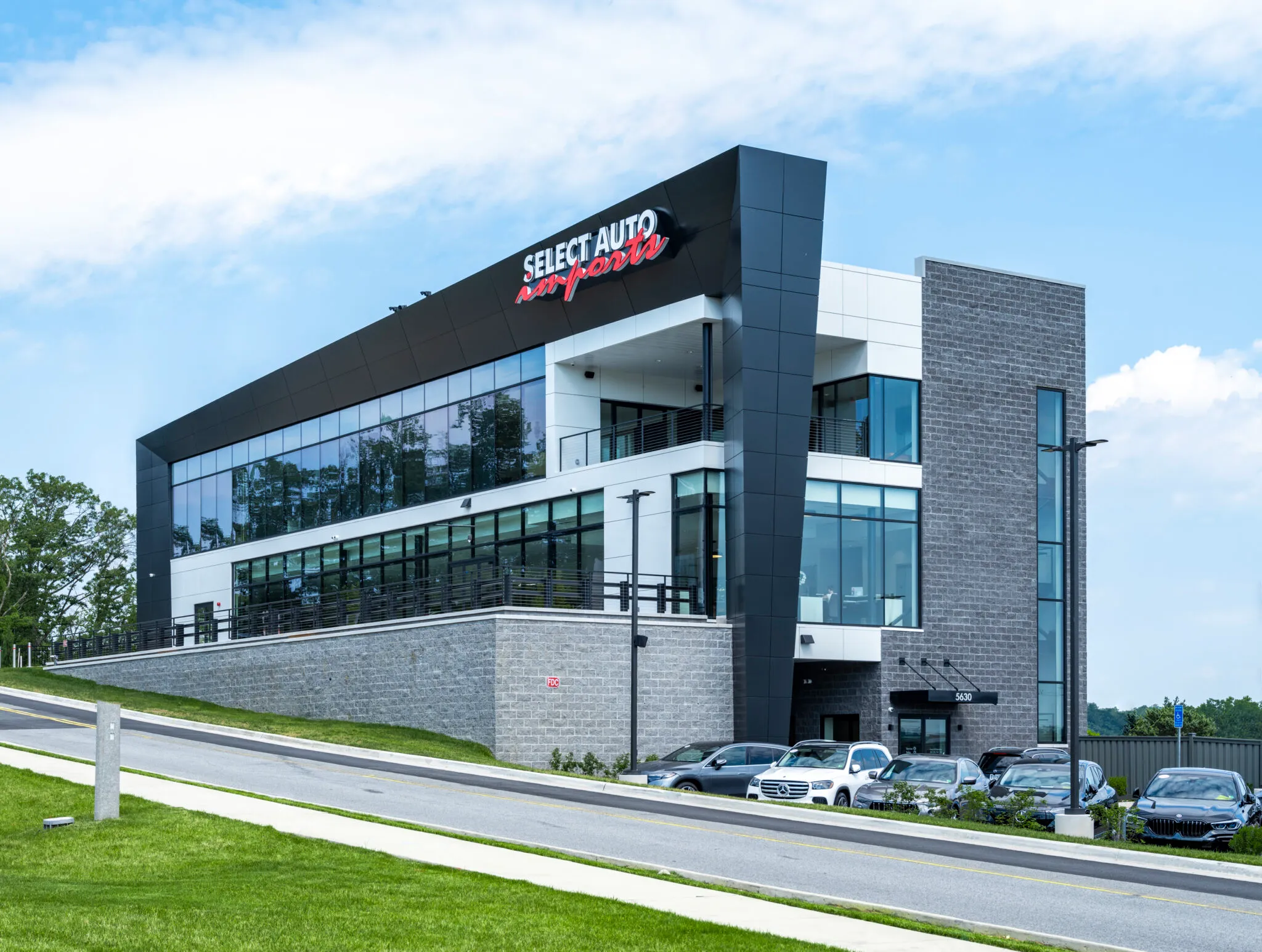
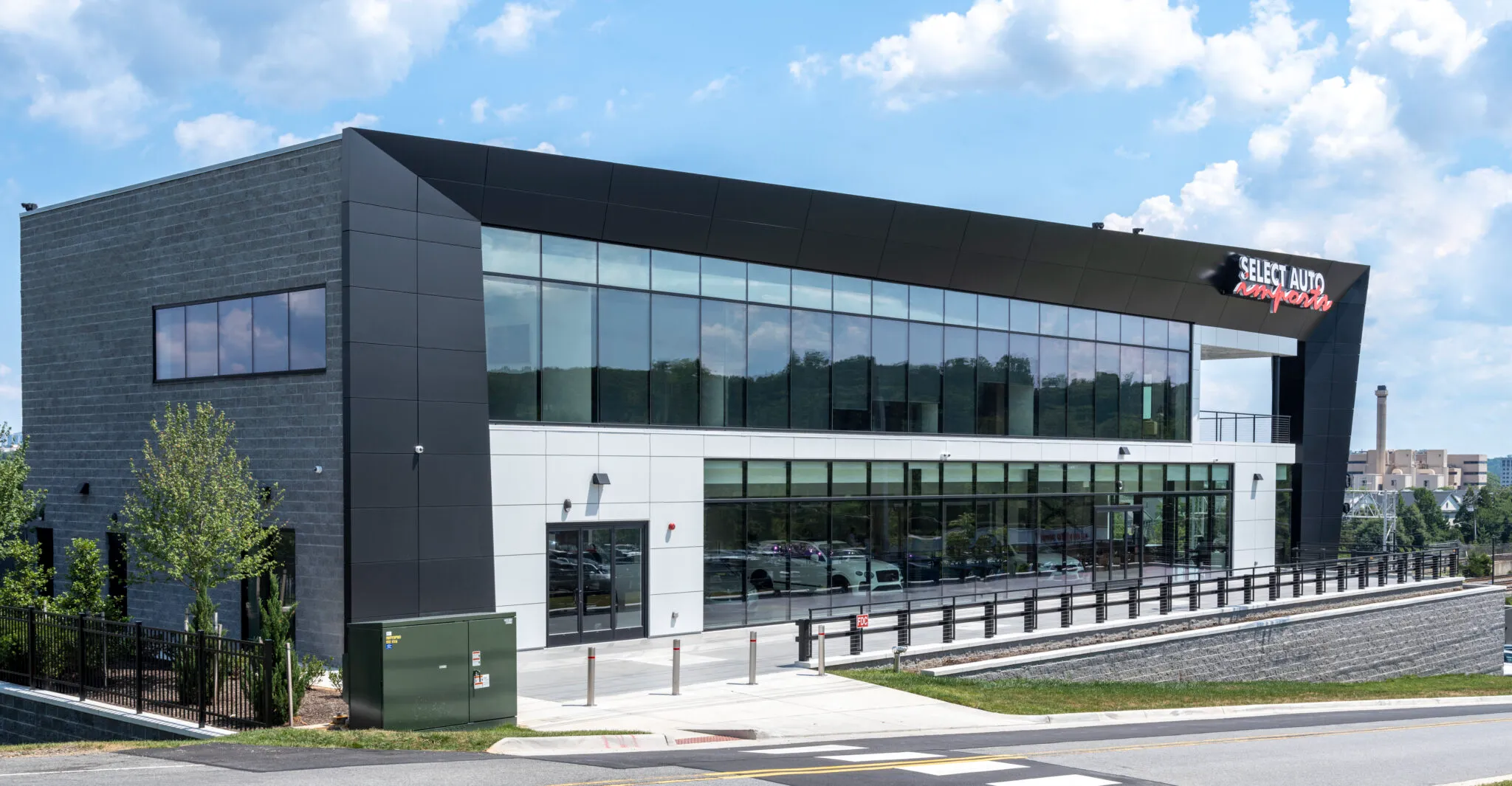
Penney Design Group is proud to showcase Select Auto Imports in Alexandria, Virginia—a striking, three-story, 17,000-square-foot automotive sales and service facility that redefines the customer experience in the luxury pre-owned auto market.

select auto imports 1

Turning Constraints into Opportunities

The project’s narrow, irregular site along Richmond Highway required a high degree of ingenuity in both design and construction. Bordered by commercial neighbors and shaped by zoning and access limitations, the lot demanded a compact but impactful footprint. Our design team transformed these constraints into opportunities, employing a vertical stacking strategy to consolidate showroom, office, and service functions within a cohesive architectural envelope.

Vehicle access and circulation were carefully choreographed to ensure seamless movement on the tight site, while pedestrian access was emphasized through a prominent entry plaza and refined urban frontage. Structural creativity played a major role: the stairwell, for instance, features expressive interior cross-bracing that doubles as both a seismic element and a bold architectural feature.

A Thoughtful Approach to Environmental Design

While not formally certified, Select Auto Imports reflects several principles of sustainable design. First and foremost, the project revitalizes a previously developed urban site—leveraging existing infrastructure rather than consuming undisturbed land. This commitment to adaptive site reuse supports a more sustainable growth model in Northern Virginia’s commercial corridor.

Natural daylighting was a key priority in the design. Expansive, high-performance glazing reduces the need for artificial lighting and enhances occupant well-being, while energy-efficient mechanical systems and LED lighting reduce the facility’s environmental footprint. Materials were selected not only for durability and aesthetics but also for their low-maintenance and long-life-cycle characteristics—minimizing waste over time.

Stormwater management strategies were also considered in the site design, with careful grading and drainage integrated to meet local environmental requirements and reduce runoff impacts.

select auto imports 5

Form, Façade, and First Impressions

The building’s exterior is a modern composition of clean lines, contrasting textures, and bold geometry. The sleek façade combines smooth architectural panels, high-performance glazing, and metal screening to create an identity that is both elegant and assertive. The black and silver palette offers a restrained sophistication, allowing the luxury vehicles inside to take center stage while still projecting a strong visual presence from the street.

At the entry, a tall vertical glass volume announces the main stair tower, becoming a beacon from Richmond Highway and inviting guests into the space. The form is dynamic yet composed—featuring subtle cantilevers, layered masses, and crisp detailing that express the precision and performance values of the dealership brand.

select auto imports 4

Elevated Interiors with Purpose

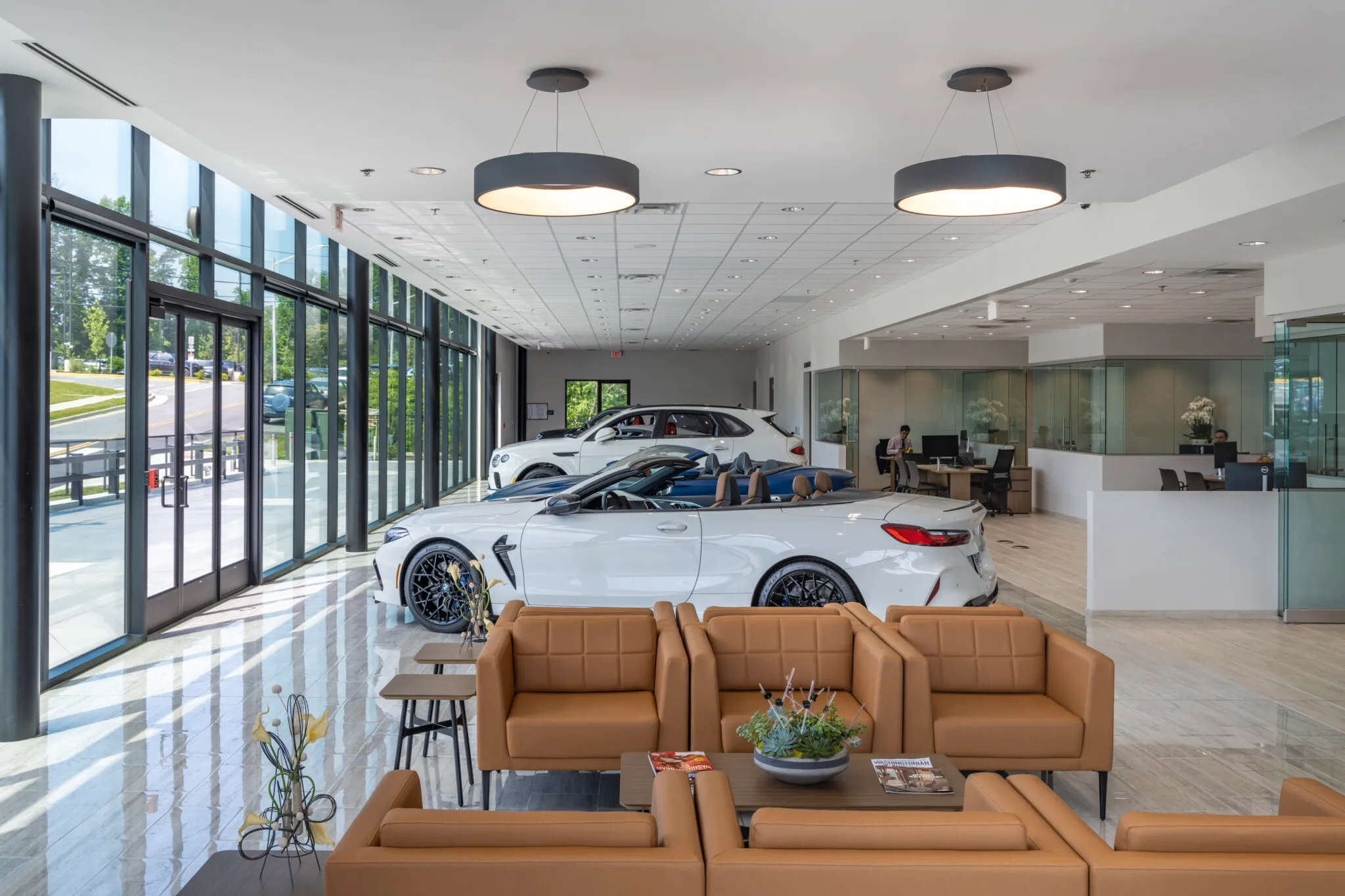
The refined materiality of the exterior continues inside. Expansive glazing, contemporary surfaces, and a light-filled interior palette create a welcoming environment that mirrors the quality of the vehicles on display. Glass-front sales offices provide openness and transparency, while warm woods and textured finishes add richness and contrast.

One standout element is the “coffee stop” area, clad in a textured black wave tile that introduces a tactile moment of hospitality within the retail space. It’s one of several thoughtful design gestures aimed at enhancing the customer experience.

The restroom finishes deserve special mention. Clean-lined contemporary tilework and full-height doors offer a level of privacy and elegance more commonly found in hospitality settings—a trend we hope to see adopted more broadly across the auto dealership sector.

select auto imports 3

Crafted in Collaboration

To complete the interiors, we teamed with Global Commercial Furnishings—a national leader in commercial-grade furniture, custom millwork, and Cambria quartz surfaces. Their craftsmanship and materials expertise were integral in translating our design vision into a cohesive, elevated customer environment. From custom sales desks to built-in cabinetry and reception pieces, every detail was carefully curated for both form and function.

We also worked closely with a talented team of engineers to support the technical execution of the project. The civil engineer was Tri-Tek Engineering Inc., the structural engineer was Tarantino Engineering Consultants, and the MEP engineer was Integrated Design Consultants.

select auto imports 2

A Dealership That Reflects the Brand

More than just a sales floor, Select Auto Imports is a brand-forward environment that communicates trust, sophistication, and quality. The building’s architectural language—clean, modern, and confident—acts as a quiet but impactful backdrop to the high-performance vehicles it houses. The result is a dealership experience that feels less transactional and more curated, aligning with the expectations of today’s luxury buyer.

Sustainability in Automotive Architecture: Trends & Best Practices

A Shift in the Industry

For years, the automotive industry has focused on innovation—smarter engines, sleeker designs, and most recently, a push toward electric vehicles. But there’s another transformation underway, and it’s happening in the buildings that sell and service these cars. Dealership architecture is going green. Not just with flashy buzzwords, but through meaningful design decisions that help reduce environmental impact and support long-term efficiency. At Penney Design Group, we’ve embraced this shift and continue to shape spaces that align with a more sustainable future.

jlr alexandria 4

Choosing the Right Materials

Sustainable design starts with smart material choices. Today’s dealerships don’t have to rely on high-impact construction elements to make a statement. Instead, we’re seeing growing interest in using recycled metals, low-VOC paints, reclaimed wood, and durable finishes that reduce the need for frequent replacement.

Green roofing systems, translucent panels for natural daylighting, and advanced insulation methods are becoming more common in our projects, helping to lower energy demand while enhancing the overall aesthetic. These aren’t just “nice-to-have” features—they’re practical investments that pay off over time.

sustainability in automotive architecture 1sustainability in automotive architecture 1

Energy Efficiency that Performs

A major focus of sustainable architecture is energy performance. In our dealership designs, this shows up in everything from HVAC systems to lighting layouts. We design spaces that make the most of natural ventilation and daylight, reducing the need for constant mechanical cooling and artificial light. LED lighting systems are carefully placed to maximize coverage while using as little power as possible.

We also work with engineers to specify high-efficiency HVAC systems that can adapt to different seasons and usage patterns. The result is a dealership that works smarter, uses less energy, and lowers operational costs for the owner.

The Site Matters Too

Sustainability doesn’t stop at the walls of a building. It starts at the site. When we plan a dealership, we look at the bigger picture—how stormwater moves, where sunlight hits, and how vehicle traffic flows in and out. Proper grading and permeable paving help reduce runoff and improve groundwater recharge. Landscaping with native plants cuts down on water use and maintenance.

Thoughtful orientation of the building can make a huge difference in how efficiently it handles heat and light. These early planning decisions are crucial and often determine how well the entire project will perform over time.

sustainability in automotive architecture 2

Designing for What’s Ahead

The dealerships of today need to be ready for tomorrow. That’s why our sustainable strategies also consider future growth and adaptability. We design service areas that can accommodate electric vehicle infrastructure. We plan mechanical rooms that allow for upgrades down the line. And we create flexible showroom spaces that can be reconfigured as brands and customer experiences evolve.

Sustainability isn’t just about reducing carbon footprints—it’s also about designing smarter spaces that can adapt to change without needing to be torn down or rebuilt.

Our Commitment

At Penney Design Group, we don’t treat sustainability as a separate checklist—it’s part of our process. Whether we’re designing a luxury flagship dealership or a family-run service center, we’re always looking for ways to make it more efficient, more resilient, and more responsible.

We believe the best buildings are the ones that stand the test of time—architecturally, functionally, and environmentally.