How Digital Reality Capture Is Changing Architectural Practice

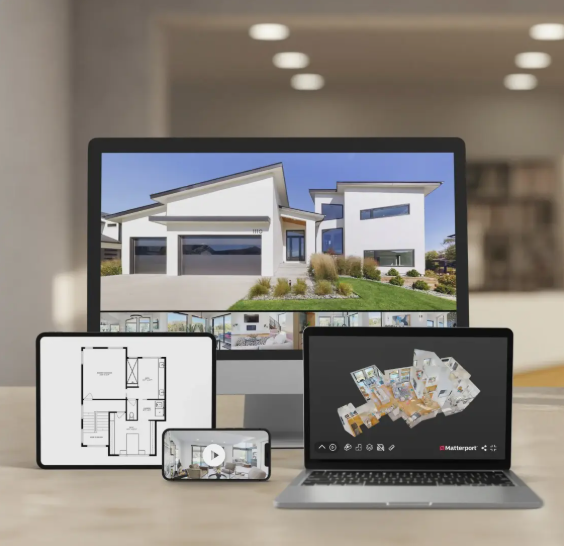
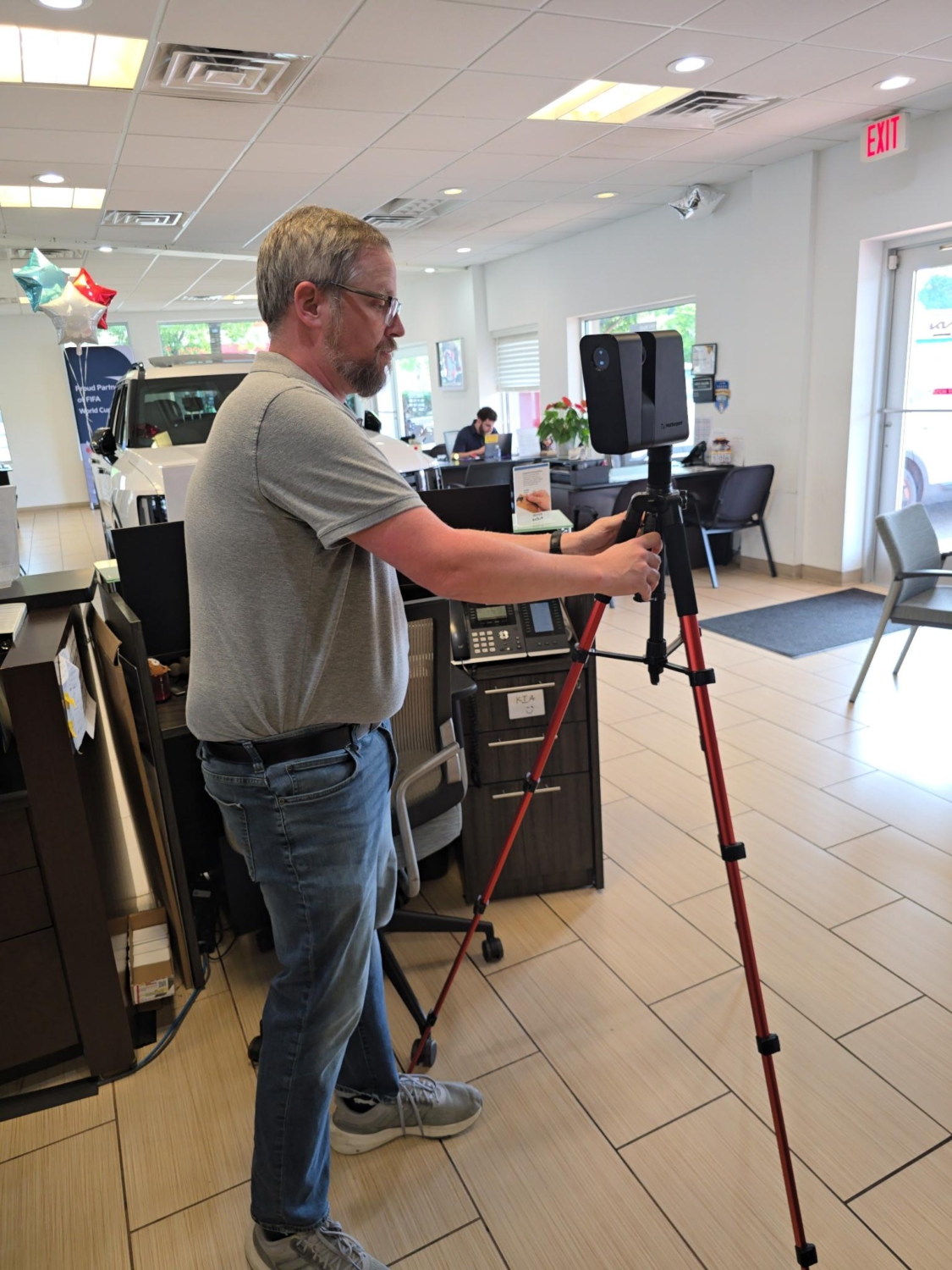
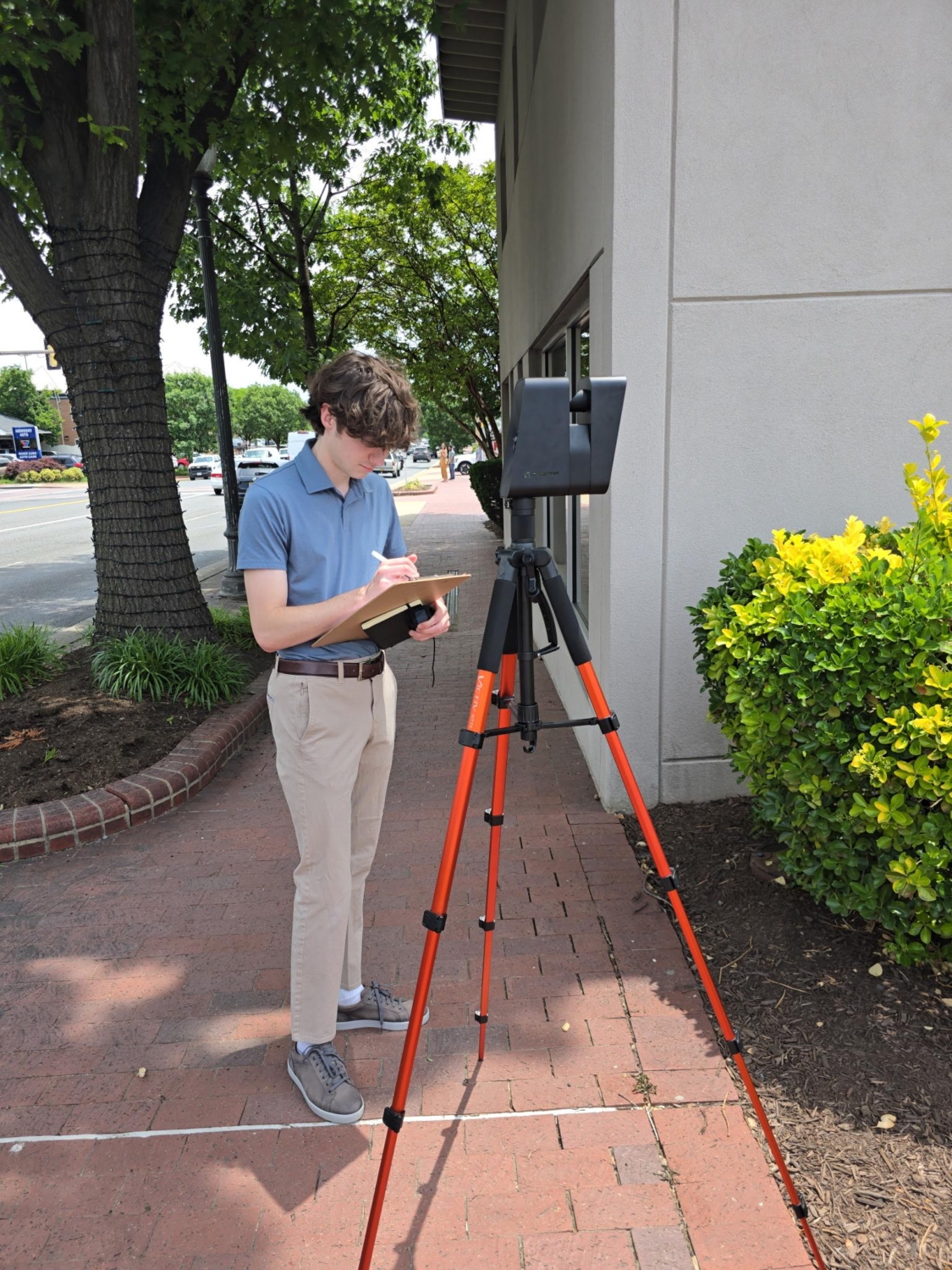
Walk into most architecture firms today and you’ll find a Matterport camera sitting next to the survey equipment. What seemed like expensive overkill just two years ago has become standard practice. At Penney Design Group, we’ve watched Matterport scanning shift from occasional use to an integral part of how we document existing conditions, especially on our automotive and commercial renovation projects.

Nearly 70% of architecture and engineering firms now use some form of 3D reality capture, up from about 40% in 2023. That’s a big jump. The technology got faster and more accurate, sure. But it’s the AI integration that actually works that makes the difference.

matterport landscape 1024x538

What’s Changed in Matterport Scanning for Architecture

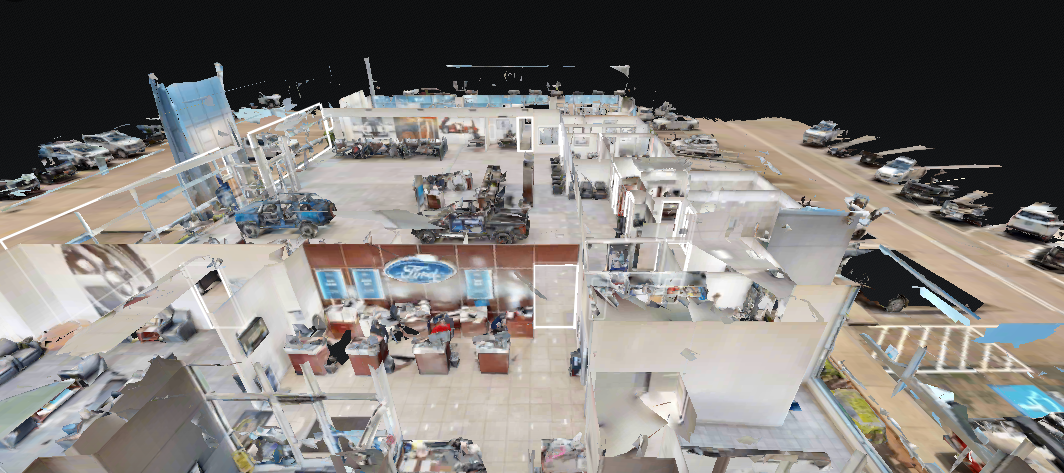
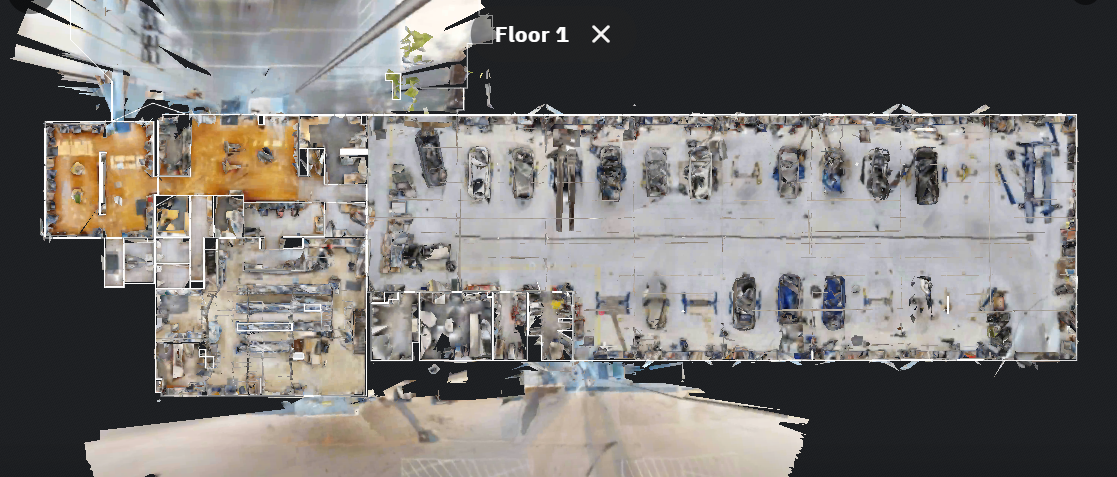
The latest Pro4 camera, released early this year, cuts scan time by more than a third while delivering 134-megapixel resolution. That matters when you’re documenting a 50,000-square-foot dealership facility. But honestly? The real breakthrough isn’t the hardware.

It’s the AI-powered analysis that now extracts architectural elements automatically. Walls, doors, windows, structural columns. The software identifies them with about 85% accuracy, which means you’re spending hours instead of days creating base documentation for renovation work. Not perfect. But good enough to dramatically accelerate the early phases of project design concept development.

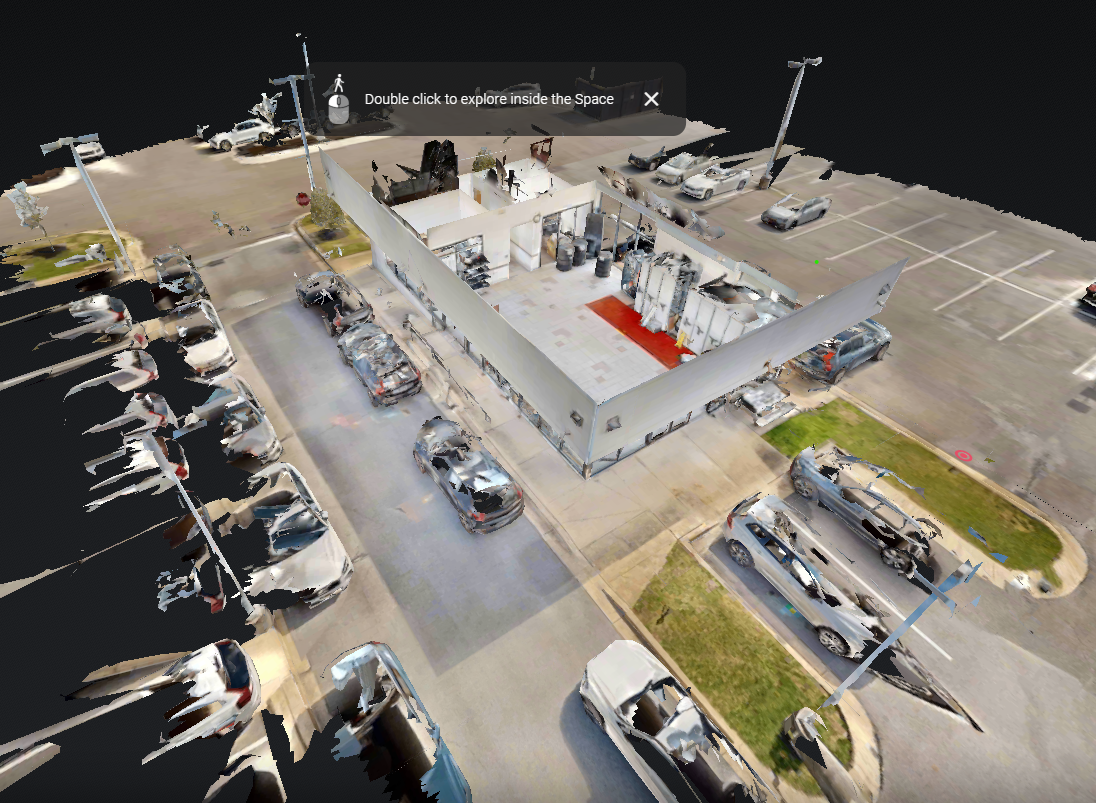
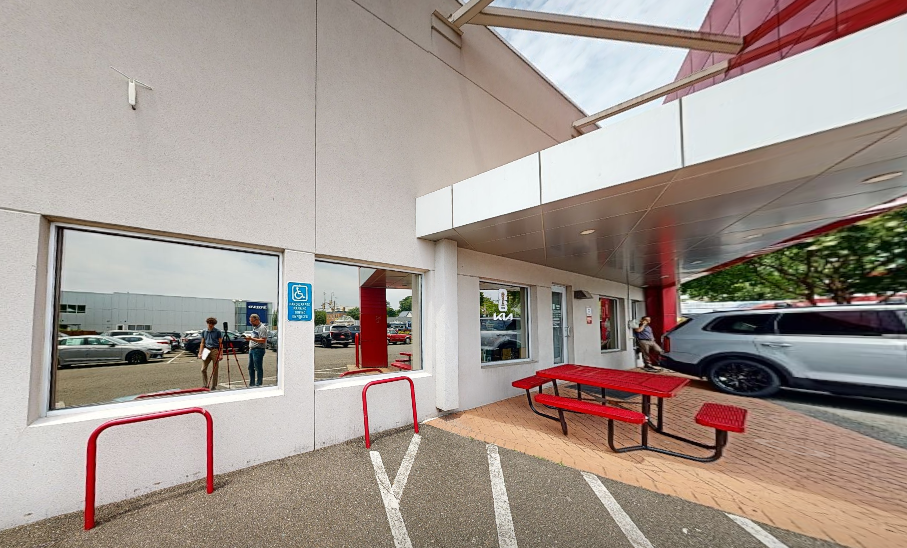
And here’s something that changes the workflow: indoor-outdoor scanning that actually works together. Enhanced GPS integration means we can capture site context along with interior conditions in a single session. For automotive projects where parking layouts, circulation patterns and building entries all need to align, that’s huge.

screenshot 2026 06 18 110819

Practical Applications in Matterport Scanning Architecture Work

Theory is fine. Here’s how we’re actually using this technology in 2025 and into 2026.

Renovation and adaptive reuse projects are the obvious application. Instead of spending days with laser measures and field notes, we scan the existing facility in hours. The resulting point cloud becomes the base for our design work. When we’re bringing interior design into the architectural process, having an accurate 3D model of existing conditions means designers can test ideas against reality before we ever touch a wall.

Client communication has improved substantially. Walking a client through a Matterport scan during schematic design helps them understand existing conditions in a way that photos and drawings never quite achieved. They can see why we’re proposing to move that wall or why the existing ceiling height limits certain design options. It just clicks.

Contractors can access the scan during bidding to verify field conditions. Fewer surprises during construction means fewer change orders and schedule delays. On a recent automotive facility renovation, the general contractor told us the Matterport scan saved them at least two site visits during estimating. That’s real money.

media (63)

The Economics of Matterport Scanning in Architectural Practice

Let’s talk about money because that’s what makes technology stick around.

The hardware investment has dropped. A Pro4 camera runs about $7,000. iPhone 15 Pro and newer models now capture Matterport-compatible scans using built-in LiDAR sensors. Not as accurate as the dedicated camera, but adequate for smaller projects or preliminary assessments. That democratizes access considerably.

The real ROI comes from time savings. Firms report 40% to 60% reductions in as-built documentation time compared to traditional methods. On a typical commercial renovation project, that might mean recovering $8,000 to $12,000 in staff time. The camera pays for itself in a few projects. Maybe three or four if you’re doing decent-sized renovations.

Software subscription costs matter too. Matterport’s cloud processing and storage runs $70 to $400 monthly depending on the plan. For firms doing regular renovation work, that’s a rounding error against the efficiency gains.

media (62)

Integration with Design and Documentation Workflows

Technology only matters if it fits into how you actually work.

The Matterport scanning architecture workflow now connects directly to Revit, ArchiCAD and other BIM platforms. Export the point cloud, import it as an underlay, and start modeling over existing conditions. The AI-extracted elements can jump-start your BIM model, though you’ll still need to verify dimensions and clean up the geometry. There’s no magic button yet.

For projects requiring high precision, combining Matterport scans with traditional survey data gives you the best of both worlds. Use the scan for overall spatial documentation and design visualization. Survey-grade measurements for structural work and site engineering. The two methods complement each other rather than competing.

The cloud-based platform means project scans remain accessible long after construction wraps. When a client calls three years later asking about as-built conditions in a specific area, we can pull up the scan in minutes instead of hunting through archived drawings. This happens more often than you’d think.

screenshot 2026 06 18 112558

Where Matterport Scanning Falls Short

No technology is universal. Understanding limitations prevents disappointment.

Accuracy tops the list. At ±20mm at 10 meters, the Pro4 is sufficient for most architectural documentation but not structural engineering or millwork fabrication. If you need survey-grade precision, you still need survey-grade equipment. Period.

Reflective and transparent surfaces remain problematic. Large glass walls, polished stone floors, mirror-finish metals, all of them confuse the sensors. You can work around these limitations with strategic scan positioning, but they require awareness and planning.

Outdoor performance has improved but still lags indoor capability. Direct sunlight affects scan quality. Wind moves vegetation between scan points, creating artifacts. Weather matters. We’ve learned this the annoying way.

Processing time, while faster than before, isn’t instant. A large facility scan might take several hours to process in the cloud before you can access the complete model. Plan accordingly.

beyer kia

Looking Forward: What’s Next in Reality Capture

The technology continues to evolve faster than most of us expected.

Real-time processing is coming. Current beta programs are testing edge computing that processes scan data on-device, eliminating cloud upload wait times. That changes field verification workflows significantly.

AI analysis keeps improving. The next generation promises automatic code compliance checking for accessibility, egress paths and spatial requirements. Imagine scanning an existing building and having software flag ADA compliance issues automatically. That’s 12 to 18 months away, not science fiction.

Integration with project management platforms will tighten the connection between documentation and construction administration. Linking RFIs and submittals directly to specific locations in the reality capture model creates a spatial record of project decisions (which would be incredibly useful, assuming the software actually delivers on it).

mercedes raleigh

Making the Technology Work for Your Practice

Adoption is straightforward but requires commitment.

Start with a pilot project. Pick a renovation where existing conditions matter but stakes aren’t catastrophically high. Learn the workflow. Understand where it helps and where it doesn’t.

Train multiple team members. Technology that only one person knows how to use becomes a bottleneck. Spread the knowledge. Make it part of what junior staff learn early.

Integrate it into standard project phases. Define when you’ll scan, who’s responsible and how the data feeds into design development. Ad hoc use never delivers full value.

Set client expectations appropriately. A Matterport scan isn’t a substitute for comprehensive measured drawings on complex projects. It’s a tool that makes creating those drawings faster and more accurate. That’s it.

At Penney Design Group, Matterport scanning has become part of how we approach projects with existing conditions. Not every project needs it. But when it’s appropriate (particularly on our automotive facility designs and commercial renovations), it’s proven its worth many times over. The technology has matured past the experimental phase. It’s simply how we work now.


Facades+ 2026: Penney Design Group Explores the Future of Building Envelopes in Washington, D.C.

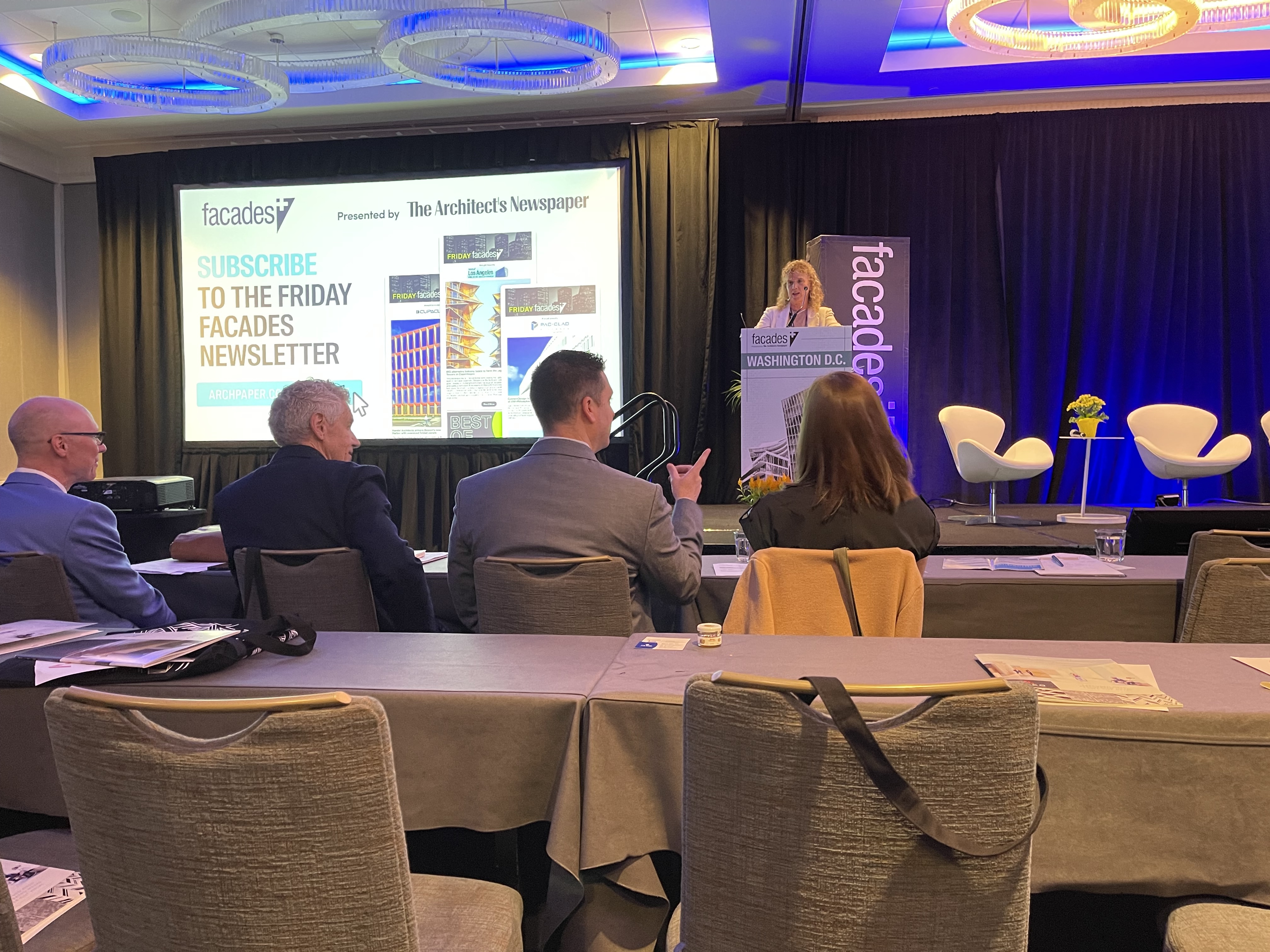
This May, members of the Penney Design Group team attended the Facades+ Conference in Washington, D.C., hosted by The Architect’s Newspaper at the Grand Hyatt Washington DC.

The conference brought together architects, engineers, façade consultants, manufacturers, and design leaders from across the country for a full day of presentations, technical discussions, and networking centered around the future of building envelopes and high-performance design.

In addition to the symposium sessions, attendees explored the conference’s Methods + Materials Expo, which featured emerging technologies, innovative façade systems, and material solutions shaping the next generation of architectural design.

From emerging façade technologies to thoughtful conversations about sustainability, adaptability, and user experience, the conference offered valuable insights that continue to shape the way we think about architecture and design at PDG.

img 5065

A Day Focused on Innovation and Adaptability

One theme that resonated throughout the conference was versatility in façade systems and how layered building envelopes can respond to changing environmental, functional and human needs.

One session titled “A Flexible, Layered System” explored how multi-component façade assemblies can create depth, shading, daylight control, and ventilation while supporting long-term performance and adaptability. The conceptual sketches and diagrams shared during the presentation illustrated how building envelopes are increasingly designed as responsive systems rather than static exterior skins.

Throughout the day, presenters discussed how façade systems are evolving to address increasingly complex demands related to energy performance, climate resilience, occupant wellness, and long-term adaptability. Sessions highlighted topics including embodied carbon reduction, bio-based materials, daylight optimization, mass timber integration, and adaptive reuse strategies for existing buildings.

Several presentations also emphasized the importance of interdisciplinary collaboration between architects, façade engineers, contractors, and manufacturers early in the design process to successfully balance technical performance with architectural intent — an approach that strongly aligns with the integrated design philosophy we value at Penney Design Group.

img 5067

Real-World Transformation Through Envelope Design

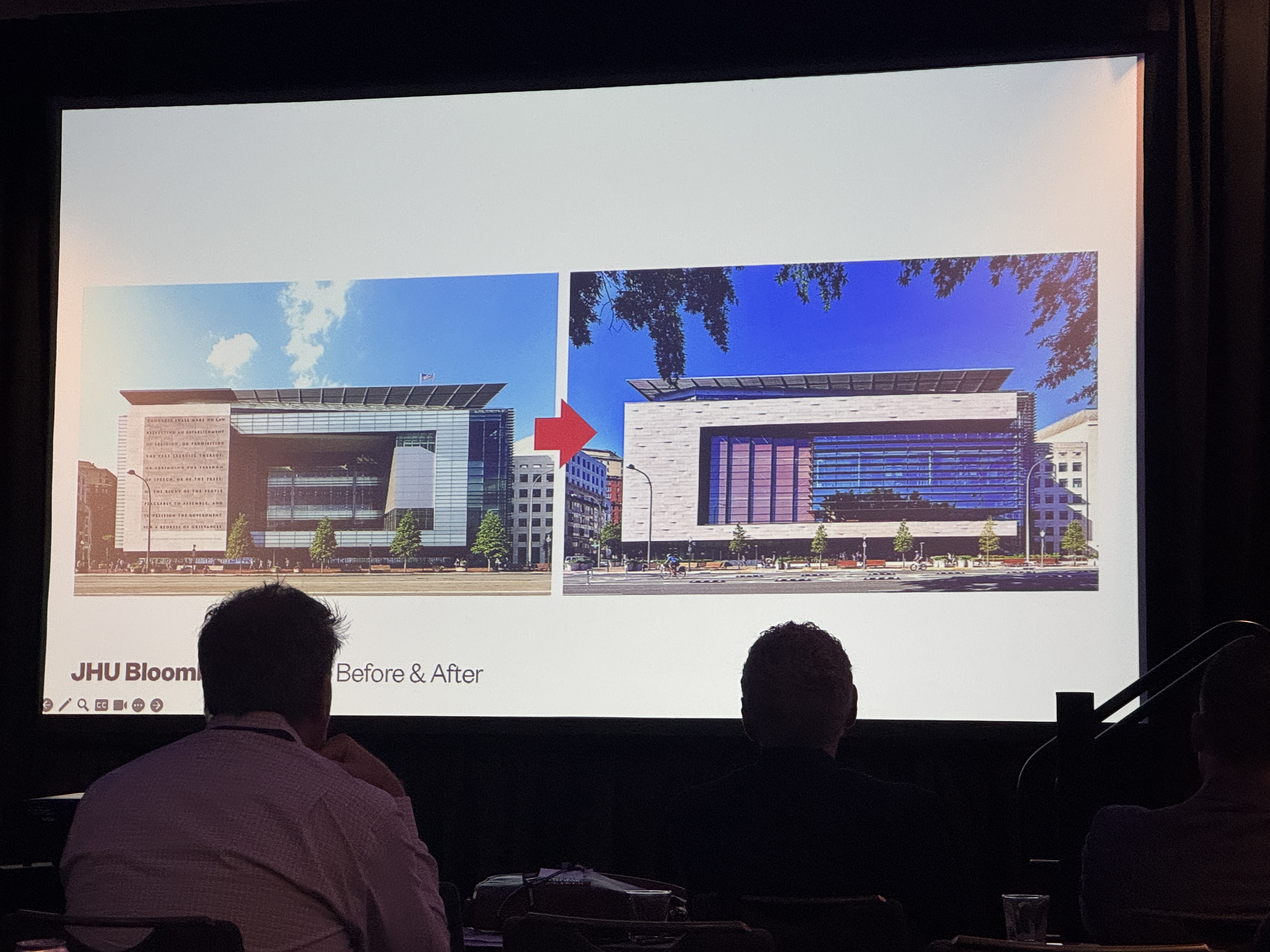
One particularly memorable presentation showcased a dramatic “before and after” façade transformation for the Bloomberg Center at Johns Hopkins University. The project demonstrated how recladding and envelope modernization can radically alter a building’s visual identity along with improving its daylighting, energy performance, and occupant experience.

The case study reinforced one of the conference’s central ideas: today’s façades are no longer viewed simply as enclosure systems, but as active contributors to sustainability, comfort, identity, and long-term building performance.

For our team, these examples highlighted how thoughtful envelope design can help create buildings that are not only technically high-performing, but also visually engaging and deeply connected to the communities they serve.

img 5073

Storytelling Through Architecture

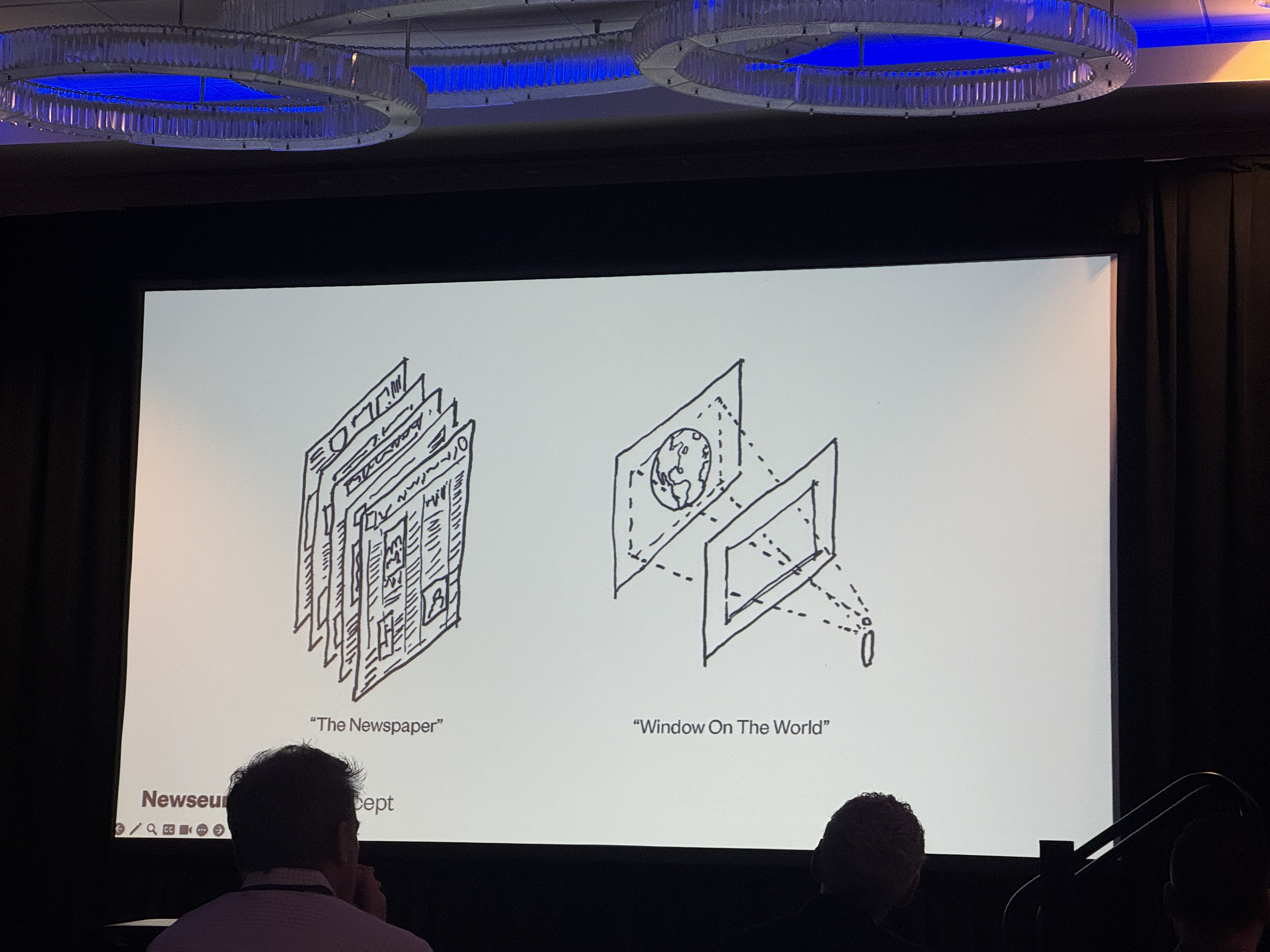
Another memorable concept presented during the conference described the façade as both a “newspaper” and a “window on the world.”

These discussions explored how building envelopes communicate information, identity, transparency, and experience. Beyond performance metrics alone, façades help tell a story about the purpose of a building and its relationship to the surrounding community.

For our team, this sparked meaningful conversations about how architecture can simultaneously serve functional demands while also creating memorable, human-centered experiences. Whether designing educational facilities, civic spaces, workplaces, or mixed-use developments, the idea that façades can communicate a building’s purpose and essential character is increasingly relevant in the discussion of today’s built environment.

img 5072

Sustainability and Performance Continue to Drive Design

Sustainability remained a major focus throughout the conference. Sessions explored how high-performing façade systems contribute to:

  • Improved energy efficiency
  • Reduced operational carbon
  • Enhanced occupant comfort
  • Daylighting optimization
  • Long-term building resilience

Many presenters emphasized how rapidly sustainability standards, façade technologies, and building performance expectations continue to evolve across the industry. Discussions frequently returned to the importance of early collaboration between architects, engineers, contractors, and manufacturers to create systems that successfully integrate durability, constructability, environmental responsibility, and design excellence.

For the PDG team, these conversations reinforced many of the priorities already shaping our own work surrounding durable materials, energy-conscious detailing, adaptable building systems, and integrated project collaboration.

img 9931

Bringing Ideas Back to the Studio

Professional events like Facades+ Conference provide valuable opportunities to step outside day-to-day project work and engage with broader industry conversations. In addition to technical presentations, the conference created space for networking and dialogue among peers across the architecture, engineering, and construction industries.

Our team returned inspired by the innovative work being shared across the profession and energized by the opportunity to apply new ideas, technologies, and collaborative approaches to future projects.

At Penney Design Group, we believe continued learning and collaboration are essential to creating thoughtful, forward-looking architecture. We are proud to support our team’s involvement in events that encourage design exploration, technical growth, and meaningful industry connections.

We look forward to continuing these conversations and bringing fresh perspectives and new ideas into our work.

img 9926


Bringing Interior Design Into the Architectural Process

At Penney Design Group, we believe great spaces are created when architecture and interiors are designed together, not separately. While many people know us for our architectural and planning work, we also provide interior design services as part of our holistic approach to design. With a full staff of architects and an interior designer on staff, we thoughtfully coordinate everything from space planning and code compliance to finish selections and final detailing.

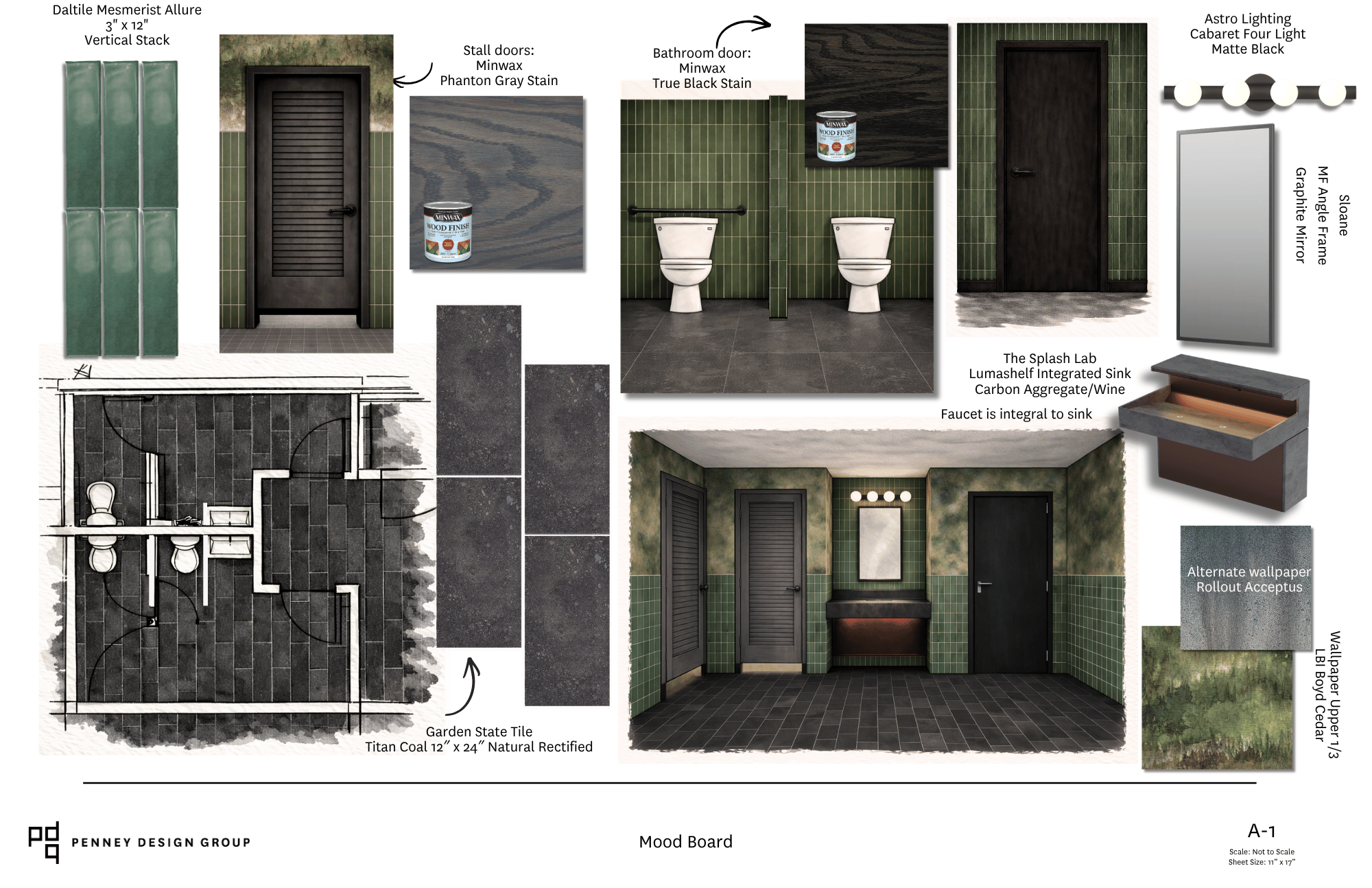
This mood board showcases a commercial restroom concept developed for a client seeking a rich, moody green palette with elevated, hospitality-inspired finishes. The goal was to create a space that felt dramatic and refined while still being durable, functional, and ADA-compliant.

Even within a relatively compact restroom layout, there were many layers of coordination involved, from circulation clearances and accessibility requirements to material transitions, lighting, and plumbing fixture integration. Thoughtful interior design is not simply about selecting finishes; it is about creating a cohesive experience that supports how a space functions and feels.

inspo

The Design Vision

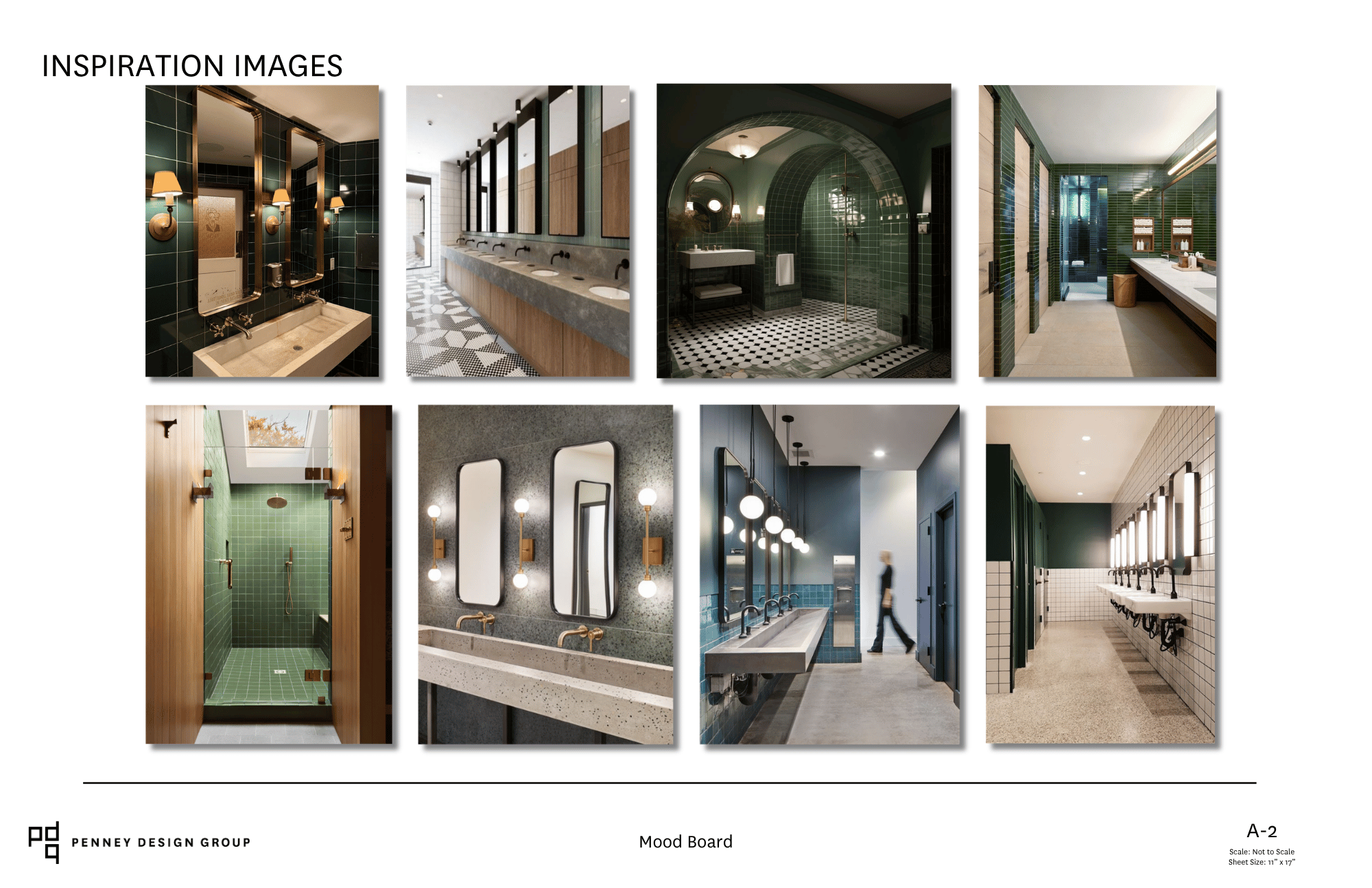
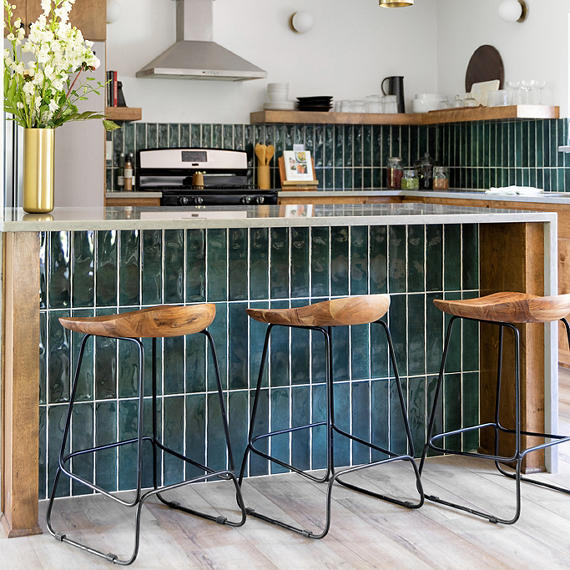
The client gravitated toward deep green tones, dark wood stains, and textured materials that would create a warm, immersive atmosphere. We balanced those darker elements with reflective surfaces, layered lighting, and subtle tonal variation to prevent the space from feeling heavy. We started with an inspiration board of images we thought conveyed the direction the client was hoping to take the design to make sure we were on the same page for the design basis.

The result is a restroom concept that feels contemporary and sophisticated while remaining highly practical for commercial use.

interior mood board

Featured Finishes & Materials

Tile: Daltile “Mesmerist Allure” Vertical Stack

daltile 1

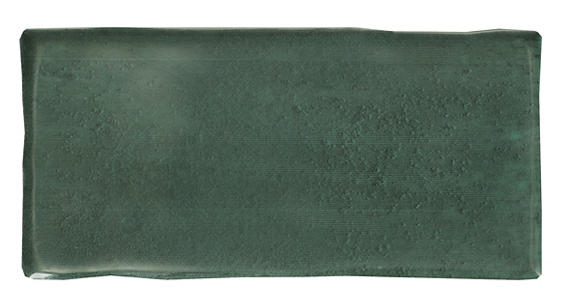
The primary wall finish is Daltile’s Mesmerist Allure tile in a vertical stacked layout. The elongated proportions and glossy surface help reflect light throughout the room while emphasizing height and rhythm along the walls. The green tone introduces depth and richness without overwhelming the space.

daltile 2

Flooring: Garden State Tile “Titan Coal” 12” x 24” Natural Rectified

For the flooring, we selected a large-format charcoal tile with subtle aggregate movement and a matte appearance. The darker floor anchors the space and complements the green palette while offering durability suitable for commercial applications.

The rectified edges provide a cleaner, more contemporary installation with tighter grout joints, helping the floor feel seamless and refined.

Wood Finishes: Minwax “Phantom Gray” and “True Black” Stains

The stall doors feature a gray-toned wood stain that introduces subtle contrast against the warmer black elements in the room. The visible wood grain softens the overall palette and adds a natural texture that keeps the design from feeling too industrial.

minwax

The restroom entry door was intentionally finished in a deeper black stain to create a stronger visual anchor at the perimeter of the space. The finish provides contrast against the green wall tile while maintaining continuity with the darker flooring and plumbing accessories.

Sink: The Splash Lab “Lumashelf”

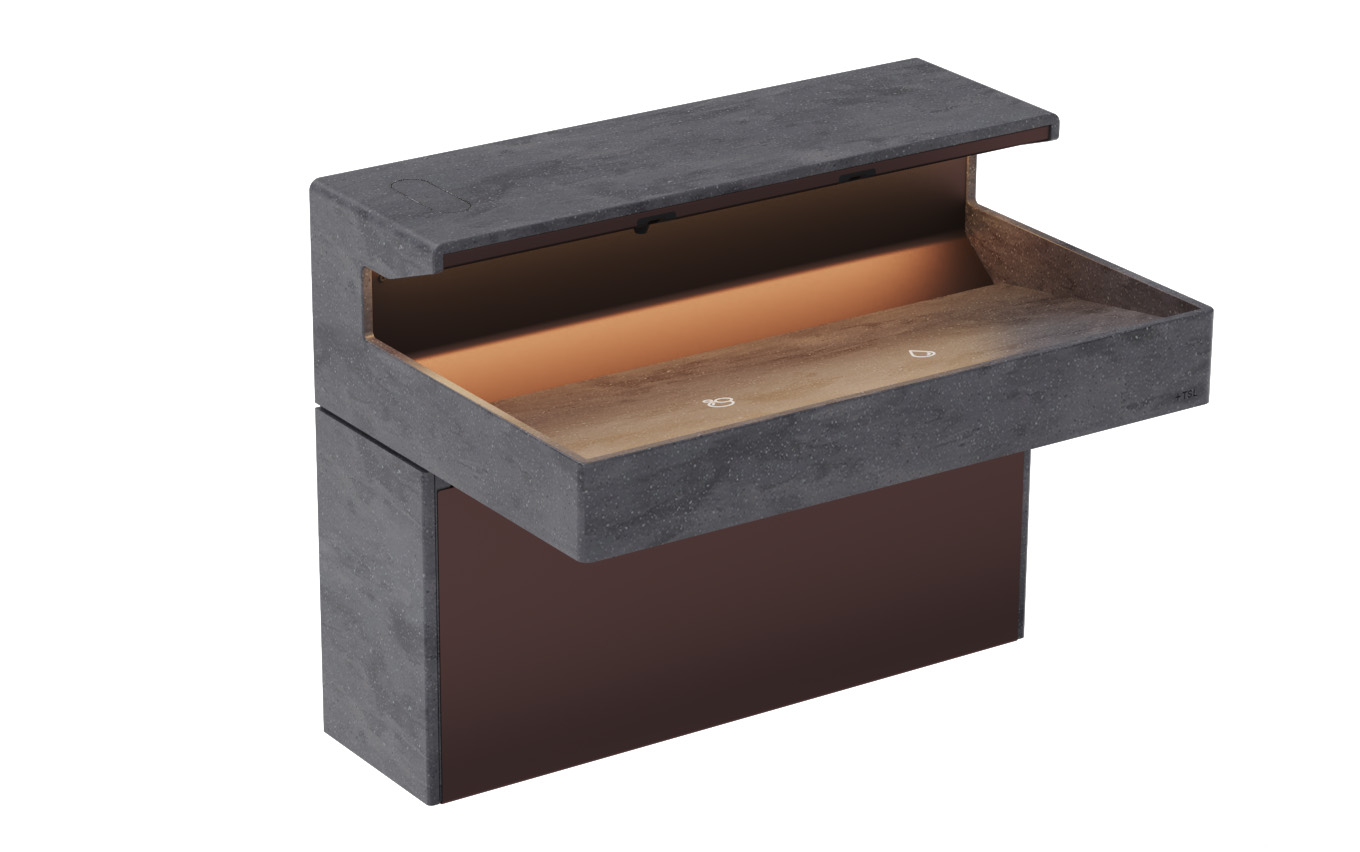
The integrated sink selection helped reinforce the modern, monolithic aesthetic of the restroom. Its sculptural form creates a clean, minimal appearance while maximizing functionality in a compact footprint.


The darker aggregate finish ties into the flooring palette and contributes to the layered tonal variation throughout the room.

the splash lab 2

Lighting: Astro Lighting “Cabaret Four Light” Matte Black

Lighting played an important role in balancing the darker finishes. The matte black vanity fixture introduces a softer glow through exposed globe lighting, helping the room feel warm and inviting rather than stark.

Mirror: Sloan Angle Frame Graphite Mirror

The graphite-framed mirror adds another layer of tonal depth while maintaining the restrained, modern palette. Its clean geometry reinforces the linear qualities established by the stacked tile and large-format flooring.

Wallcovering: LBI Boyd “Cedar”

To soften the hard finishes and introduce visual texture, we paired the tile with an atmospheric green wallcovering above. The layered tonal movement creates a subtle organic quality that complements the natural wood grain used throughout the space.

An alternate wallcovering option was also explored during the design process to study how different textures and tonal shifts affected the overall mood of the room.

lbi boyd “cedar”

Designing Within ADA Requirements

While aesthetics are an important part of any project, commercial restroom design also requires careful attention to accessibility and code compliance. This restroom layout was developed to meet ADA requirements, including clearances, fixture spacing, and accessible circulation paths.

Balancing accessibility with strong design is something we prioritize on every project. Thoughtful planning allows a space to function properly without sacrificing atmosphere or visual impact.

Interior Design Beyond Full Architectural Projects

Not every client comes to us needing a full-building renovation or large-scale commercial project, and that is completely okay.

In addition to architecture and planning services, our team can assist with interior scheming, finish selection, mood boards, space planning, and design development for smaller-scale projects as well. Whether someone needs help refining the look and feel of a space or developing a cohesive material palette before construction begins, we can tailor our services to meet the needs of the project.

At Penney Design Group, we see interiors as an extension of architecture. The materials, lighting, textures, and spatial experience all work together to tell the story of a space, and we love helping clients bring that vision to life.