Select Auto Imports: A Modern Landmark in Alexandria’s Automotive Scene

17,000 SF | 3 Stories | Automotive Sales & Service

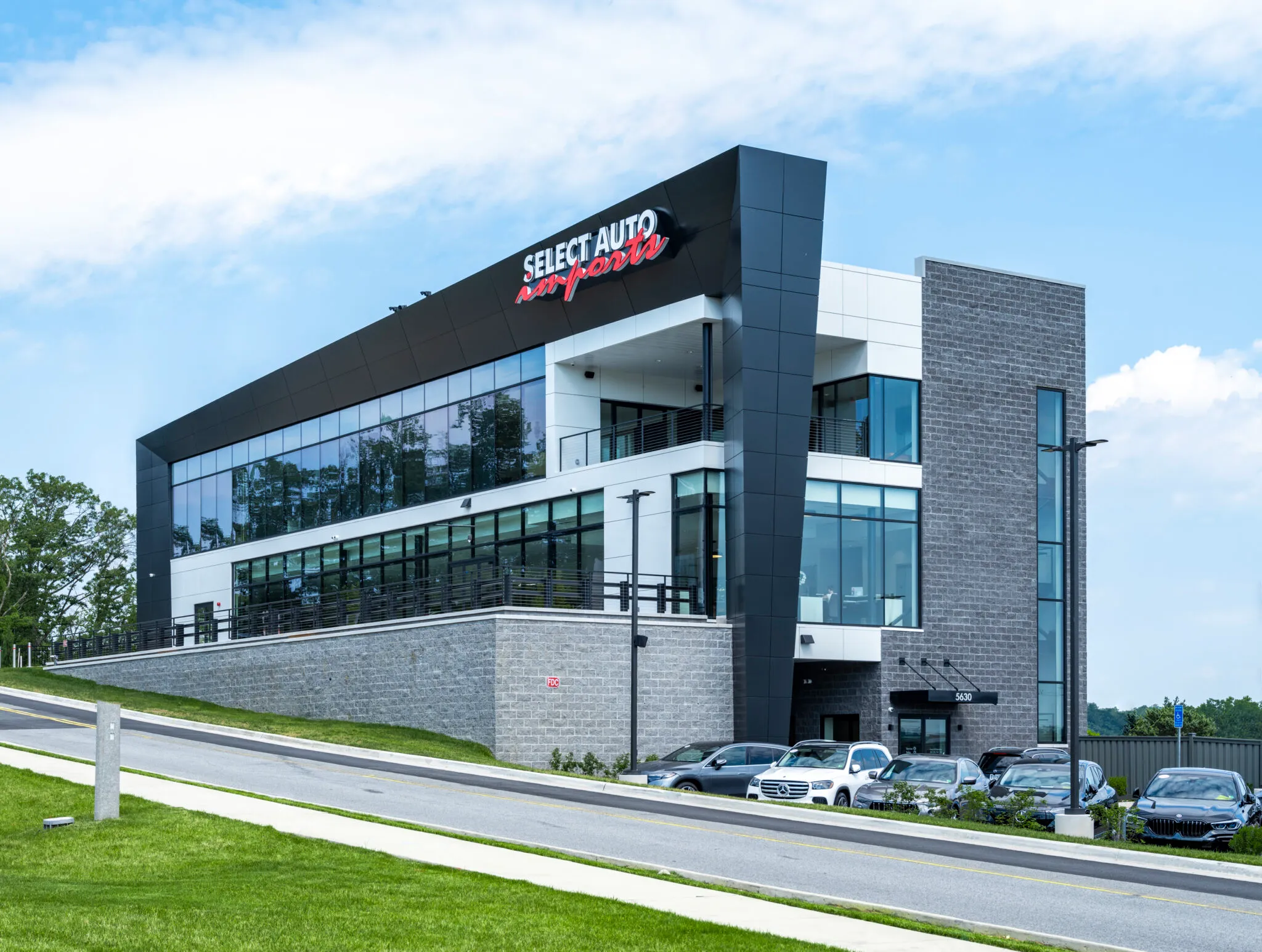
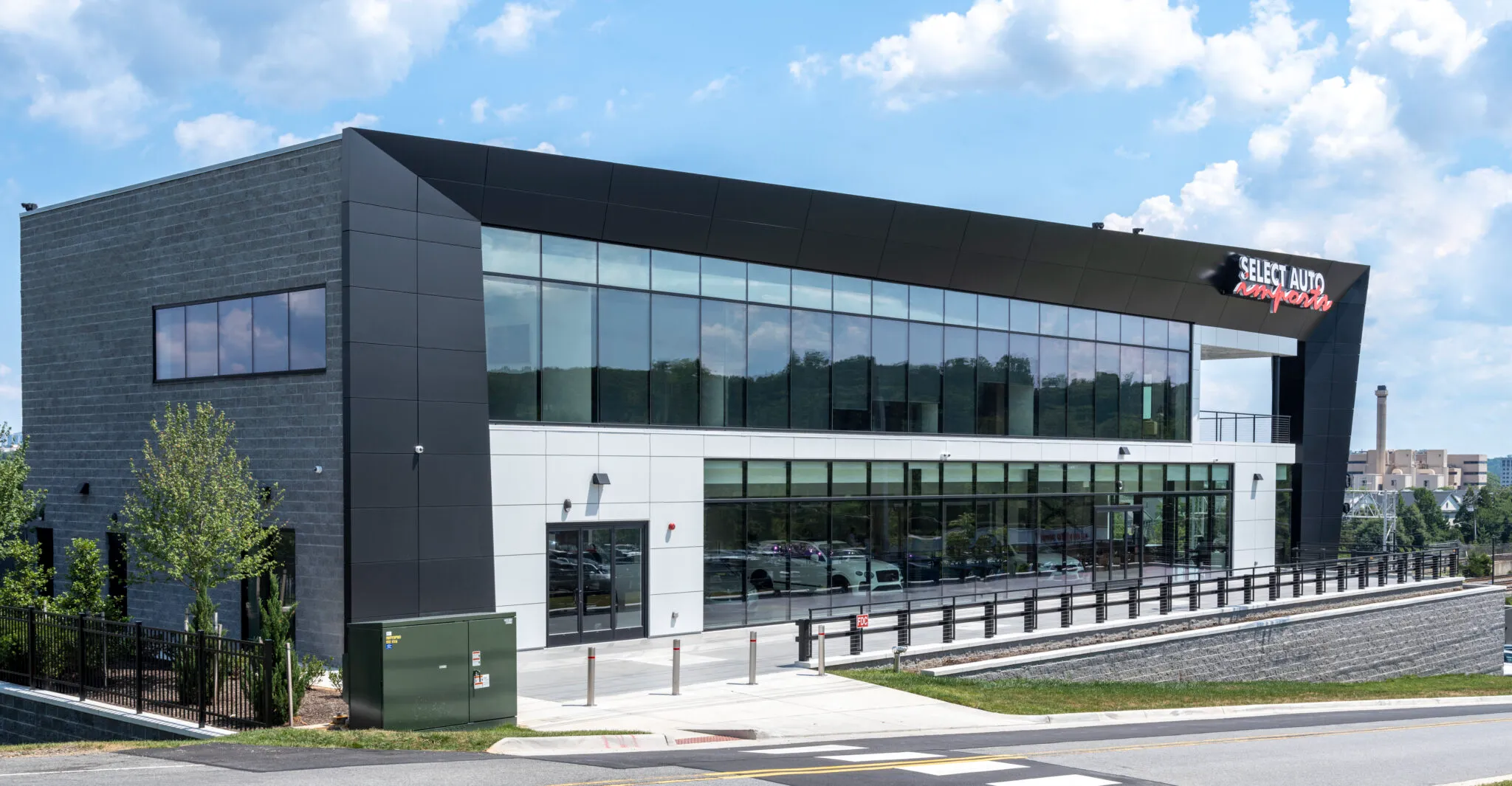
Penney Design Group is proud to showcase Select Auto Imports in Alexandria, Virginia—a striking, three-story, 17,000-square-foot automotive sales and service facility that redefines the customer experience in the luxury pre-owned auto market.

select auto imports 1

Turning Constraints into Opportunities

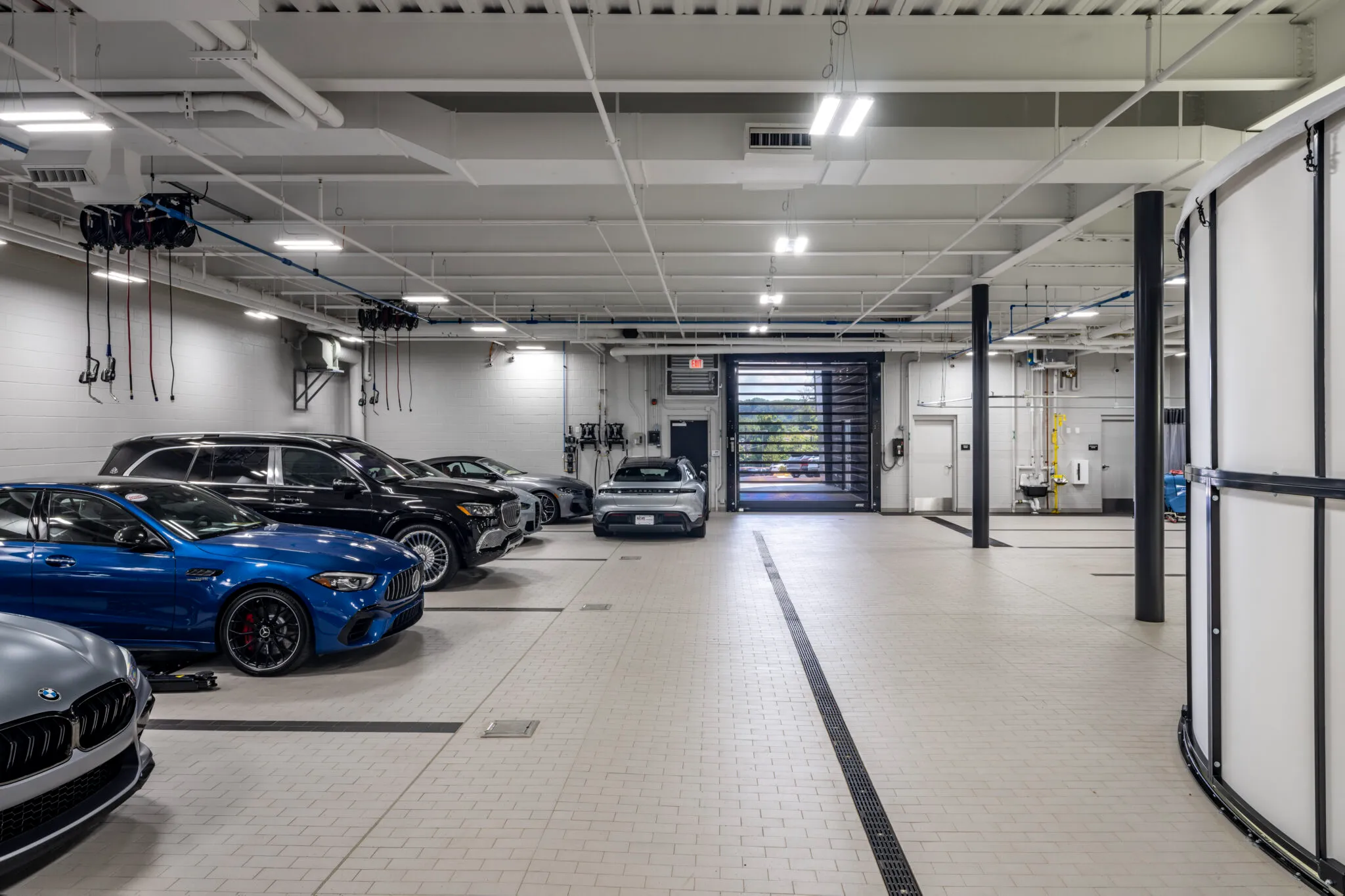
The project’s narrow, irregular site along Richmond Highway required a high degree of ingenuity in both design and construction. Bordered by commercial neighbors and shaped by zoning and access limitations, the lot demanded a compact but impactful footprint. Our design team transformed these constraints into opportunities, employing a vertical stacking strategy to consolidate showroom, office, and service functions within a cohesive architectural envelope.

Vehicle access and circulation were carefully choreographed to ensure seamless movement on the tight site, while pedestrian access was emphasized through a prominent entry plaza and refined urban frontage. Structural creativity played a major role: the stairwell, for instance, features expressive interior cross-bracing that doubles as both a seismic element and a bold architectural feature.

A Thoughtful Approach to Environmental Design

While not formally certified, Select Auto Imports reflects several principles of sustainable design. First and foremost, the project revitalizes a previously developed urban site—leveraging existing infrastructure rather than consuming undisturbed land. This commitment to adaptive site reuse supports a more sustainable growth model in Northern Virginia’s commercial corridor.

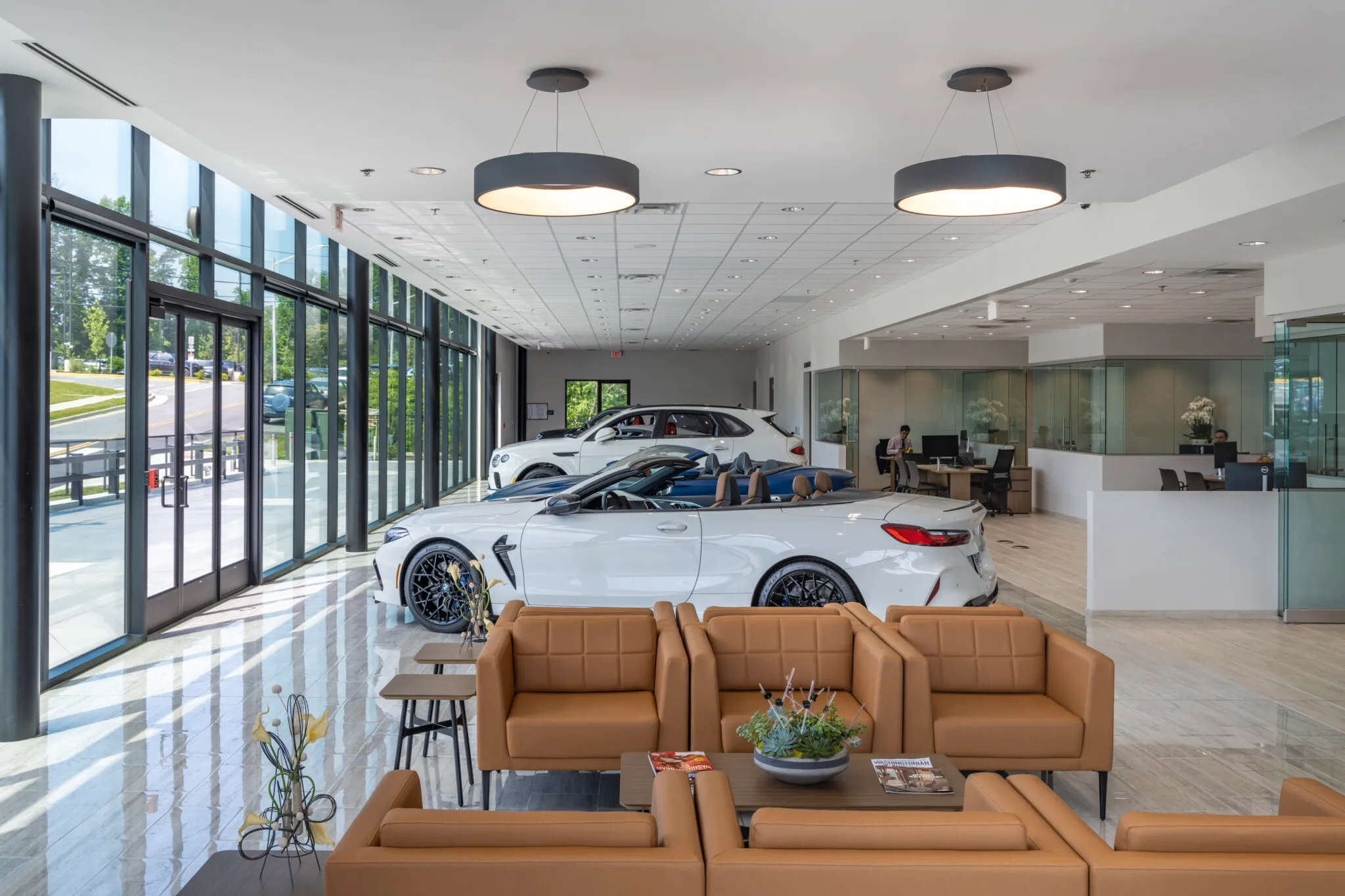
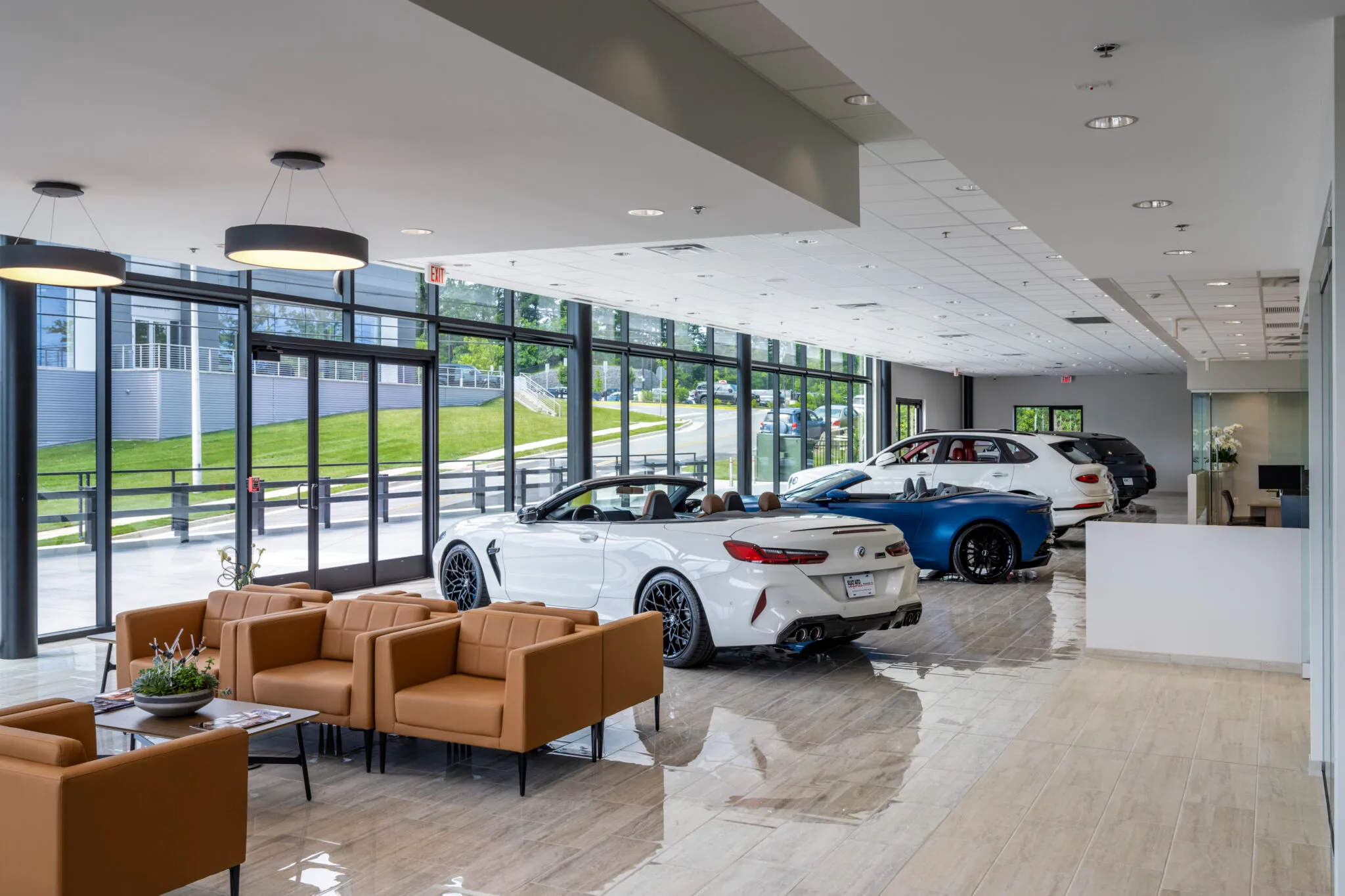
Natural daylighting was a key priority in the design. Expansive, high-performance glazing reduces the need for artificial lighting and enhances occupant well-being, while energy-efficient mechanical systems and LED lighting reduce the facility’s environmental footprint. Materials were selected not only for durability and aesthetics but also for their low-maintenance and long-life-cycle characteristics—minimizing waste over time.

Stormwater management strategies were also considered in the site design, with careful grading and drainage integrated to meet local environmental requirements and reduce runoff impacts.

select auto imports 5

Form, Façade, and First Impressions

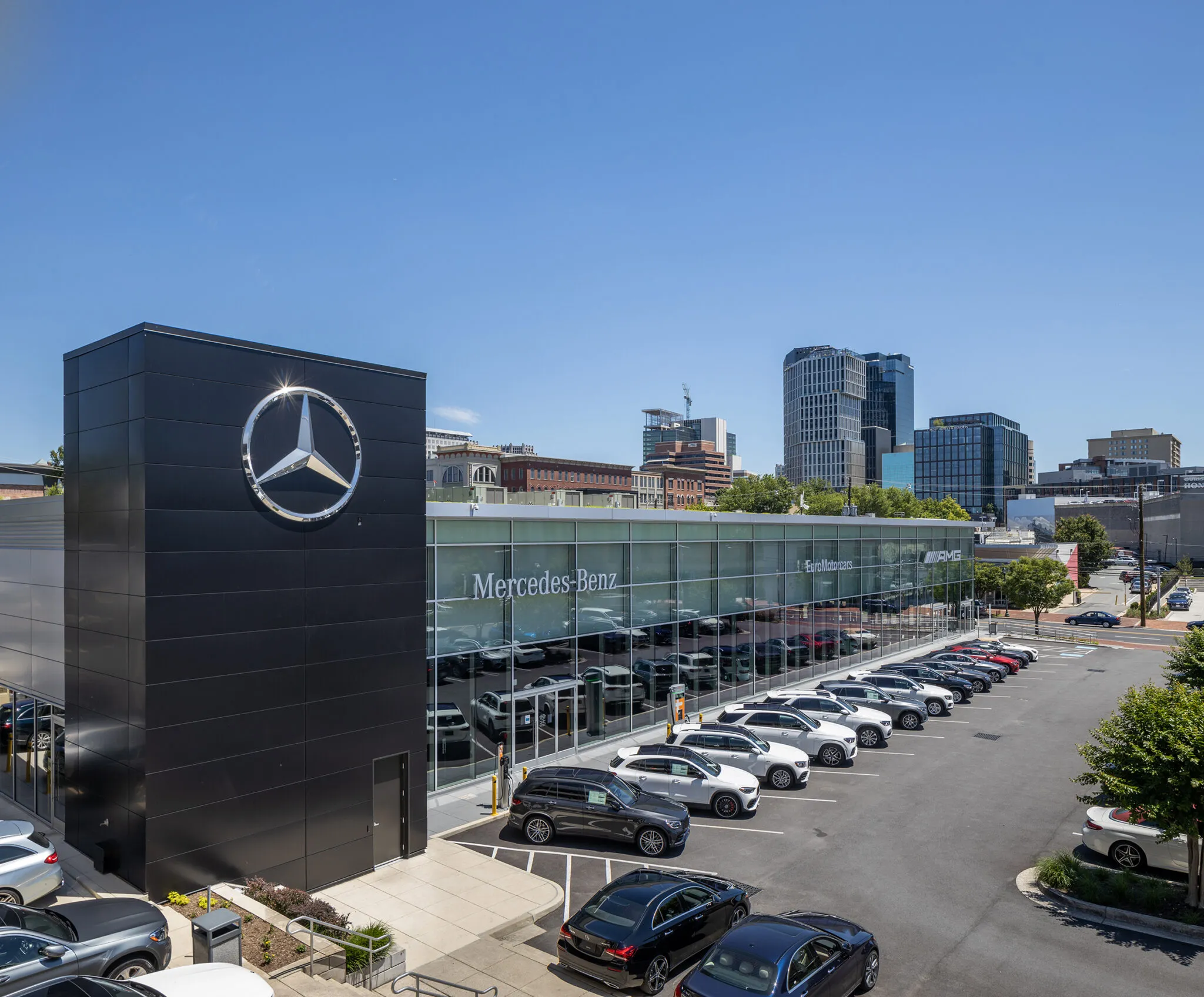
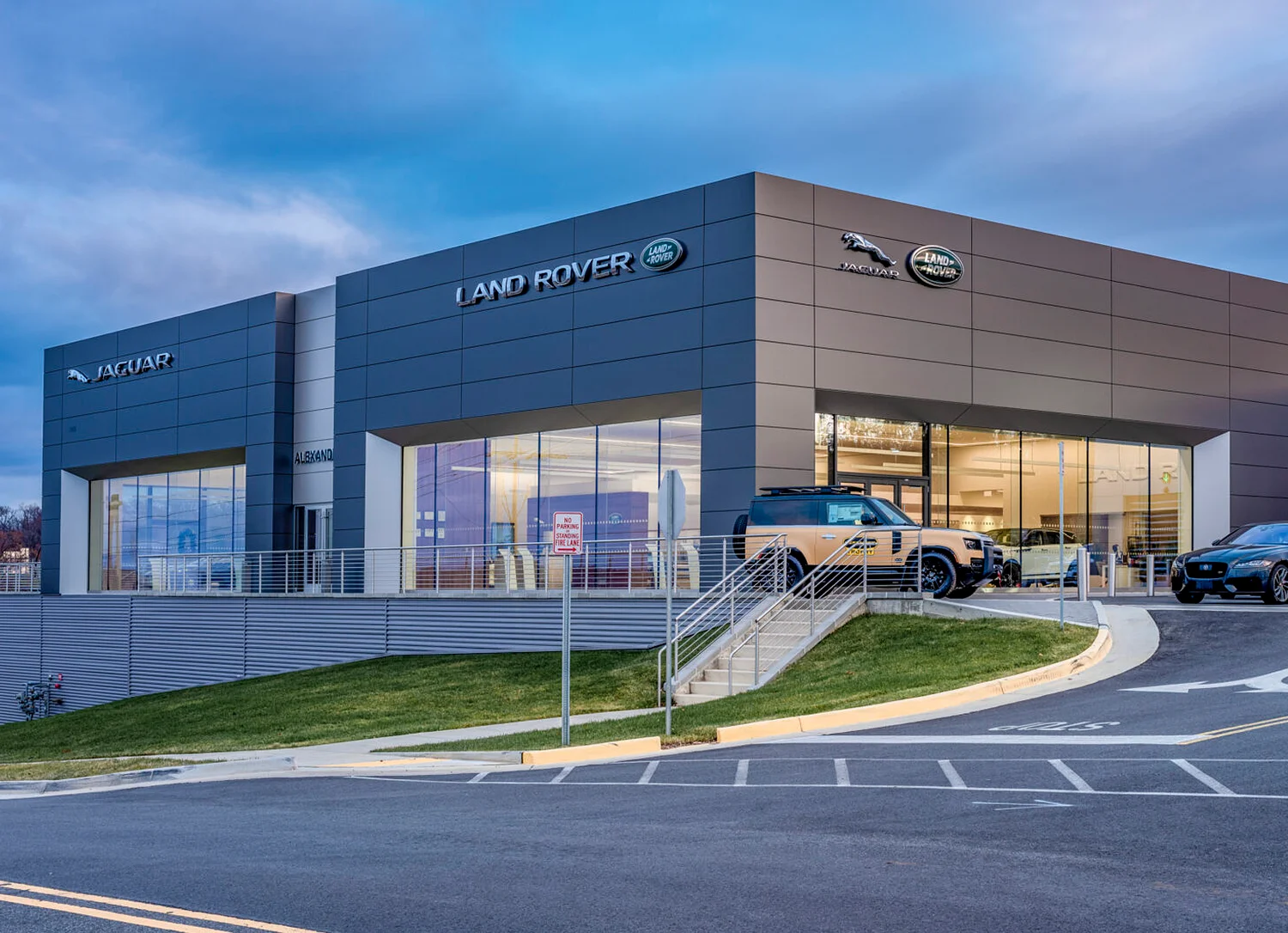
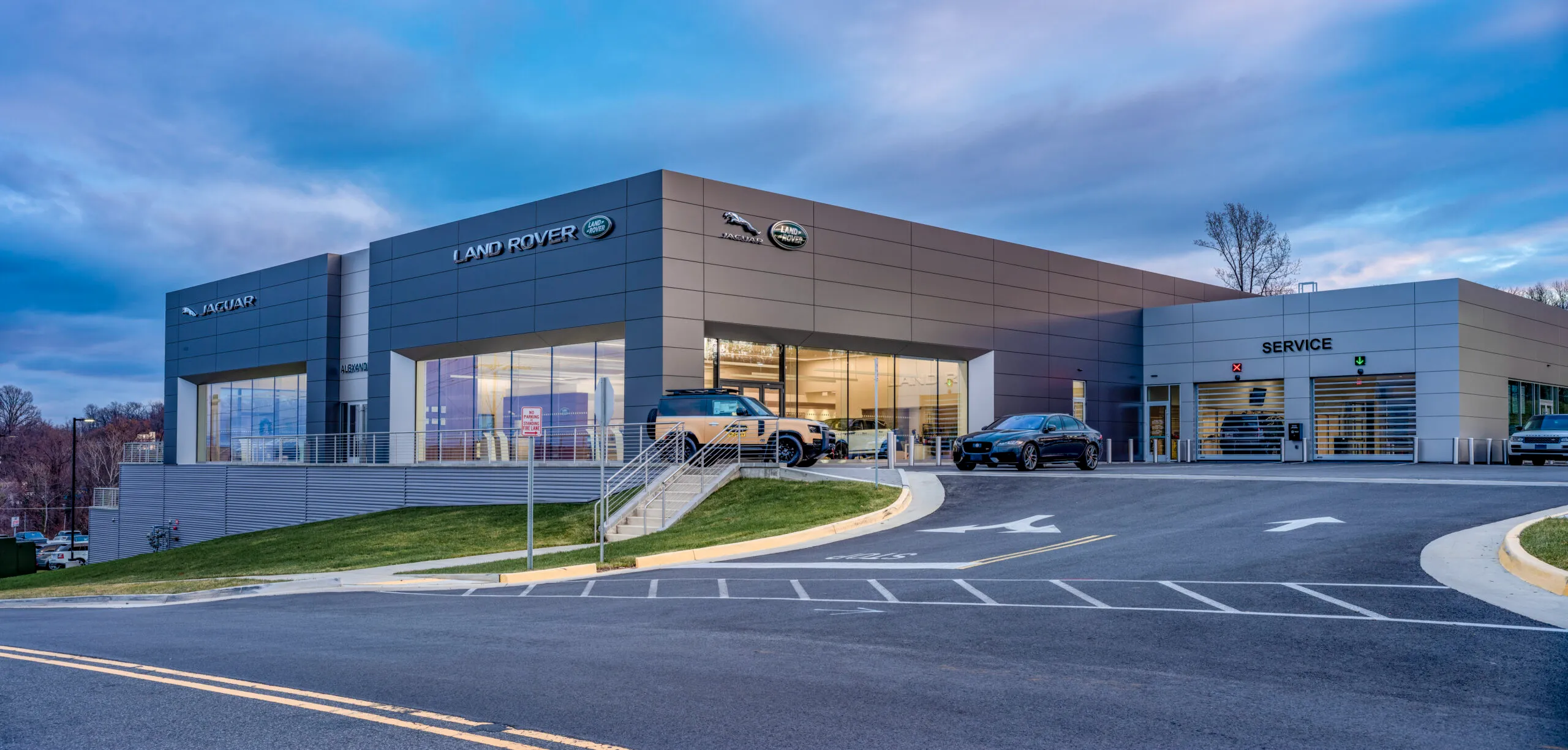
The building’s exterior is a modern composition of clean lines, contrasting textures, and bold geometry. The sleek façade combines smooth architectural panels, high-performance glazing, and metal screening to create an identity that is both elegant and assertive. The black and silver palette offers a restrained sophistication, allowing the luxury vehicles inside to take center stage while still projecting a strong visual presence from the street.

At the entry, a tall vertical glass volume announces the main stair tower, becoming a beacon from Richmond Highway and inviting guests into the space. The form is dynamic yet composed—featuring subtle cantilevers, layered masses, and crisp detailing that express the precision and performance values of the dealership brand.

select auto imports 4

Elevated Interiors with Purpose

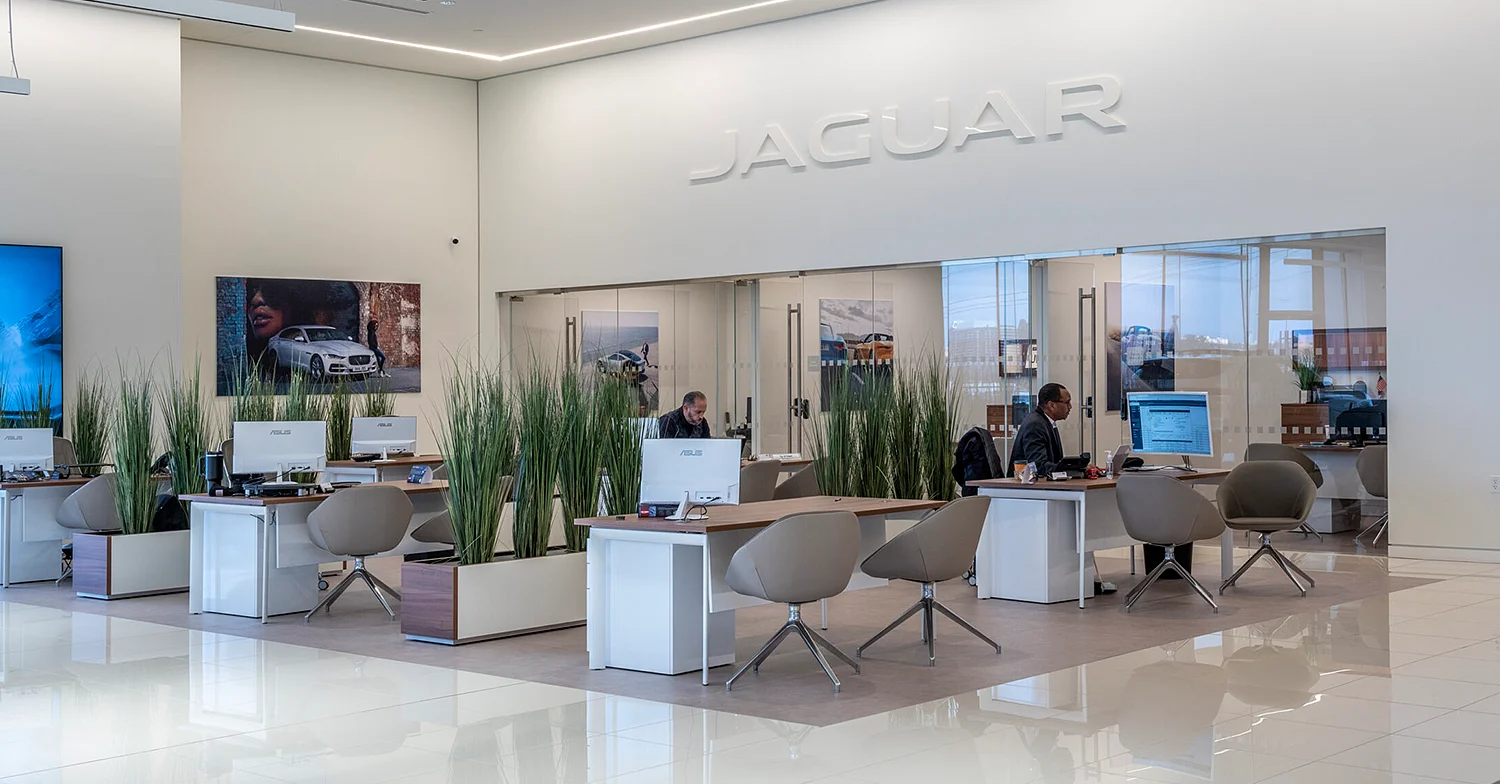
The refined materiality of the exterior continues inside. Expansive glazing, contemporary surfaces, and a light-filled interior palette create a welcoming environment that mirrors the quality of the vehicles on display. Glass-front sales offices provide openness and transparency, while warm woods and textured finishes add richness and contrast.

One standout element is the “coffee stop” area, clad in a textured black wave tile that introduces a tactile moment of hospitality within the retail space. It’s one of several thoughtful design gestures aimed at enhancing the customer experience.

The restroom finishes deserve special mention. Clean-lined contemporary tilework and full-height doors offer a level of privacy and elegance more commonly found in hospitality settings—a trend we hope to see adopted more broadly across the auto dealership sector.

select auto imports 3

Crafted in Collaboration

To complete the interiors, we teamed with Global Commercial Furnishings—a national leader in commercial-grade furniture, custom millwork, and Cambria quartz surfaces. Their craftsmanship and materials expertise were integral in translating our design vision into a cohesive, elevated customer environment. From custom sales desks to built-in cabinetry and reception pieces, every detail was carefully curated for both form and function.

We also worked closely with a talented team of engineers to support the technical execution of the project. The civil engineer was Tri-Tek Engineering Inc., the structural engineer was Tarantino Engineering Consultants, and the MEP engineer was Integrated Design Consultants.

select auto imports 2

A Dealership That Reflects the Brand

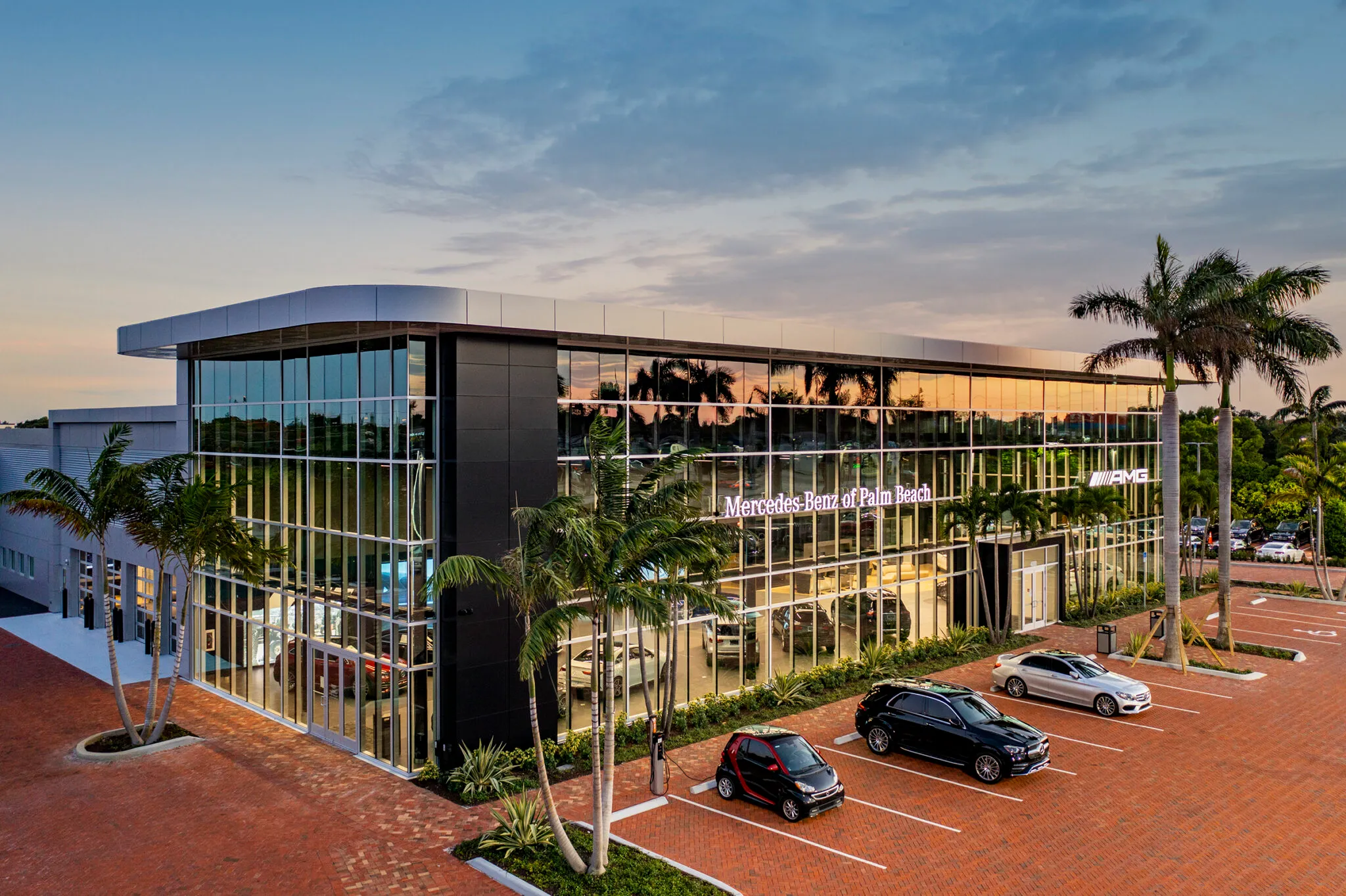
More than just a sales floor, Select Auto Imports is a brand-forward environment that communicates trust, sophistication, and quality. The building’s architectural language—clean, modern, and confident—acts as a quiet but impactful backdrop to the high-performance vehicles it houses. The result is a dealership experience that feels less transactional and more curated, aligning with the expectations of today’s luxury buyer.

Sustainability in Automotive Architecture: Trends & Best Practices

A Shift in the Industry

For years, the automotive industry has focused on innovation—smarter engines, sleeker designs, and most recently, a push toward electric vehicles. But there’s another transformation underway, and it’s happening in the buildings that sell and service these cars. Dealership architecture is going green. Not just with flashy buzzwords, but through meaningful design decisions that help reduce environmental impact and support long-term efficiency. At Penney Design Group, we’ve embraced this shift and continue to shape spaces that align with a more sustainable future.

jlr alexandria 4

Choosing the Right Materials

Sustainable design starts with smart material choices. Today’s dealerships don’t have to rely on high-impact construction elements to make a statement. Instead, we’re seeing growing interest in using recycled metals, low-VOC paints, reclaimed wood, and durable finishes that reduce the need for frequent replacement.

Green roofing systems, translucent panels for natural daylighting, and advanced insulation methods are becoming more common in our projects, helping to lower energy demand while enhancing the overall aesthetic. These aren’t just “nice-to-have” features—they’re practical investments that pay off over time.

sustainability in automotive architecture 1sustainability in automotive architecture 1

Energy Efficiency that Performs

A major focus of sustainable architecture is energy performance. In our dealership designs, this shows up in everything from HVAC systems to lighting layouts. We design spaces that make the most of natural ventilation and daylight, reducing the need for constant mechanical cooling and artificial light. LED lighting systems are carefully placed to maximize coverage while using as little power as possible.

We also work with engineers to specify high-efficiency HVAC systems that can adapt to different seasons and usage patterns. The result is a dealership that works smarter, uses less energy, and lowers operational costs for the owner.

The Site Matters Too

Sustainability doesn’t stop at the walls of a building. It starts at the site. When we plan a dealership, we look at the bigger picture—how stormwater moves, where sunlight hits, and how vehicle traffic flows in and out. Proper grading and permeable paving help reduce runoff and improve groundwater recharge. Landscaping with native plants cuts down on water use and maintenance.

Thoughtful orientation of the building can make a huge difference in how efficiently it handles heat and light. These early planning decisions are crucial and often determine how well the entire project will perform over time.

sustainability in automotive architecture 2

Designing for What’s Ahead

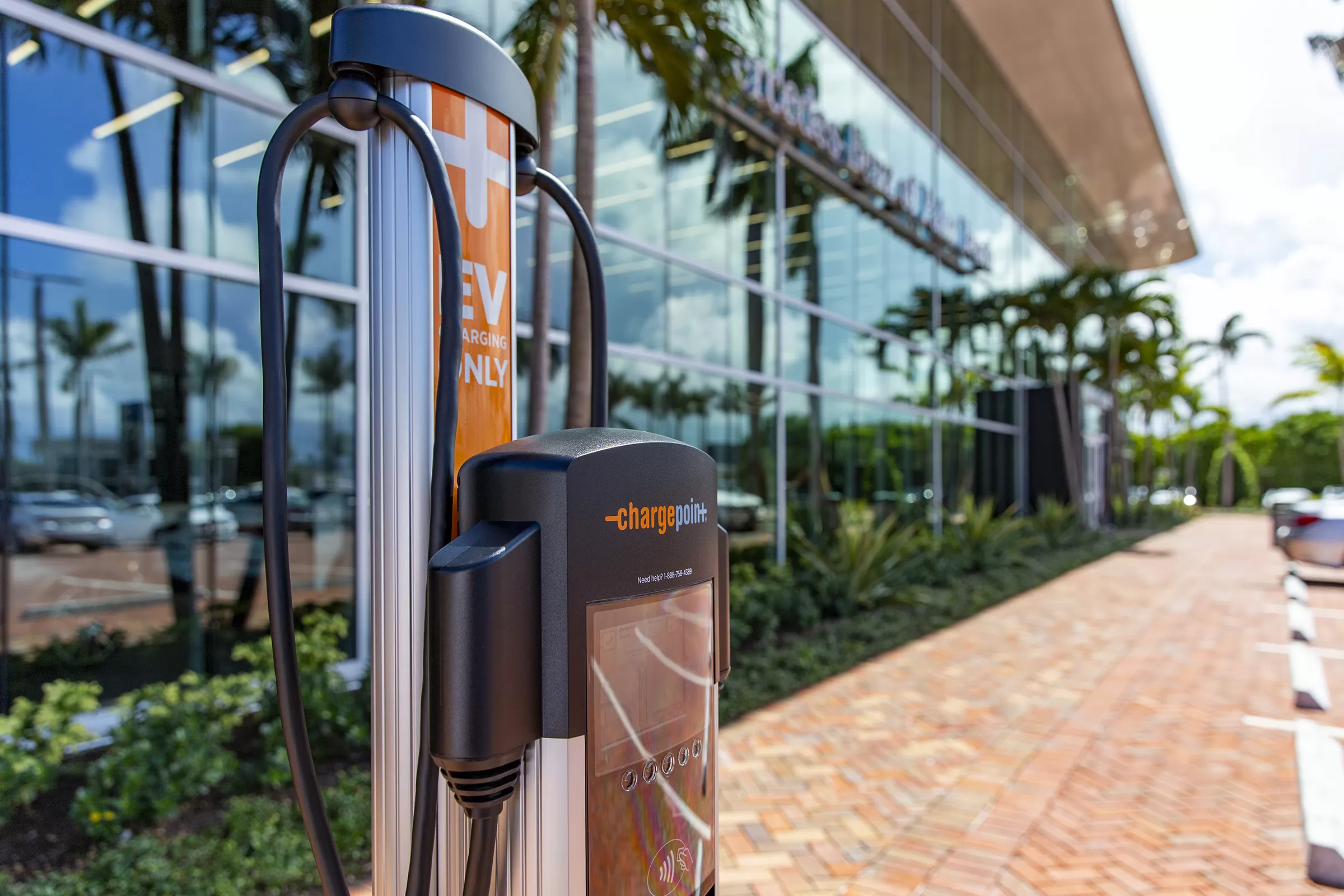
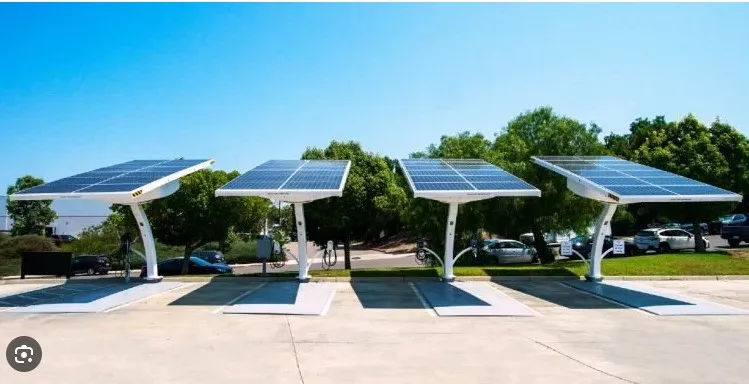
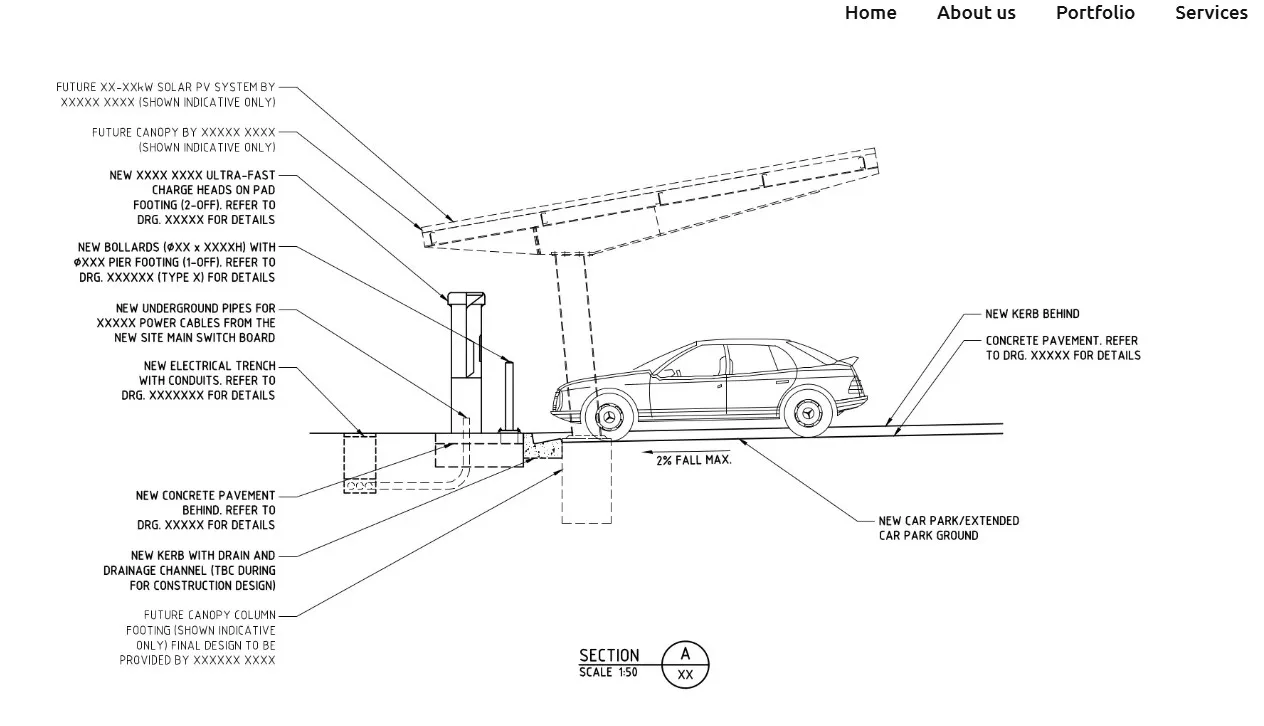
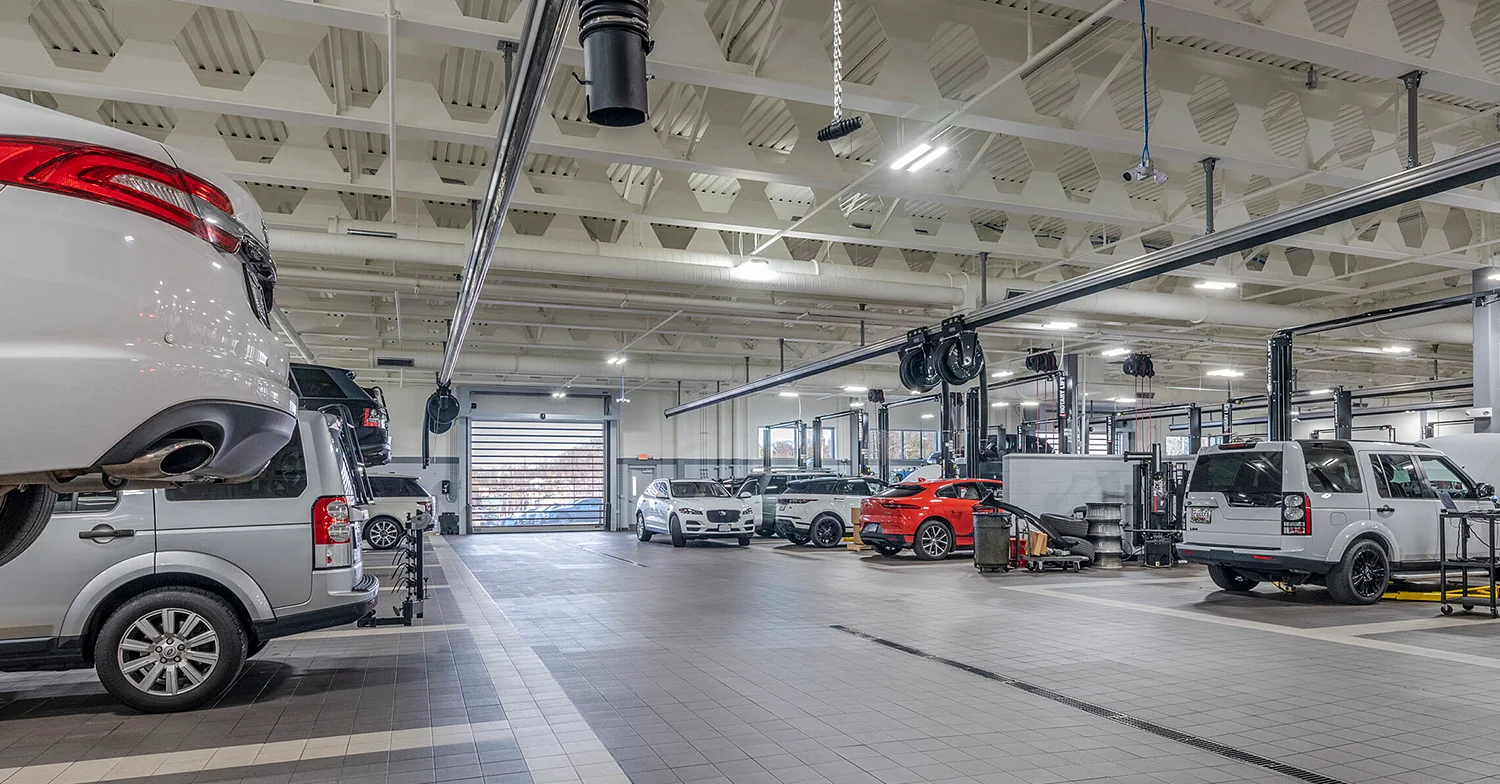
The dealerships of today need to be ready for tomorrow. That’s why our sustainable strategies also consider future growth and adaptability. We design service areas that can accommodate electric vehicle infrastructure. We plan mechanical rooms that allow for upgrades down the line. And we create flexible showroom spaces that can be reconfigured as brands and customer experiences evolve.

Sustainability isn’t just about reducing carbon footprints—it’s also about designing smarter spaces that can adapt to change without needing to be torn down or rebuilt.

Our Commitment

At Penney Design Group, we don’t treat sustainability as a separate checklist—it’s part of our process. Whether we’re designing a luxury flagship dealership or a family-run service center, we’re always looking for ways to make it more efficient, more resilient, and more responsible.

We believe the best buildings are the ones that stand the test of time—architecturally, functionally, and environmentally.