

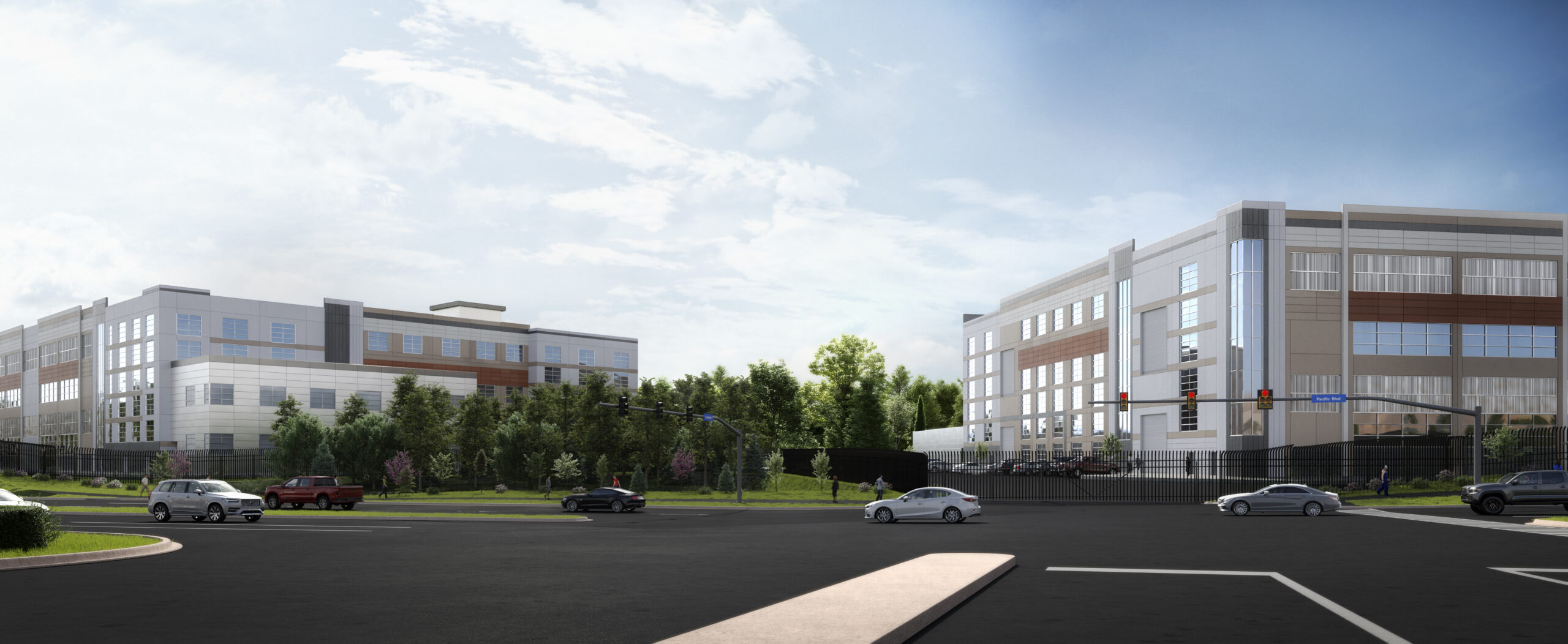
Most people don’t think about data centers until they hear that one may be built nearby.
Yet these facilities already support nearly every part of modern life; email, banking, health records, emergency services, and the rapidly expanding world of AI. According to the Urban Land Institute, data centers now function as essential infrastructure, much like power or water systems, and they require thoughtful planning so that they serve both global digital needs and the local communities that host them.
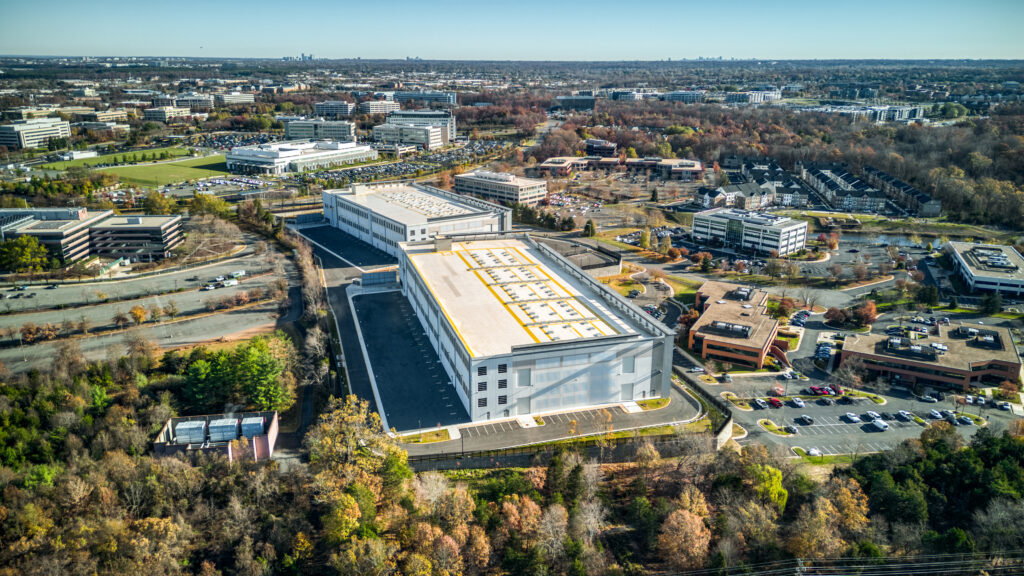
Because they are so critical, the way they are designed and the way they integrate into their surroundings matters. At Penney Design Group, we focus on ensuring that data centers operate reliably while also being responsible, quiet, visually respectful neighbors. Noise is often the first community concern, but modern facilities are engineered to minimize it. Emergency generators run only briefly for monthly testing and remain otherwise off, cooled by sound-attenuated enclosures. Mechanical equipment is screened and strategically placed to reduce its acoustic presence, and entire campuses are planned so that sound-producing elements sit far from residential edges. These strategies are not exceptions but standard practice informed by clear zoning and design guidelines.
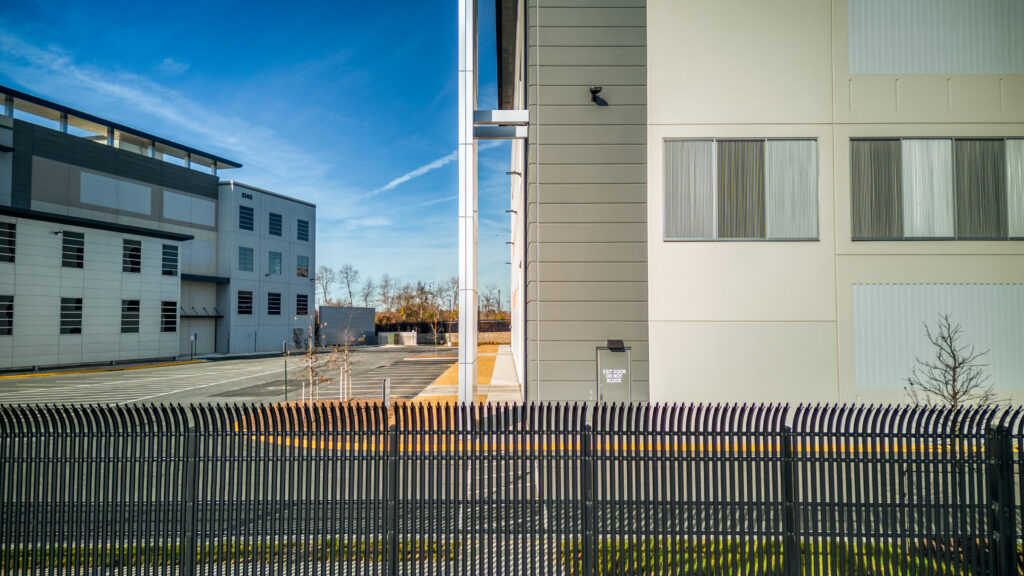
Appearance is another key consideration. Although data centers are technically complex industrial buildings, they do not need to look industrial. Landscape buffers, glass or articulated façades, and careful material selection help large buildings blend into their surroundings more effectively than most people expect. Equipment yards and substations are screened, and massing is broken down to make the campus feel less imposing. With thoughtful architectural choices, even hyperscale facilities can fit comfortably within the character of a community.
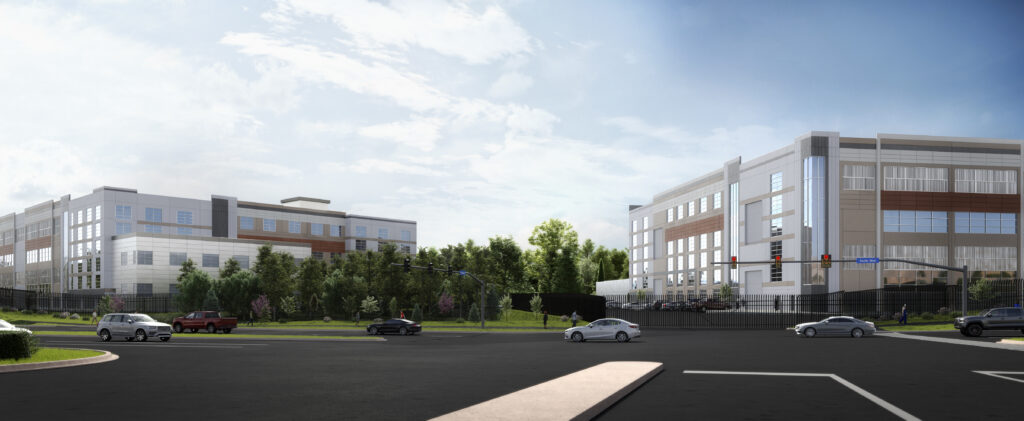
Traffic concerns are also common, and the Urban Land Institute (ULI) wrote a report highlighting that misconceptions often stem from observing construction activity rather than long-term operations. Data centers generate very little daily traffic once they are up and running. There are no fleets of trucks moving in and out and no constant flow of deliveries. A small operations team manages the facility, reducing permanent impact on roads and local services. Construction, while more active, is phased and temporary, and architects help plan those phases in ways that minimize disruption.
Water and power use have become increasingly important community topics. Modern data centers are designed to be far more responsible in these areas than many people assume. When water is required for cooling, operators frequently use non-potable recycled water, known as “purple pipe” systems, so they do not draw from the municipal drinking supply. Many major operators also invest in local water treatment infrastructure and clean-energy development, which can accelerate grid modernization and bring additional benefits to the region. As the ULI report notes, federal and state regulations prevent new large-load users from reducing grid reliability for existing customers, and hyperscalers’ renewable-energy commitments often push utilities toward greener solutions that benefit communities.
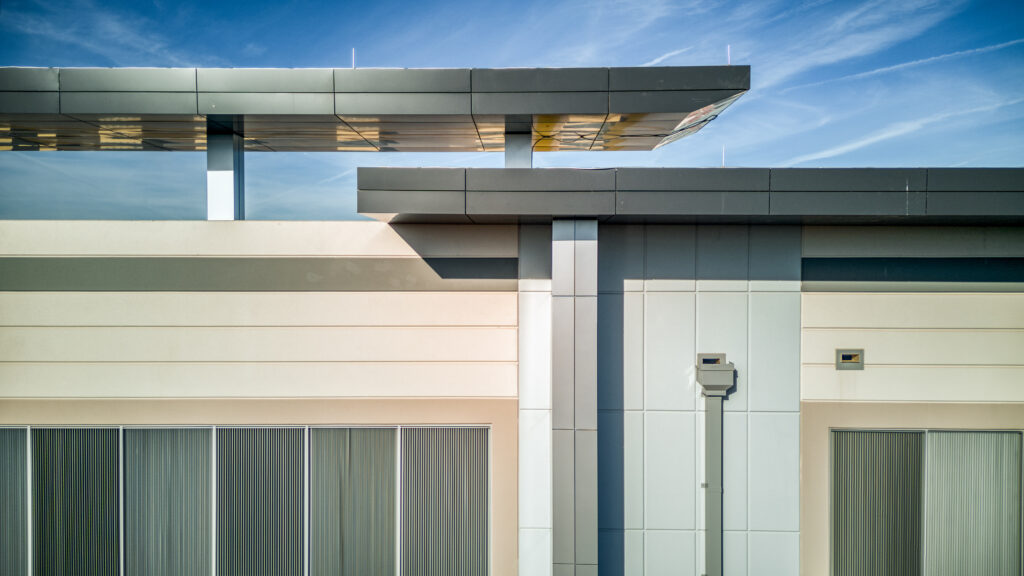
Finally, zoning and design transparency play an essential role in making data centers ommunity-friendly. Clear guidelines on building height, setbacks, screening, and sound management ensure predictable, consistent outcomes. PDG works closely with municipalities to interpret and apply the best practices highlighted in the ULI’s model zoning recommendations, ensuring that facilities meet technical needs while aligning with community expectations.
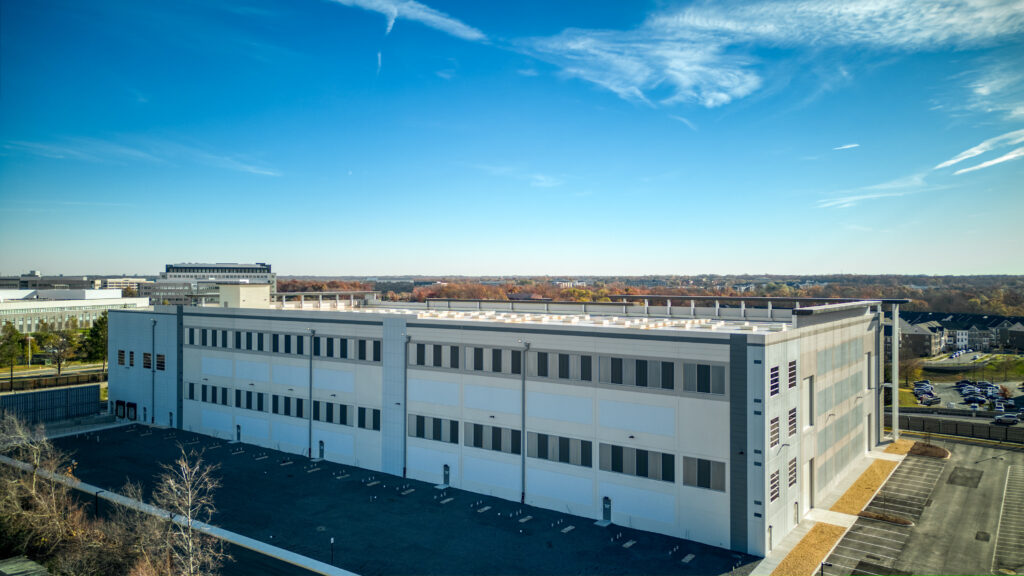
When designed thoughtfully, data centers strengthen local economies, support national digital infrastructure, and integrate respectfully into the places people call home. Architecture plays a central role in balancing these objectives, reducing impacts, improving aesthetics, and ensuring that these essential buildings remain both high-performing and good neighbors.
Reference:
Urban Land Institute Local Guidelines for Data Center Development